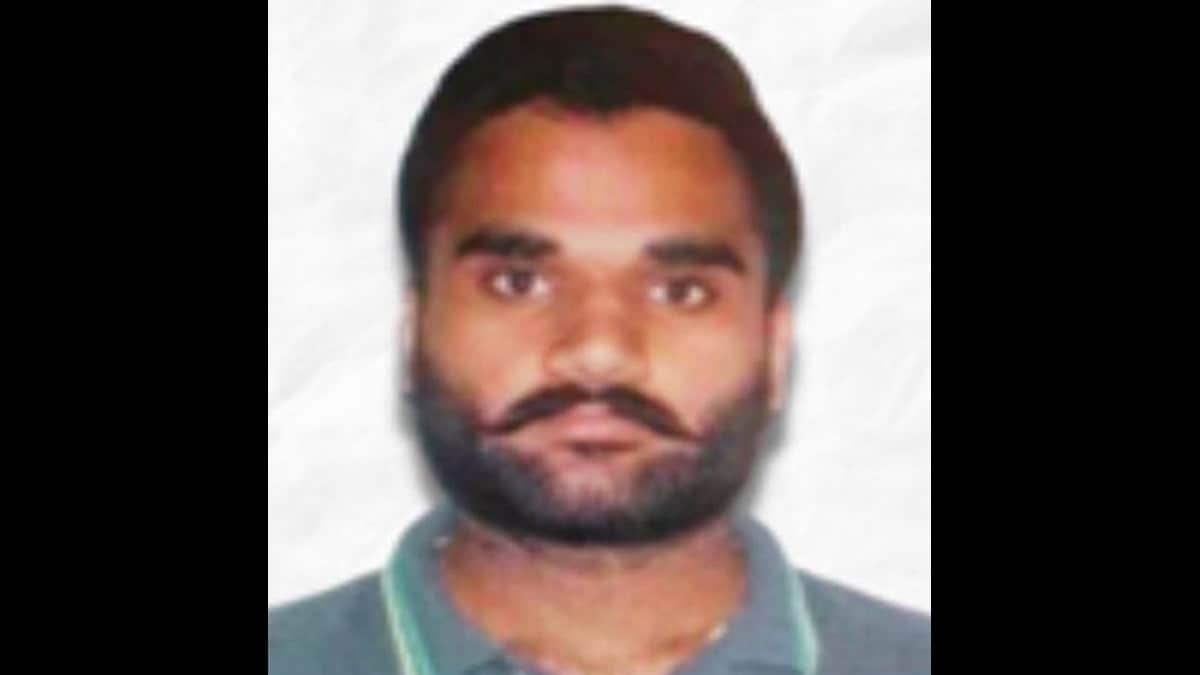
The headlines treat every leaked phone call, every crackling audio clip, and every anonymous intelligence briefing like a season finale of a geopolitical thriller. The lazy consensus dominating the media coverage around Goldy Brar allegedly admitting a role in the Hardeep Singh Nijjar murder is simple: look at the dramatic confession, track the transnational syndicates, and treat underground violence as a series of isolated mob hits driven by personal vendettas.
That framing is pure comfort food for lazy cable news segments. It is also dangerously wrong.
If you think this saga is merely about a gang leader claiming credit for a hit across international borders, you are staring at the finger while ignoring the entire constellation. I have spent years tracking how illicit underground networks intersect with statecraft, and let me tell you something nobody in the mainstream wants to say out loud. Gangs like the one Brar operates do not exist in a vacuum of pure criminality. They function as outsourced, deniable assets in a much larger, grim market of geopolitical friction.
Focusing on who said what in a leaked voice note is like analyzing the paint chips on a sinking ship while ignoring the iceberg dead ahead.
The Myth of the Independent Cartel
The prevailing narrative treats transnational criminal syndicates operating out of Punjab and North America as mafia syndicates chasing traditional protection money and drug turf. That model died twenty years ago.
Modern gangs operating across international borders do not survive on local extortion alone. They plug directly into ideological networks, foreign intelligence proxies, and diaspora grievances. When a high-profile target like Nijjar is eliminated outside a place of worship in Surrey, British Columbia, the public gets whipped into a frenzy over intelligence failures and diplomatic expulsions between Canada and India. Diplomats huff, ambassadors get sent packing, and talking heads debate the sanctity of sovereignty.
Meanwhile, the actual mechanics get ignored.
The audio leaks function as psychological operations. They are deliberately dropped to achieve specific goals: stoking fear within rival diaspora factions, cementing turf dominance thousands of miles away, and forcing law enforcement agencies into reactive loops. Brar claiming responsibility in a recording isn't just a gangster boasting to his lieutenants. It is a calculated signal designed to maintain terror equity.
When you look at transnational crime through the lens of a classic 1980s drug movie, you miss the structural reality. These networks operate with corporate efficiency, leveraging encrypted comms, hawala money laundering channels, and decentralized cells that make traditional policing look like it is fighting a digital war with a cavalry saber.
The Intelligence Failure Nobody Admits
Let us talk about the uncomfortable truth regarding Western intelligence agencies. For years, agencies like the Royal Canadian Mounted Police and CSIS treated diaspora-linked gang violence as a domestic policing issue. They wrote it off as petty turf wars between Punjabi youth gangs over extortion money and local drug lines.
That bureaucratic blindness allowed transnational syndicates to scale into global proxy forces.
When investigators finally realized that local extortion rackets were funding overseas operations and weaponized political extremism, it was too late. The syndicates had already built deep roots inside local communities, using the very legitimate grievances of diaspora politics as camouflage for underworld logistics.
I have watched investigators spend millions chasing low-level foot soldiers while the architects of these networks sip tea in jurisdictions with zero extradition treaties. The system is built for a different century. It relies on bilateral treaties, mutual legal assistance requests, and slow-moving diplomatic channels that move at the speed of a glacier while modern syndicates operate at the speed of fiber optics.
Dismantling the Sovereignty Panic
Every time a cross-border assassination hits the news cycle, pundits scream about the collapse of international law and the violation of sovereign borders.
Wake up. Sovereignty has always been porous when states decide to outsource their dirty work.
The idea that borders insulate a nation-state from the consequences of regional conflicts thousands of miles away is a comforting illusion that died the moment globalization hitched local diaspora politics to instant digital communication. When political movements fracture and radicalize, they create vacuum spaces. Underground actors rush into those vacuums to provide services: protection, intimidation, and kinetic elimination.
Blaming a single gang leader or a specific leaked audio clip lets the broader security apparatus off the hook. It provides a neat, tidy villain to put on a WANTED poster while the underlying systemic rot continues unchecked. As long as diaspora communities remain vulnerable to foreign manipulation and domestic neglect, the Brars of the world will never run out of contracts.
Stop looking for closure in a leaked audio file. There is no neat resolution coming, no dramatic courtroom trial that will wrap this up with a tidy bow. The underground economy of transnational violence feeds on our collective refusal to look at the structural mechanics driving it.
Quit waiting for the next leak to tell you how to feel. Pay attention to the supply chains, the financial flows, and the institutional cowardice that let these networks thrive in plain sight.