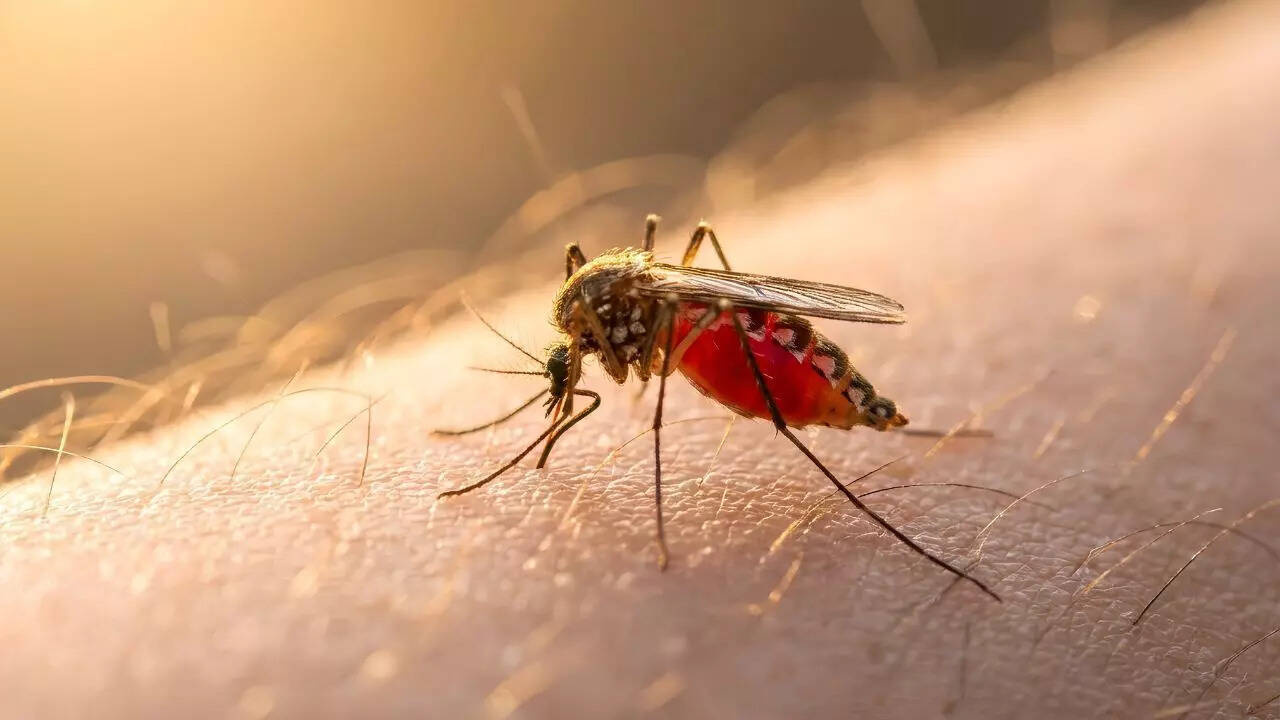
You’re sitting at a backyard barbecue, enjoying a cold drink, when it happens. That high-pitched whine near your ear. Within minutes, you’re covered in itchy red welts while your friend sitting two feet away hasn't been touched. It feels personal. It feels like a conspiracy. Honestly, it kind of is.
Mosquitoes aren’t democratic. They’re highly selective hunters using a sophisticated array of chemical sensors to find the "best" meal in a crowd. If you’re the one getting eaten alive, your body is essentially broadcasting a high-definition signal that screams "buffet." It isn’t just about "sweet blood" or whatever myth your grandmother told you. It's a complex cocktail of genetics, skin chemistry, and even the tiny organisms living on your pores.
Scientists have spent decades trying to figure out why roughly 20% of the population is a mosquito magnet. The answers they’ve found are a mix of things you can change and things you’re stuck with until your next life.
The Carbon Dioxide Signal
Every time you exhale, you’re sending out a trail of breadcrumbs. Mosquitoes use an organ called a maxillary palp to detect carbon dioxide from up to 150 feet away. This is their long-range radar.
If you have a higher metabolic rate, you produce more CO2. This is why adults get bitten more than children and why larger people are often bigger targets. It’s also why exercise makes you a prime mark. You’re breathing harder and pumping out more gas. You can’t stop breathing, obviously, but understanding that your breath is a literal homing beacon is the first step in realizing why you can't hide.
Skin Chemistry and the Acid Factor
Once a mosquito gets close, it switches from gas detection to thermal and chemical sensors. This is where things get specific. Your skin produces a variety of chemicals as part of its natural barrier, but some are more attractive than others.
Research from Rockefeller University recently highlighted that "high attractors" produce significantly higher levels of carboxylic acids on their skin. These acids are part of your natural sebum—the oily layer that keeps your skin hydrated. You can’t just wash them off; they’re produced by your sebaceous glands and processed by the bacteria living on you. If your skin chemistry leans toward high levels of these acids, you’re basically wearing a perfume that mosquitoes find irresistible.
Lactic acid is another big one. When you work out, your body produces lactic acid that's secreted through sweat. Combine that with the increased body heat from physical exertion, and you’ve created the perfect storm for a mosquito strike.
The Microbiome on Your Skin
We like to think of our skin as a clean surface, but it’s actually a thriving ecosystem. Thousands of species of bacteria live on us. Interestingly, having a diverse range of bacteria might actually protect you.
Studies show that people with a highly diverse skin microbiome tend to be less attractive to mosquitoes. It seems that certain bacteria produce odors that act as natural repellents or mask the "tasty" smells other bacteria create. Conversely, if you have large populations of a few specific types of microbes—like Staphylococcus—you’re much more likely to be the favorite target.
Why Beer Makes It Worse
It sounds like a joke, but it's backed by data. Drinking just one 12-ounce beer significantly increases mosquito attraction.
Scientists aren't 100% sure why this happens. It doesn't seem to be linked to an increase in ethanol in sweat or a rise in body temperature. One theory is that the chemical shift in your skin's scent after consuming alcohol triggers a predatory response in the insects. If you're wondering why you’re getting bit at the brewery patio, the IPA in your hand is a contributing factor.
Blood Type Myths and Realities
You’ve probably heard that Type O blood is a mosquito favorite. There’s actually some truth to this, though it’s often overstated. A famous study in the Journal of Medical Entomology found that mosquitoes landed on Type O individuals nearly twice as often as those with Type A.
Type B falls somewhere in the middle. Most people secrete a chemical signal through their skin that reveals their blood type. About 80% of us are "secretors," and if you’re a Type O secretor, you’re statistically at a disadvantage in the woods.
The Clothes You Wear
Mosquitoes use vision in the final stages of the hunt. They’re drawn to high-contrast colors and dark shades. Wearing black, navy blue, or deep red makes you stand out against the horizon, especially in the low light of dusk when many species are most active. If you want to blend in, stick to lighter, neutral colors like khaki, white, or light grey. It’s a simple fix that actually works.
Pregnancy and the Double Target
Pregnant women get bitten roughly twice as much as non-pregnant women. This isn't a mystery of biology; it's physics. Pregnant women exhale about 21% more volume of breath, meaning more CO2 is hitting the air. Additionally, their body temperatures are slightly higher on average. For a mosquito, a pregnant woman is a larger, warmer, more "fragrant" target.
How to Actually Fight Back
Forget the citronella candles. They don't do much beyond smelling like a hardware store. If you want to stop the itching, you need to change your strategy based on how these insects actually function.
- Use a fan. Mosquitoes are weak fliers. Even a medium-sized oscillating fan on a porch can create enough turbulence to make it impossible for them to land. This is the most underrated and effective "natural" fix.
- Picaridin over DEET. DEET works, but it’s oily and smells terrible. Picaridin is a synthetic version of a compound found in pepper plants. It’s odorless, doesn't melt plastic, and is just as effective at blocking mosquito sensors.
- Time your outings. Most mosquitoes are crepuscular, meaning they peak at dawn and dusk. If you can stay inside during those two windows, you'll avoid the majority of bites.
- Eliminate standing water. This is basic but vital. A bottle cap full of water is enough for a mosquito to lay eggs. Check your gutters, your flowerpot saucers, and that old tire in the corner of the yard.
Don't bother with "ultrasonic" repellent apps or devices. They're a total scam. Multiple studies have proven they do absolutely nothing to deter mosquitoes. Stick to what science actually supports—blocking their senses or physically preventing them from reaching your skin.
Start by switching to light-colored clothing and setting up a high-powered fan for your next outdoor gathering. If you’re a Type O beer drinker who just finished a workout, you’re going to need all the help you can get.