Mount Kailash doesn't care about your travel bucket list. Rising over 6,400 meters into the thin, unforgiving air of southwestern Tibet, this isolated Himalayan peak commands a raw, intimidating presence. It is a place where breathtaking spiritual devotion collides with brutal geography. Recent catastrophic flash floods along the Nepal-Tibet border, which swept away hundreds of travelers and pilgrims preparing for the sacred Kailash Mansarovar Yatra, put a harsh spotlight on the immense dangers of this remote region.
If you think this is just another high-altitude trek, you're missing the entire point. Understanding why thousands risk everything to reach this mountain requires looking past the glossy tour brochures and confronting the reality of what Kailash actually demands.
The Axis Mundi of Four Religions
You won't find another mountain on Earth that holds simultaneous, high-stakes sacred value for four distinct belief systems. Hinduism, Buddhism, Jainism, and the indigenous Tibetan Bon tradition all claim Kailash as a foundational cornerstone of their spiritual cosmos.
Hindu tradition holds that Kailash is the eternal cosmic abode of Lord Shiva and his consort Parvati. For Buddhists, it represents the legendary Mount Meru, the physical and spiritual center of the universe. Jains revere the peak as Ashtapada, the site where their first spiritual teacher attained liberation. Meanwhile, Bon practitioners view the entire surrounding landscape as a stronghold of ancient spiritual energy tied to their founder, Tonpa Shenrab.
This convergence creates a heavy, palpable atmosphere. Pilgrims don't travel here for sightseeing. They arrive carrying a lifetime of spiritual weight, seeking penance, transformation, and a direct line to the divine.
The Reality of the Kora
Climbing Mount Kailash is strictly forbidden. Every major religion that holds the peak sacred agrees that setting foot on its actual slopes is an act of supreme desecration. Instead, pilgrims perform the kora—a grueling, 33-mile circumambulation around the base of the mountain.
The physical toll of this circuit is staggering. You start at high altitudes, and the trail forces you up over the treacherous Dolma-la Pass, sitting at an oxygen-starved 5,630 meters. Weather conditions change on a dime. You can step out under a clear blue sky in the morning and find yourself trapped in a blinding blizzard or a freezing downpour by afternoon.
Traditional pilgrims complete the circuit on foot over three grueling days, often prostrating themselves body-length along the dirt path for every single step. Hindus and Buddhists walk clockwise around the mountain, while Bon practitioners move counterclockwise. Both routes demand a level of physical endurance that breaks unprepared travelers.
The Fragile and Dangerous Gateway Through Nepal and Tibet
Reaching Kailash requires navigating some of the most volatile terrain on the planet. Most international travelers choose routes running through Kathmandu and up through Nepal's rugged Rasuwa district toward border checkpoints like Gyirong.
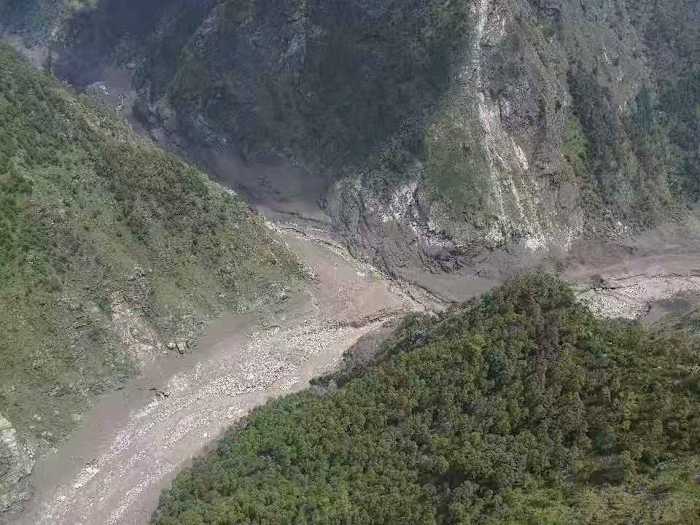
It's a logistics nightmare. The infrastructure relies heavily on mountain roads carved into unstable shale and steep river gorges. When heavy monsoon rains hit the Himalayas, these valleys transform into death traps. The recent disaster—triggered not by an earthquake, as initially feared, but by a massive glacial collapse and debris flow—sent walls of water crashing down the Bhote Koshi and Trishuli rivers. Entire stretches of highway, bridges, and immigration outposts vanished in minutes, trapping hundreds of tourists, locals, and pilgrims right at the threshold of their spiritual journey.
Climate instability in the Himalayas is rewriting the rules of travel here. Glacial lake outbursts and sudden flash floods are becoming harder to predict, turning classic pilgrimage corridors into high-risk zones where even experienced guides can get caught off guard.
How to Approach the Journey Today
Anyone planning a pilgrimage or high-altitude trek to this region needs a complete attitude adjustment. Romance will get you killed. Preparation and absolute respect for local authorities are the only things that keep you alive.
- Acclimatize properly: Never rush the ascent through Nepal or Tibet. Spend days at lower elevations in Kathmandu or intermediate towns to let your red blood cell count catch up before heading toward border staging areas.
- Monitor weather and geological warnings: Monsoon season brings extreme flash-flood risks to river corridors. Pay attention when local authorities issue alerts, and be ready to abort your itinerary immediately.
- Verify your operator: Use licensed, highly experienced adventure agencies that maintain reliable satellite communication links and have proven emergency evacuation protocols in place.
Mount Kailash demands humility. Respect its borders, respect the brutal weather systems of the high Himalayas, and understand that the mountain dictates the terms—always.