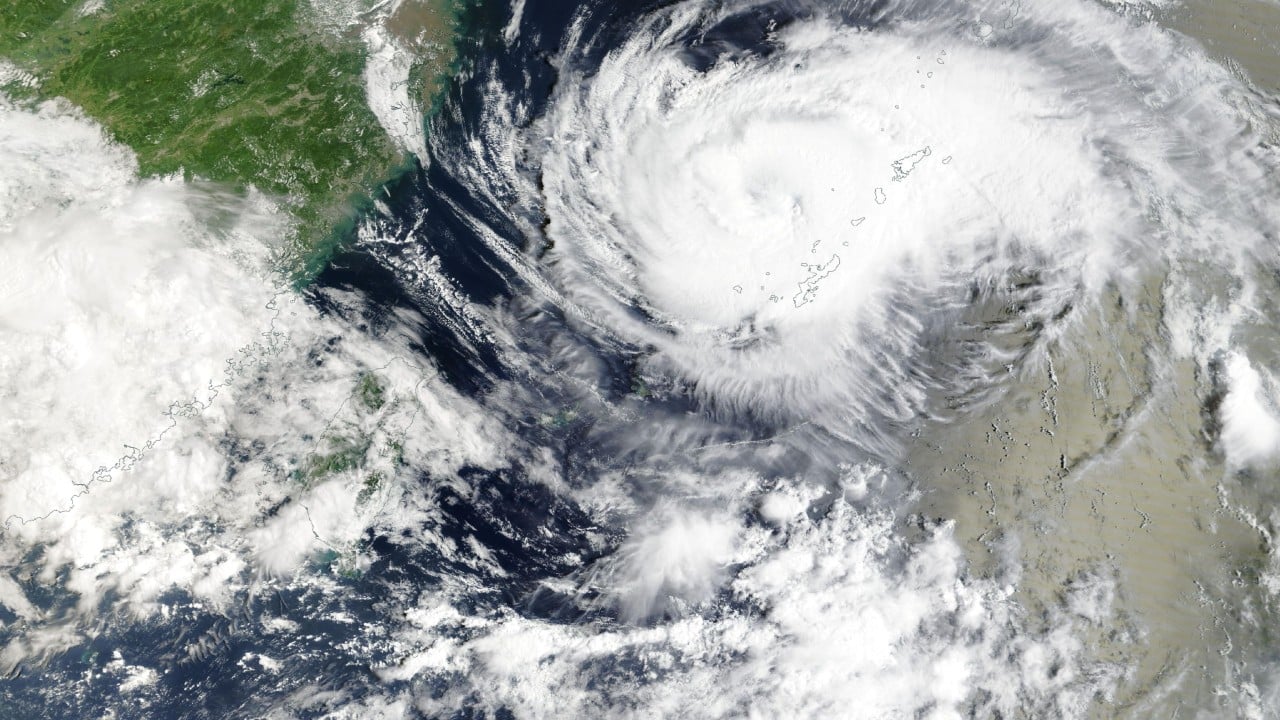
When a major weather system charges toward the coast, travel plans shatter within hours. Typhoon Saudel hit the East China Sea with terrifying momentum, forcing immediate emergency responses, flight groundings, and marine suspensions across Shanghai, Ningbo, and surrounding transit hubs. If you are tracking regional transit or trying to move cargo through eastern commercial hubs, the disruption is severe.
Emergency tiers jumped rapidly as the storm intensified. Port authorities and aviation regulators did not wait for landfall to take action. They acted fast to protect vessels, aircraft, and passengers from peak sustained winds reaching up to 162 km/h.
How the Shutdown Unfolded Across Major Hubs
The scale of the disruption caught plenty of casual travelers off guard. Major carriers and port operators enacted strict safety protocols as meteorological agencies raised warnings.
- Shanghai Port Complexes: Yangshan and Waigaoqiao initiated phased suspensions, halting empty-container handling and general terminal workflows to clear the area before high seas hit.
- Ningbo Shutdowns: Operations at Ningbo shifted to a full standstill under highest-tier emergency protocols, closing container yards and warehouses.
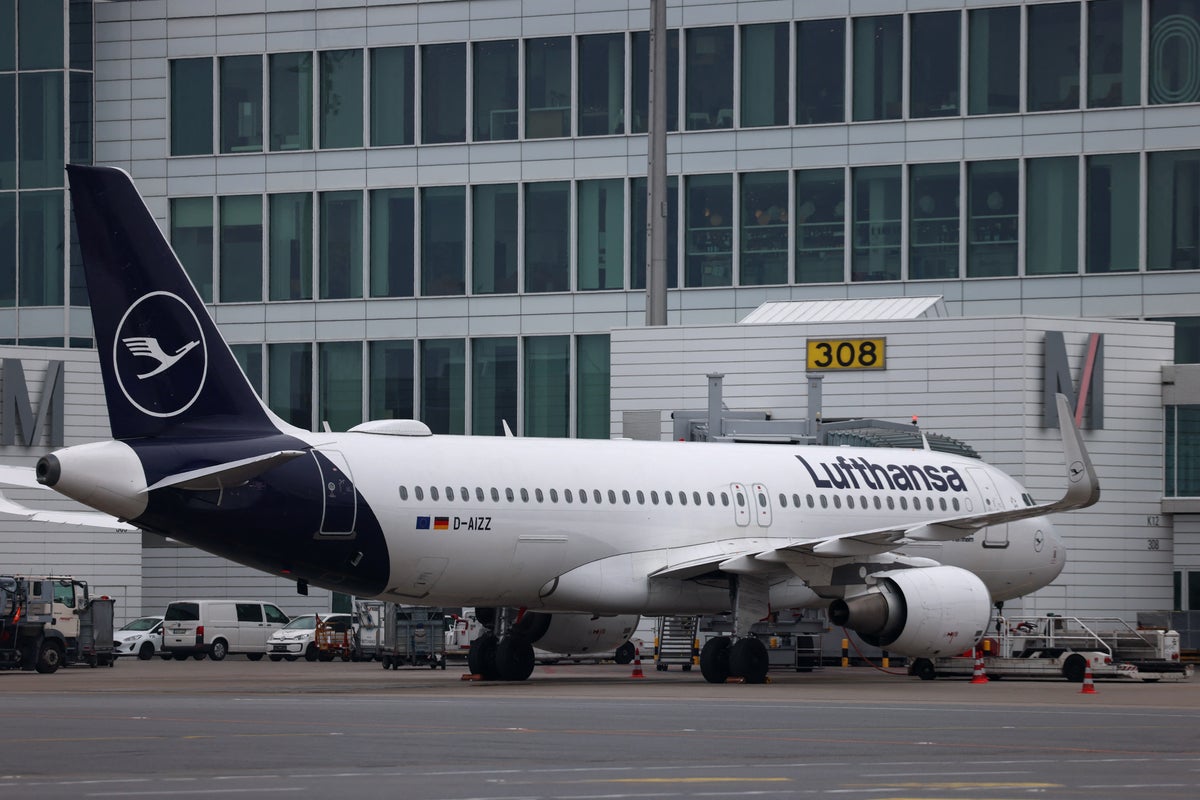
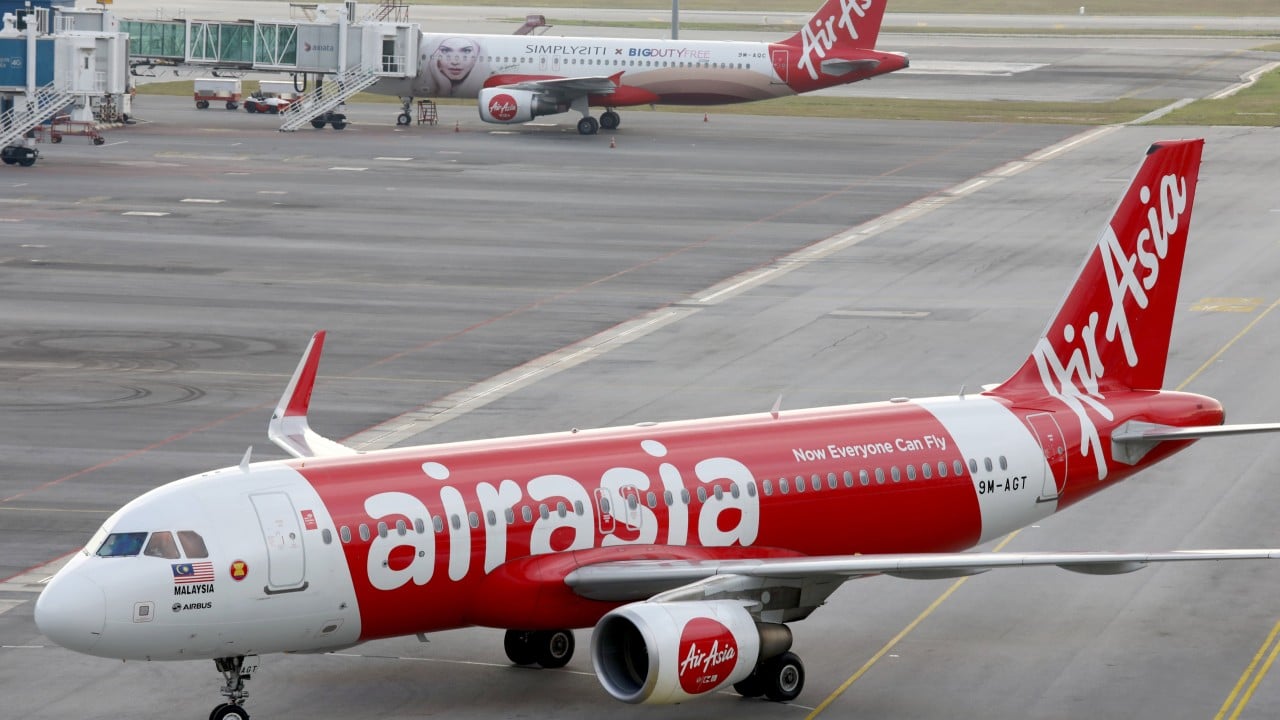
- Aviation Reductions: Airlines grounded flights connecting regional airports across Zhejiang, Fujian, and international transit points like Taipei and Okinawa, leaving thousands of passengers stranded or scrambling for rebooking options.
Ferries along coastal routes and island connections remain firmly tied down. Marine authorities are taking zero chances after tracking the storm's destructive path through southern Japan.
Managing the Logistics and Travel Fallout
Travelers and supply chain managers always pay the price when infrastructure freezes. Airlines including Thai Airways and various regional carriers issued broad waivers, allowing passengers to alter itineraries without penalty. Yet, finding an open seat out of the region remains a headache.
If you are caught in the middle of this mess, stop refreshing flight status apps every two seconds. Contact your carrier directly through alternative support channels or look for train alternatives if local rail links remain operational. Cargo operators face an even longer recovery timeline. Once the winds subside, port congestion clears out slowly over several days as a massive backlog of vessels lines up offshore waiting for berth assignments.
Keep a close eye on official meteorological updates rather than social media rumors. Conditions change hour by hour as the system pushes inland and gradually loses strength. Protect your schedule by building extra buffer days into any upcoming transit through China's eastern corridor.