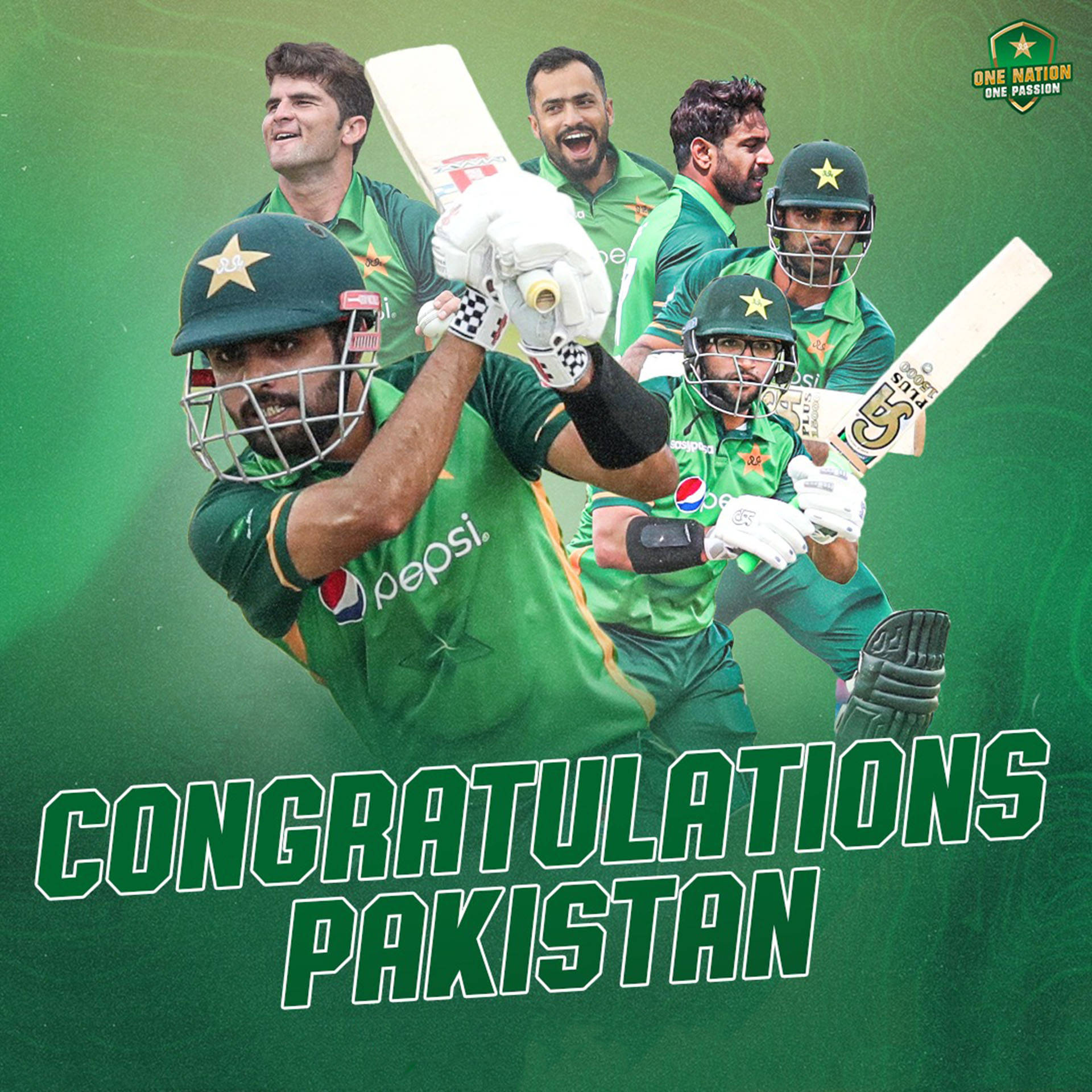
Pakistan won the match, but they lost the war. Again. If you're a fan of the Men in Green, this story is as predictable as a recurring nightmare. They walked into Pallekele needing a miracle to reach the 2026 T20 World Cup semi-finals. They walked out with a five-run victory over Sri Lanka and a one-way ticket back to Lahore.
The math was brutal. To leapfrog New Zealand and snatch a spot in the final four, Pakistan didn't just need to win; they had to demolish Sri Lanka. They needed to restrict the hosts to 147 or fewer after posting a massive 212. Instead, they let Dasun Shanaka turn the final over into a personal home run derby. It was chaotic, thrilling, and ultimately, a total failure of the system.
A Record Stand and the Omission of Babar Azam
The biggest shock happened before a single ball was bowled. Salman Ali Agha, the captain, walked out for the toss and confirmed what many felt was unthinkable: Babar Azam was dropped. The management finally prioritized "intent" over "reputation." It was a desperate move, sure, but it actually worked on the scoreboard.
Sahibzada Farhan and Fakhar Zaman didn't just open the batting; they tore the script to shreds. They put on 176 runs for the first wicket—a new T20 World Cup record. Farhan was on another planet. He smashed a 60-ball century, becoming the first player to hit two tons in a single T20 World Cup. He also surged past Virat Kohli's 2014 record for the most runs in a single edition, finishing the tournament with 383 runs.
Fakhar Zaman was equally lethal, bludgeoning 84 off 42 balls. At 176/0 in the 16th over, Pakistan looked like they might actually pull off the impossible. They ended on 212/8. It was their highest-ever T20 World Cup total. But even that felt short. A late collapse meant they left at least 20 runs on the table. Those 20 runs would come back to haunt them.
The 147-Run Ghost
The real game wasn't about the 213-run target. It was about the 147-run mark. If Sri Lanka crossed 147, Pakistan's semi-final dreams were officially dead. Net run rate is a cruel mistress.
For a while, the bowlers held their nerve. Abrar Ahmed was the standout, finishing with 3/23. He tied the Lankan batters in knots. When Sri Lanka slumped to 101/5 in the 12th over, there was a flicker of hope. Maybe, just maybe, they'd collapse.
Then came Pavan Rathnayake and Dasun Shanaka.
Rathnayake played a savvy, calculated knock of 58 off 37. He didn't need to win the game; he just needed to kill Pakistan's qualification hopes. As the score ticked past 140, the tension in the Pakistan camp was visible. When the 148th run was scored in the 16th over, the air went out of the stadium for the visitors. New Zealand were through. Pakistan were out.
The Final Over Meltdown
Even with qualification off the table, Pakistan wanted the win for pride. Sri Lanka wanted it to give their home fans something to cheer about after an equally disappointing campaign.
It came down to 28 runs off the final over. Shaheen Shah Afridi, the spearhead, took the ball. What followed was pure carnage. Shanaka went 4, 6, 6, 6.
22 runs off four balls.
The equation dropped to six runs off two balls. Sri Lanka were on the verge of a miracle. But Shanaka, perhaps exhausted by his own brilliance, missed a scoop on the fifth ball. On the final delivery, a wide-looking yorker zipped past him. He left it, expecting the umpire to signal a wide. The umpire stood still. Pakistan won by five runs.
Why Winning This Match Changed Nothing
Honestly, this victory is a band-aid on a bullet wound. The issues in Pakistan cricket go deeper than one dropped player or one bad over. The "groupings" within the team—factions reportedly led by Babar, Shaheen, and Rizwan—have created a toxic environment that no amount of record-breaking opening stands can fix.
You can't win a World Cup when your senior players aren't on speaking terms. You can't win when the board replaces captains like they're changing socks. The 2024 exit was blamed on rain and a shock loss to the USA. This 2026 exit is being blamed on dew and net run rate. At some point, the excuses have to stop.
If you're looking for what happens next, watch the fallout from the Babar Azam snub. Dropping a legend for a must-win game is a statement. It says the "anchor" role is dead in modern T20 cricket. Whether the PCB stays the course or retreats back to the safety of big names will define their trajectory toward the next cycle.
The immediate next step is an honest audit of the middle order. Pakistan's reliance on the top two is unsustainable. When Farhan and Fakhar got out, the rest of the lineup crumbled like a house of cards. They need finishers who don't panic when the required rate or the pressure climbs. If they don't find them, 2028 will look exactly like 2026.
Stop focusing on the "last-ball thriller" headlines. Focus on the fact that a team with this much talent is watching the semi-finals from the couch. Again.