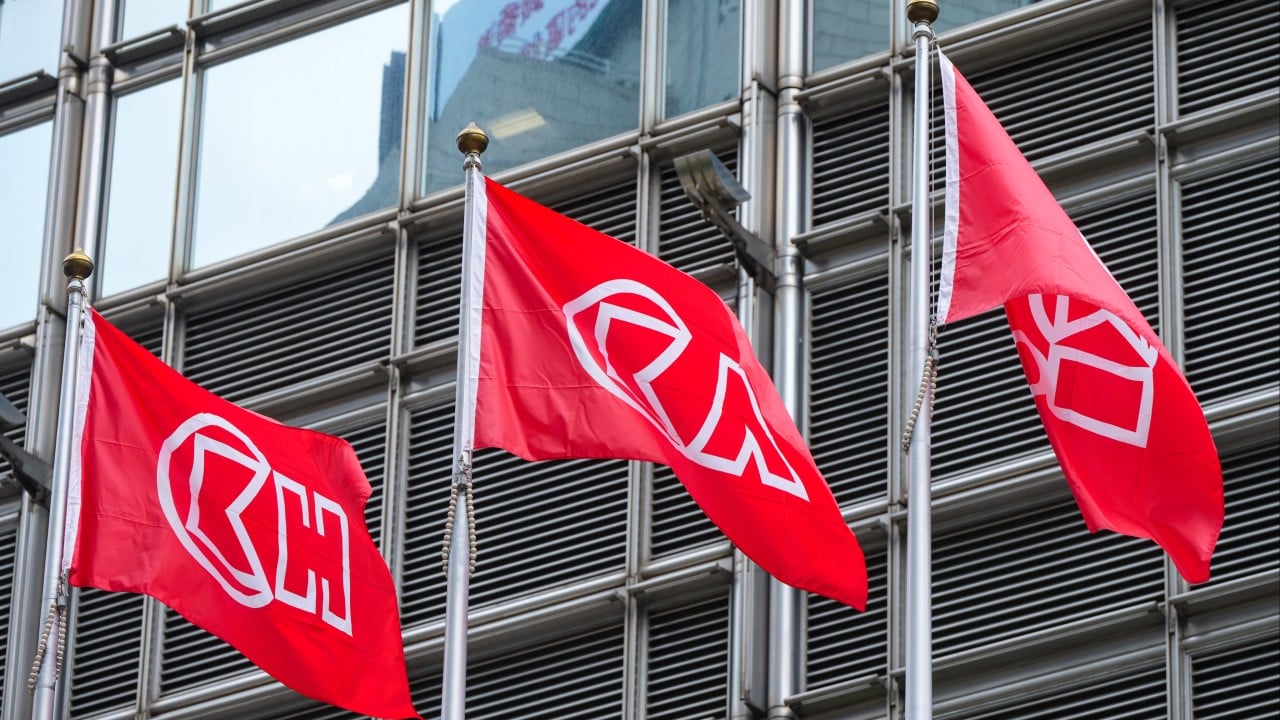
If you think your international business contracts are worth more than the paper they're printed on, you haven't been watching Panama lately. On February 26, 2026, the situation at the Panama Canal went from a messy legal dispute to what looks like a scene from a corporate heist movie. Panamanian authorities didn't just send a polite letter; they sent investigators to raid a private storage site belonging to Panama Ports Company (PPC), a subsidiary of the Hong Kong giant CK Hutchison.
They didn't give notice. They didn't wait for a representative. They just went in and started loading cardboard boxes into police trucks.
This isn't just about some shipping containers or a missed tax payment. It’s a full-blown assault on the concept of legal certainty in one of the world's most critical trade hubs. When a sovereign state decides to ignore its own court-mandated safeguards and raids a private facility to snatch "materials tied to ongoing legal cases," it’s sending a signal. That signal is clear: if the politics get hot enough, your property is no longer yours.
The Albrook Raid and the End of Due Process
The raid took place in the upscale Albrook district of Panama City. While the Panamanian government claims this was an "independent investigation" by the Public Ministry, the timing is too perfect to be a coincidence. Just days earlier, the government finalized the annulment of PPC’s long-standing concessions to operate the Balboa and Cristobal terminals—the gateways to the Pacific and Atlantic.
CK Hutchison didn't hold back in their response. They’ve slammed the move as a total "disregard for the rule of law." According to the company, the state basically invaded their property and ignored every request to protect sensitive corporate data.
Think about that for a second. PPC and the state are currently locked in a massive legal battle, including a $2 billion international arbitration claim. Then, the state—who is the defendant in that case—uses its police force to enter the plaintiff’s private storage and seize "confidential and legally protected information" related to that very same legal fight. In any other context, we’d call that witness tampering or evidence theft. In Panama, they're calling it an "independent investigation."
Geopolitics Is a Dirty Business
You can't talk about this without talking about the elephant in the room: the United States and China. The Panama Canal is the ultimate trophy in the new Cold War. For decades, CK Hutchison—owned by billionaire Li Ka-shing—has run the ports at both ends of the canal. To Washington, that looked like a "Chinese beachhead" on America’s doorstep.
President Donald Trump hasn't been shy about his desire to "reclaim" the canal. He’s spent years pressuring Panama to purge Chinese influence. Panama, caught between its biggest user (the US) and a massive infrastructure investor (China), finally blinked.
By declaring the 1997 port contracts "unconstitutional" in late January 2026, the Panamanian Supreme Court gave the government the legal cover it needed to kick the Hong Kongers out. But the way they did it—with "unnotified intrusions" and threatening employees with criminal prosecution if they didn't leave their posts—is what’s really shaking the market.
The Hypocrisy of Panamanian Justice
What’s truly wild is how differently Panama treats its friends versus its "enemies." Compare the treatment of CK Hutchison to how the government handles Minera Panama, the copper mine owned by Canada’s First Quantum Minerals.
- Hutchison: Supreme Court rules the contract is unconstitutional. Result? Immediate physical seizure, executive decrees to "occupy" private equipment, and raids on storage sites.
- Minera Panama: Supreme Court rules the contract is unconstitutional. Result? The government spends a year trying to find "legal workarounds" and negotiating to keep the mine open.
When you're a Western mining company, unconstitutionality is a "negotiation point." When you’re a Hong Kong-based port operator in the middle of a US-China spat, unconstitutionality is an excuse for a midnight raid. It’s hard to claim you have "legal certainty" when the law only applies to the people you don't like.
Why This Matters for Your Bottom Line
If you’re an investor, you should be terrified. Panama is trying to have it both ways. They want to be a global logistics hub that attracts billions in foreign direct investment, but they're acting like a banana republic that seizes assets when the political winds shift.
The government’s Executive Decree No. 23 didn't just take the ports; it authorized the "temporary occupation" of PPC's private property. That includes cranes, vehicles, computers, and—most importantly—proprietary software. They basically just took a multi-billion dollar business's operating system and said, "We’ll give it back when we’re done."
This is a de facto expropriation. CK Hutchison is already pulling the trigger on international arbitration through the International Chamber of Commerce (ICC). They’re going for the jugular, claiming billions in damages. And honestly? They have a point. If a state can just decide your 25-year contract is void and then raid your office to take the evidence you're using against them, why would anyone ever build a warehouse there again?
What Happens Next for the Canal
The ports of Balboa and Cristobal haven't stopped working. They’ve been handed over to Maersk's APM Terminals and MSC's TIL for an 18-month "transition period." It’s a convenient move for the Panamanian government—they get to keep the canal running while looking like they've aligned with "Western" interests.
But the damage to Panama’s reputation is going to last a lot longer than 18 months. China has already started retaliating, halting talks on new projects and suggesting that shipping companies might want to look for other routes. When the world’s second-largest economy decides you’re no longer a reliable partner, that 5% of global trade moving through the canal starts to look a lot more fragile.
If you have operations in Panama or any jurisdiction where "national interest" is being used as a blunt instrument to void contracts, it's time to audit your protection. Relying on local courts clearly isn't enough when the executive branch can override them with a decree and a few trucks.
Make sure your investment insurance is airtight and your data is stored in a jurisdiction that actually respects the "private" part of private property. Panama just showed the world that in 2026, the "rule of law" is whatever the guy in the presidential palace says it is.