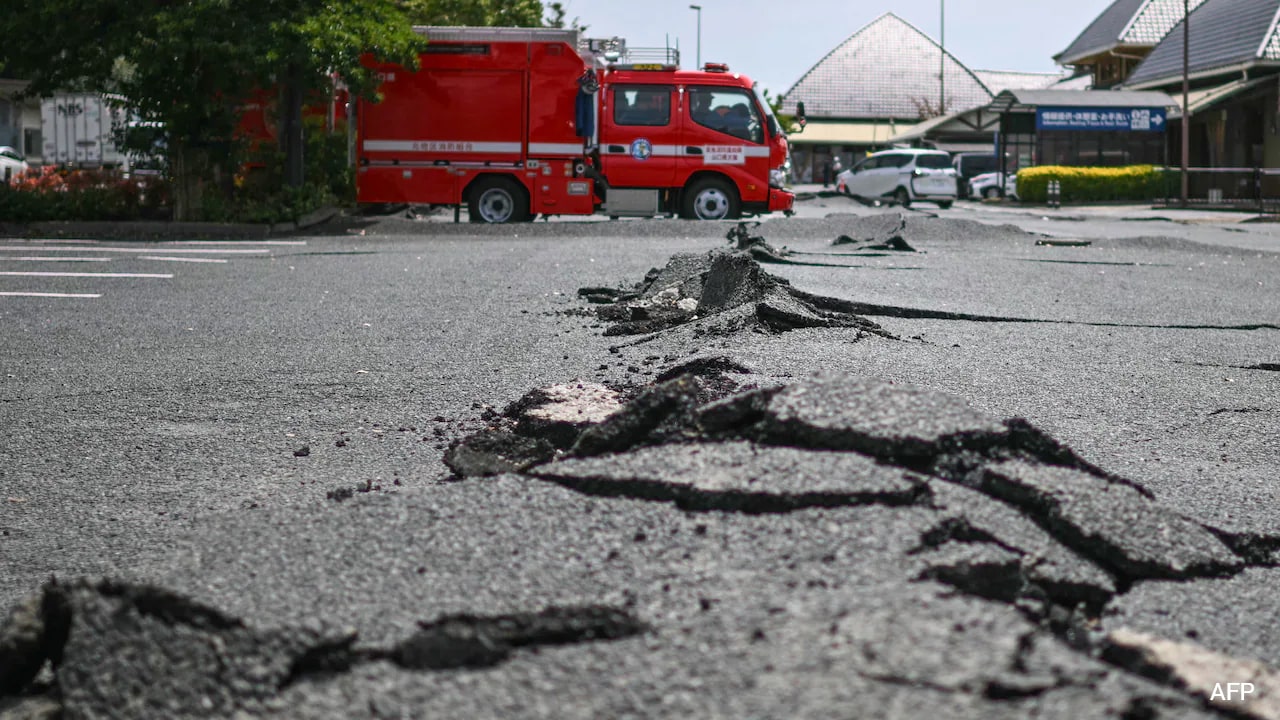
At two o'clock in the morning, emergency alerts blared across mobile phones throughout eastern Japan. Millions woke up to violent shaking as a preliminary 5.9 magnitude earthquake struck southern Ibaraki Prefecture at a depth of 70 kilometers.
If you live outside a seismic zone, a 5.9 magnitude event sounds terrifying. In Japan, structural codes mean buildings rarely collapse from this kind of shaking. Even so, the human cost adds up quickly when the earth violently rolls in the middle of the night. Over twenty people sustained injuries across Ibaraki, Saitama, Chiba, and Kanagawa prefectures. Most injuries happened because people scrambled out of bed in a panic, falling or crashing into furniture in the dark. One elderly woman in Yokohama suffered a serious hip injury after tumbling off her bed.
Understanding the Shaking Intensity
The Japan Meteorological Agency measured the event at a lower 5 on the domestic seismic intensity scale. That specific tier causes unanchored items to crash down from shelves and makes walking difficult without holding onto something sturdy.
Tokyo felt the jolt heavily. Infrastructure across the capital experienced immediate ripple effects, though major catastrophes were avoided. Prime Minister Sanae Takaichi activated a government task force immediately via social media updates to coordinate damage assessments.
Immediate Infrastructure Disruptions
Transit operators scrambled to secure networks right after the shaking stopped. East Japan Railway Company reported temporary delays on express routes serving Tokyo and Narita Airport. Tobu Railway suspended selected express services while safety checks were completed.
Bullet trains, known as Shinkansen, maintained normal operations, saving thousands of early morning commuters from total gridlock. Utility providers faced minor failures. TEPCO Power Grid confirmed that roughly 460 homes in Tokyo lost power temporarily. Crews restored electricity by morning.
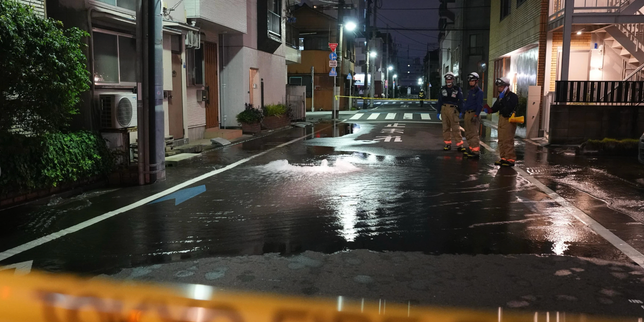
In Tokyo's eastern Koto Ward, an underground water main ruptured, sending water spilling across the roadway before municipal workers clamped the leak. Nuclear regulators verified that roughly a dozen nuclear facilities in the region, including Tokai No. 2 and Fukushima installations, reported zero anomalies or structural issues.
Why Midnight Shaking Changes Everything
Daytime earthquakes allow people to brace themselves, track debris, and spot hazards instantly. Nighttime events trigger pure disorientation. When your bedroom starts swaying at two in the morning, adrenaline takes over logic.
Most injuries during moderate quakes stem from slips, trips, and falling objects rather than structural failure. Securing heavy bedroom furniture and keeping shoes near the bed remain critical habits, even in a country with world-class earthquake engineering.
Meteorological authorities advise residents across the affected prefectures to stay alert for potential aftershocks matching similar intensities over the coming week. Keep emergency kits accessible, check local transit updates before heading out, and secure tall furniture before the next tremor hits.