The plastic casing of a secure telephone feels exactly like any other phone. It absorbs the heat of a palm. It grows slippery if a hand begins to sweat. But when the line connects Jerusalem to Palm Beach, the silence before the first voice speaks carries a specific, heavy frequency. It is the sound of two men calculating the friction of a changing world.
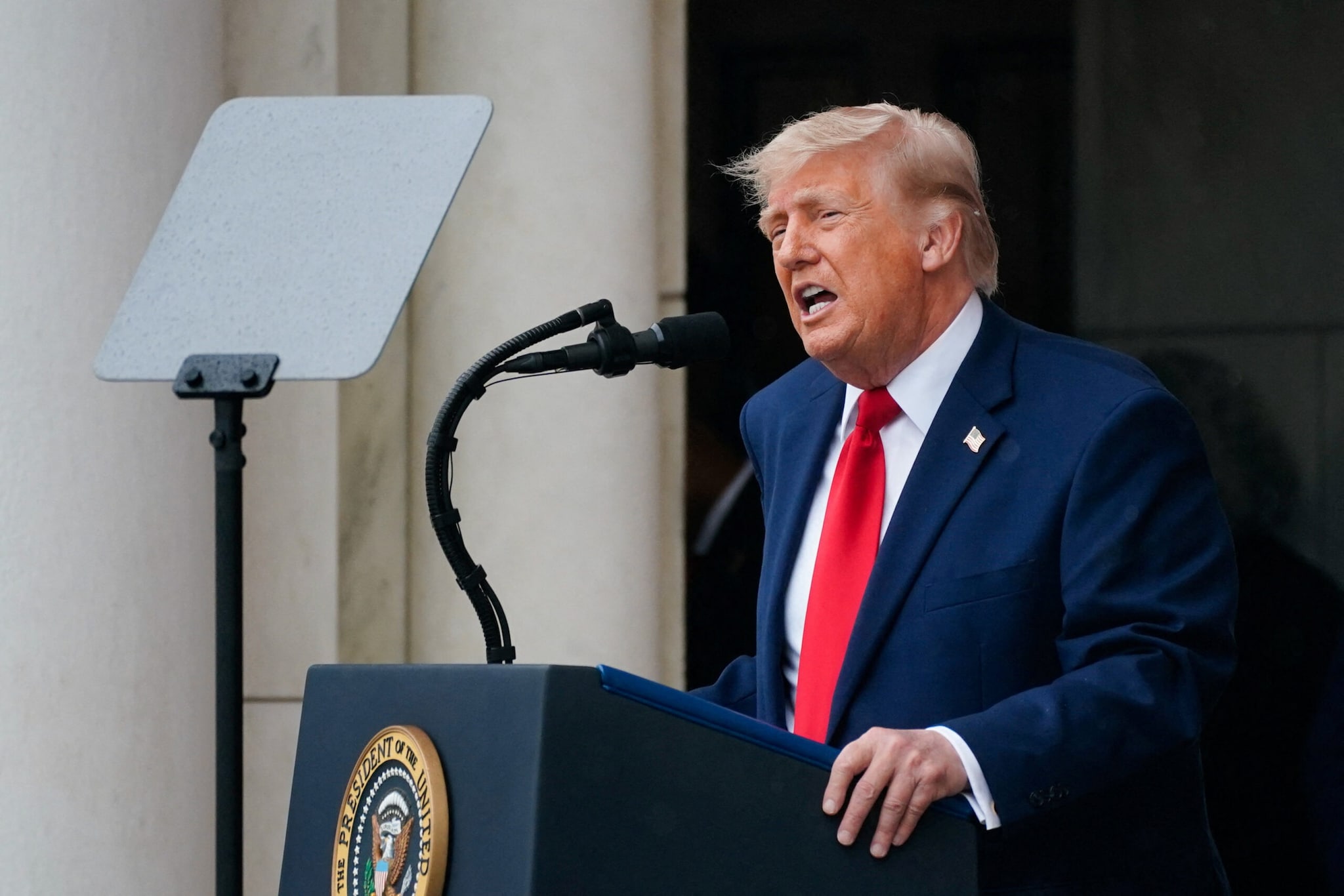
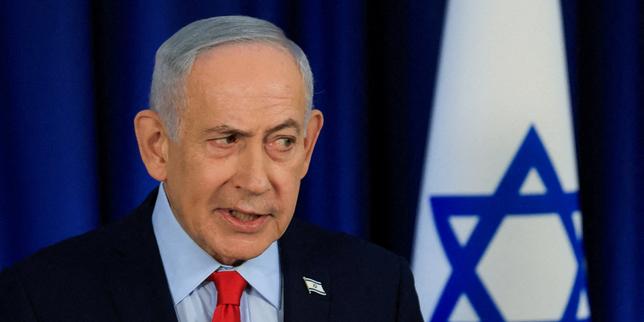
Benjamin Netanyahu sat in his office, the ambient hum of West Jerusalem muted by reinforced glass. On the other end of the wire was Donald Trump. They were not just talking; they were aligning. According to official statements emerging from the Israeli Prime Minister’s office, the two men spoke three times over a span of just a few days. The central theme was not a polite exchange of pleasantries. It was Iran. Netanyahu made it clear that he and the incoming American president see eye to eye on the core threats posed by Tehran.
To understand what that means, you have to look past the official press releases. You have to look at the map through the eyes of the people who live under its lines.
Geopolitics is often treated like a chess match played with cold, wooden pieces. We read the headlines about diplomatic alignments and strategic agreements as if they happen in a vacuum. They do not. Every shift in alignment between Washington and Jerusalem ripples outward, touching lives in ways that are immediate, physical, and terrifyingly real.
The Anatomy of an Agreement
Consider a family in Haifa. For them, a headline about a phone call between world leaders isn't abstract political theater. It dictates whether they spend their Tuesday evening in a living room or a concrete bomb shelter. When Netanyahu states that he and Trump see the Iranian threat in all its components, he is talking about the drones that hum over northern Israel. He is talking about the ballistic missiles banked in underground silos thousands of miles away.
The relationship between Netanyahu and Trump has always been defined by a shared skepticism of international accords. During Trump’s first term, this shared worldview culminated in the United States pulling out of the 2015 Iran nuclear deal, a move that Netanyahu had championed fiercely from the podium of the UN General Assembly.
Now, the context has shifted. The region is not where it was four years ago. It is scarred by months of direct, bloody conflict.
The agreement between the two leaders is not merely a rerun of old policies. It is a response to a new reality. Netanyahu described these conversations as "warm and very important," aimed at tightening the alliance between Israel and the United States. But what does tightening mean when the rope is already taut?
For an ordinary citizen in Tel Aviv or Tehran, that tightening feels like a constriction of the chest. It means the space for diplomatic maneuvering is shrinking. The language is hardening. When two massive military apparatuses decide they agree on the "main points" of a threat, the machinery of conflict begins to grease its gears.
The View From the Other Side of the Border
To understand the full weight of this alignment, one must look at the civilian reality in Lebanon and Gaza, where the shadow of Iran’s proxy network meets the reality of Israeli military power.
In Beirut, the news of a Trump-Netanyahu consensus doesn't bring hope for a quick resolution. It signals a potential hardening of the American stance. People there remember the "maximum pressure" campaign of Trump's first term—the economic sanctions that crippled economies and drove inflation through the roof.
Imagine a shopkeeper in the Dahieh suburb of Beirut. He cleans the dust from his display case after a nearby airstrike. He doesn't read the white papers issued by Washington think tanks. He watches the value of his currency plummet and wonders if the next American administration will greenlight an even more aggressive posture.
The human cost of these strategic understandings is paid in the currency of uncertainty. Will the incoming administration push for immediate ceasefires, or will it provide the diplomatic cover needed to expand military operations? The ambiguity itself is a psychological weight.
Netanyahu’s public emphasis on his alignment with Trump is a calculated piece of theater, but the emotions underlying it are raw. Israel feels isolated on the global stage, facing criticism from traditional European allies and investigations from international courts. For Netanyahu, the telephone calls were a lifeline—a demonstration to his domestic audience and his regional adversaries that the most powerful nation on earth is about to be led by someone who shares his definitions of security.
The Invisible Stakes of a Changing Guard
There is a profound vulnerability in relying so heavily on the political fortunes of a single foreign leader. American foreign policy can shift with the stroke of a pen or the outcome of a Tuesday election. For Israelis who remember the shifting dynamics under the Biden administration—where arms shipments were delayed and public warnings were issued over civilian casualties—the return of Trump represents a return to a more predictable kind of unpredictability.
But predictability for a government does not mean peace for its people.
The real danger of a total alignment on Iran is the elimination of alternative routes. When two leaders agree completely on the nature of an enemy, they rarely look for ways to talk to that enemy. The policy becomes binary: containment or confrontation.
Think about the young soldiers on both sides of these borders. They are the ones who will inhabit the strategy discussed on those three phone calls. They are the ones who will sit in the hulls of armored vehicles or watch radar screens in underground bunkers, waiting to see if the political consensus translates into an order to fire.
The competitor's article laid out the facts: three calls, total agreement on Iran, warm relations. But facts without context are like bones without meat. The meat is the fear, the calculation, and the high-stakes gambling happening in the corridors of power while ordinary people try to figure out if they should buy extra groceries for the week.
Netanyahu’s announcements were timed to send a message of strength. Yet, beneath the declaration of unity lies a deeper, unspoken anxiety. If the strategy fails, if the maximum pressure does not break the adversary but instead provokes a larger explosion, there is no backup plan. The two leaders have tied their ropes together. If one slips, the weight pulls at both.
The line went dead. The Prime Minister put down the receiver. Outside, the Mediterranean sun continued to bake the stones of Jerusalem, indifferent to the treaties of men, while millions of people held their breath, waiting for the echo of a conversation they were never meant to hear.