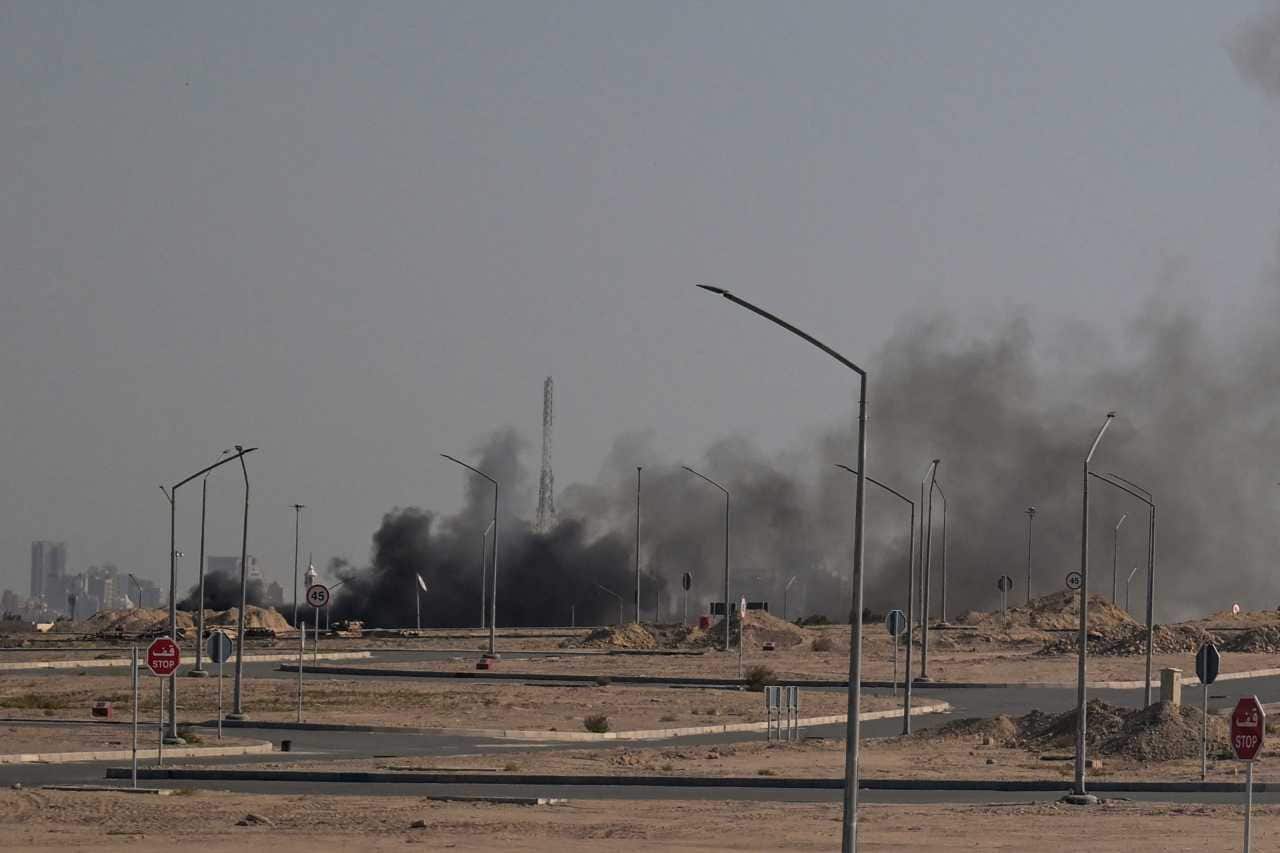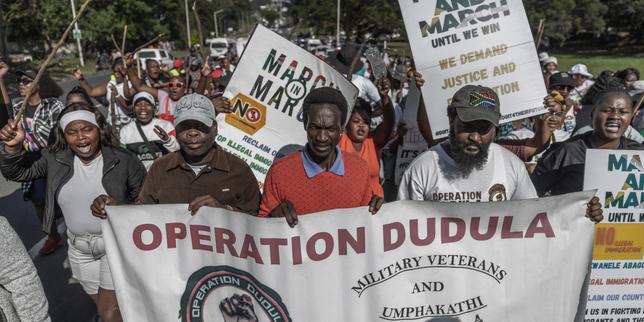
South Africa is trapped in a devastating loop. Every few years, tension boils over, shops face looting, and foreign nationals find themselves running for their lives. We keep calling it a new wave of xenophobia, but that is a lie. It is not a wave. It is a permanent fixture of the political landscape, a recurring nightmare that flares up whenever structural failures become too glaring to hide.
If you are looking at the current instability and wondering why this keeps happening in the continent's most industrialized economy, the answer does not lie in sudden outbreaks of hatred. It lies in a toxic mix of economic despair, political scapegoating, and a broken immigration system.
The Real Drivers Behind the Violence
Street-level frustration is palpable. Walk through townships in Gauteng or KwaZulu-Natal and you will hear the same complaints. People blame undocumented migrants for taking scarce jobs, straining public clinics, and driving up crime.
But blaming migrants ignores the real culprit.
The South African economy has stalled. Unemployment figures hover at catastrophic levels, particularly among youth where the rate surpasses 60%. When over half of the young population has no job and no realistic prospect of getting one, anger builds up. It requires a target. Instead of holding the government accountable for failing infrastructure, rolling power cuts, and corruption, anger gets directed at the shop owner down the street who happened to be born in Zimbabwe, Somalia, or Nigeria.
Politicians know this. They exploit it. During election cycles, the rhetoric shifts noticeably. Parties across the spectrum realize that blaming foreigners is an easy way to win votes without fixing the deep structural issues plaguing the country.
Beyond the Headlines
This issue is far more complex than simple prejudice. South Africa has a deeply entrenched informal economy. Spaza shops—small township grocery stores—are the lifeblood of these communities. Over the last two decades, foreign traders became highly successful in managing these shops because of collective buying power and better supply networks.
Local operators felt squeezed out. This economic rivalry frequently triggers localized violence, which then gets wrapped in nationalist rhetoric.
Human rights organizations like Human Rights Watch and Amnesty International have repeatedly documented how law enforcement fails to protect foreign nationals. When a shop is looted, police often stand by or arrive too late. This lack of accountability creates a dangerous culture of impunity. Vigilante groups know they can operate with minimal consequences.
The legal immigration framework is equally chaotic. The Department of Home Affairs faces massive backlogs. Asylum seekers spend years in bureaucratic limbo, unable to formalize their status. This broken system leaves migrants vulnerable to exploitation by employers and harassment by corrupt officials, while fueling the local narrative that millions of people are living in the country illegally.
The Regional Fallout
South Africa does not exist in a vacuum. What happens in Johannesburg reverberates across the Southern African Development Community (SADC).
When violence spikes, relations with neighboring countries sour immediately. Nigeria, Zimbabwe, and Mozambique have previously launched diplomatic protests and evacuated citizens. Air Peace, a Nigerian airline, famously ran free evacuation flights during past crises.
This creates a massive paradox. South Africa positions itself as a champion of pan-African unity and economic integration. Yet, its domestic reality tells a completely different story. Brain drain is another side effect. High-skilled African professionals, researchers, and tech founders are increasingly choosing destinations that feel safer, depriving the country of vital talent.
What Needs to Change Right Now
Stopping this cycle requires moving past empty political statements and toothless committees.
First, the Department of Home Affairs must fix its broken documentation system. Clear, efficient paths to legal residency reduce the size of the undocumented population and eliminate the legal gray zone that breeds resentment.
Second, law enforcement needs to treat anti-migrant violence as organized crime, not random community anger. Intelligence-led policing must target the leaders of vigilante groups who organize raids on foreign-owned businesses.
Finally, the government must address the township economy directly. Instead of trying to ban foreign traders, the state should provide micro-loans, business training, and supply-chain support to local South African entrepreneurs so they can compete fairly.
The underlying economic misery will not vanish overnight. But stopping the weaponization of that misery is something leaders can choose to do today. Until they do, the next flare-up is just a matter of time.