Blaming a Gulf crisis for southern Africa’s lingering coal addiction is lazy journalism dressed up as geopolitical insight. It makes for a dramatic headline. It also gets the cause and effect completely backward.
When oil tankers face routing risk, freight rates jump, or regional tension rattles energy markets in the Persian Gulf, commentators rush to declare a "return to coal" across southern Africa. The narrative writes itself: expensive or uncertain imported fuels push power-starved economies back toward cheap, domestic coal.
That story flatters everyone except reality. Southern Africa does not cling to coal because a flare-up in the Gulf suddenly makes imported fuel unaffordable at the margin. It clings to coal because decades of utility rot, transmission bottlenecks, grid-connection queues, sovereign credit constraints, and industrial structure already locked coal into the center of baseload power and industrial heat. A Gulf shock acts as an amplifier on an existing bottleneck, not the master architect of the region’s energy mix.
The Lazy Consensus Around Gulf Shocks and Coal
The standard argument goes like this: external supply anxiety in the Gulf raises energy risk premiums, currency pressure bites oil-importing economies, and utilities or manufacturers lean harder on abundant local coal to keep lights on and factories running.
There is a kernel of truth in the short-term arithmetic. Diesel backup generation gets pricier when fuel markets tighten. Industrial operators running boilers or kilns hate importing volatility when they sit atop massive coal reserves.
Yet treating a Gulf crisis as the primary driver of coal dependency in southern Africa confuses a spark with the tinder. Most utility-scale electricity generation in countries like South Africa, Botswana, and Zimbabwe is already heavily coal-weighted regardless of what happens in the Strait of Hormuz or off the coast of Ras Tanura. You cannot "increase dependency" on a baseline fuel that already supplies the bulk of dispatchable power simply because another fuel becomes slightly less convenient—unless there is real, liquid switching capacity waiting on the sidelines.
In much of southern Africa, that switching capacity does not exist at scale.
Grid-scale gas turbines are limited. Import terminals and regional pipelines are uneven. And industrial plants built around coal-fired steam, process heat, or captive power cannot swap fuels overnight like a trader flipping futures contracts. When a Gulf shock hits, the headline says crisis drives coal. The actual mechanics usually show something quieter and more damning: already-stretched grids have zero cushion, so any external pressure exposes how little resilience was ever built.
What People Actually Ask When They Look at This Story
Readers typing variations of Why does a Gulf crisis increase coal use in southern Africa? or Can southern Africa replace coal with renewables or gas? are usually asking the wrong question.
The real question is not whether external crises nudge coal demand upward at the margins. The real question is why grid architecture, utility governance, and capital allocation across southern Africa remain so vulnerable that every global shock turns into a domestic reliability scare.
Consider the common follow-up questions people ask when this topic trends:
- "Does higher global energy risk force southern African utilities to burn more coal?" Only where spare coal capacity exists, is mechanically available, and can be dispatched without tripping aging boilers. In markets plagued by unplanned outages and maintenance backlogs, a grid cannot simply "turn up" broken coal units on command.
- "Is coal actually cheaper than alternatives in southern Africa?" On paper, mine-mouth coal has long looked cheap because historical capital costs were sunk decades ago and environmental or health externalities were pushed off the utility balance sheet. Once you price in refurbishment costs, unscheduled breakdowns, water constraints, and transmission delays, "cheap coal" turns out to be brutally expensive for anyone trying to run a modern economy.
- "Why hasn't cheaper solar and wind already pushed coal out?" Because generation cost per megawatt-hour means very little when high-voltage transmission lines are congested, grid-connection approvals drag on for years, and dispatchable balancing power is scarce. Cheap electrons stranded far from demand do not keep a smelter running at 3:00 a.m.
Separating Fuel Markets from Grid Reality
To understand why the lazy Gulf-to-coal narrative misses the mark, you have to separate liquid fuel markets from bulk power systems.
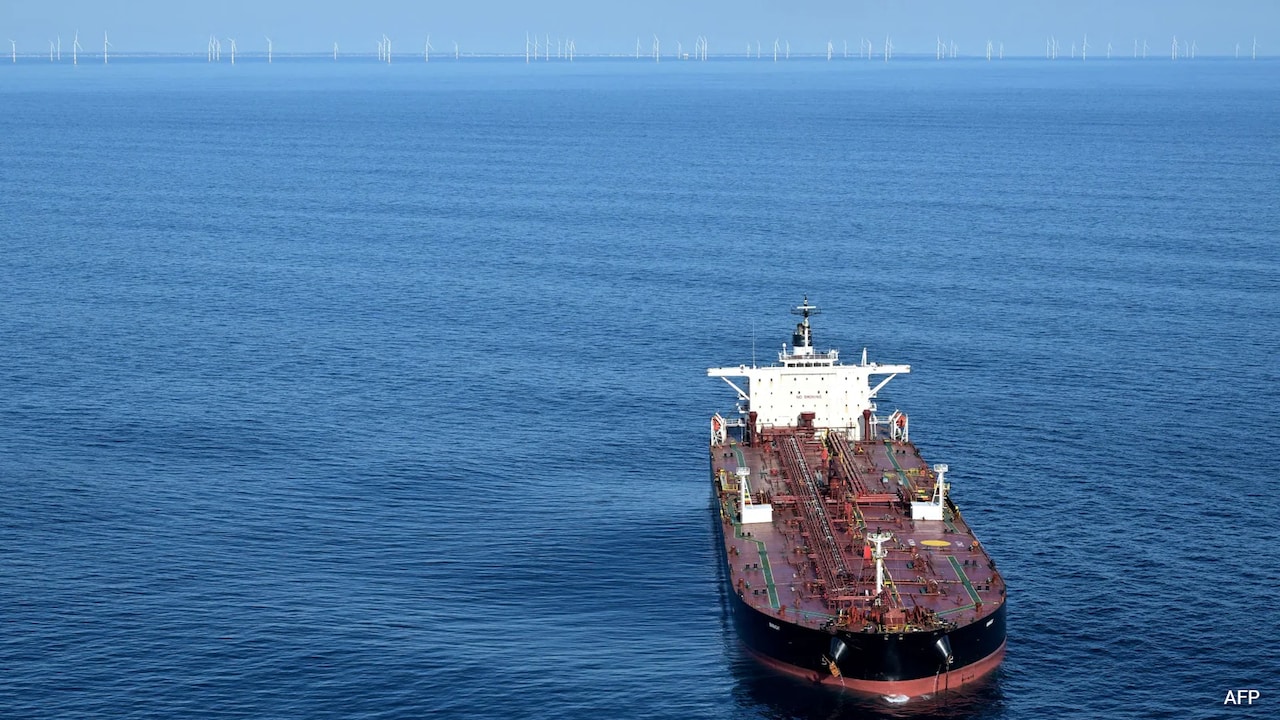
Oil and refined products are globally traded, logistics-sensitive commodities. A Gulf crisis directly hits shipping lanes, insurance premiums, refinery margins, and diesel costs. That matters for transport, mining fleets, agricultural machinery, and emergency backup generators.
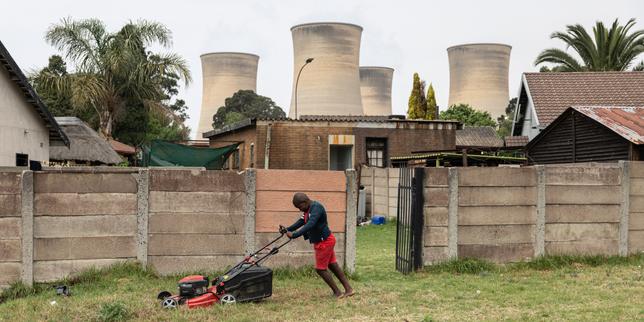
Coal in southern Africa operates on a very different axis. It is largely a domestic or sub-regional industrial and power input tied to specific mines, rail corridors, boilers, and utilities. When a Gulf crisis hits, diesel gets more expensive; coal stays coal. If an economy leans more heavily on coal during a period of external tension, it is usually because diesel backup becomes painful to run continuously—or because policymakers use external geopolitical stress as political cover to delay uncomfortable transitions.
Political cover is underrated in energy analysis. Nobody in a power ministry wants to admit that a grid shortfall stems from years of delayed maintenance, procurement paralysis, or weak cost recovery. Blaming an external crisis in the Gulf is clean, external, and politically convenient.
Battle Scars from Capital Allocation in Emerging Grids
I have watched industrial operators and energy planners blow millions chasing the wrong bottleneck in power-constrained markets.
The classic mistake goes like this: an executive team or development fund looks at rising fuel costs, sees abundant local resources or falling panel prices, and pours money into generation assets without securing evacuation capacity, offtake certainty, or industrial load alignment. They treat power like a commodity you can simply drop onto a wire and sell.
In tight grids, electrons do not care about your financial model. If the substation is overloaded, if wheeling rules are ambiguous, or if industrial loads run continuous shifts that punish voltage sags and frequency drops, projects stall or underperform. I have seen well-intentioned energy investments sit half-idle or get dragged into multi-year permitting quagmires while diesel gensets—or aging coal units—keep humming in the background.
That is the lesson the Gulf-crisis commentary skips. You do not break coal lock-in just by pointing at a geopolitical headline and shouting "transition." You break it by fixing the physical bottlenecks that force buyers back to familiar, entrenched incumbents.
What the Heavy Hitters in Energy Systems Actually Emphasize
Serious energy system analysts—from institutions like the International Energy Agency (IEA) and the International Renewable Energy Agency (IRENA) to grid engineers working on southern African power pool dynamics—keep hammering on a point that gets lost in sensationalist coverage: energy transitions succeed or fail at the system level, not at the single-technology level.
In southern Africa, system-level reality includes:
- Aging fleet reliability: Legacy coal stations across the region face chronic availability challenges due to age, wear, and maintenance deficits. Assuming coal can effortlessly absorb extra demand ignores physical reality.
- Transmission as the bottleneck: Expanding wind and solar in resource-rich zones requires transmission corridors and grid reinforcement that take years to build and finance.
- Industrial competitiveness: Energy-intensive sectors—mining, ferroalloys, cement, chemicals—care about price stability, power quality, and supply security. When grids wobble, firms default to whatever keeps operations moving.
None of this is mysterious. It is basic engineering and industrial economics. Yet sensationalist framing treats every geopolitical flare-up in the Middle East as a sudden plot twist in southern African coal consumption.
The Honest Downside of My Own Contrarian Take
If I push the contrarian argument too far, I create my own blind spot—and I should own it outright.
Saying a Gulf crisis is not the main driver of southern Africa’s coal reliance does not mean external shocks have zero effect. Sharp spikes in imported fuel prices can squeeze foreign exchange reserves, strain national budgets, raise transport and logistics costs across landlocked supply chains, and make imported alternatives fiscally harder to swallow for cash-strapped governments.
In an economy already operating near the edge, a shock to imported energy or shipping can tighten the screws just enough to slow cleaner alternatives or keep high-emitting backup running longer than planned. Ignoring macro-financial spillovers completely would be just as sloppy as blaming the Gulf for everything.
The right calibration is simple: external shocks tighten constraints; structural grid and industrial realities dictate the baseline.
Imagine a Scenario Where External Shocks Stop
Imagine a scenario where tensions in the Gulf cool down completely tomorrow. Oil prices ease, shipping lanes calm down, and risk premiums vanish overnight.
Would southern Africa suddenly wake up with modern transmission lines, rock-solid utility balance sheets, zero grid-connection queues, and effortless industrial decarbonization?
Of course not. The hard work—fixing grid bottlenecks, modernizing power markets, scaling storage and firming capacity, and cutting project execution delays—would still sit right in front of policymakers and investors.
What Actually Works If You Want to Move Past Coal
If you care about energy security, industrial competitiveness, or lower emissions in southern Africa, stop reacting to every Gulf headline and focus on levers that actually move physical megawatts and industrial loads:
- Prioritize transmission and grid modernization over hype. Build the lines, substations, and grid-stability tools first. Generation without evacuation is stranded capital.
- Fix bankability and procurement speed. Long delays and shifting rules kill private capital or inflate risk pricing. Predictable frameworks bring lower-cost capital to the table.
- Solve for firm, dispatchable capacity—not just cheap midday energy. Pair variable renewables with storage, regional interconnection, or flexible industrial demand management so reliability holds around the clock.
- Target industrial heat and captive power directly. Mining and manufacturing hubs need tailored, reliable alternatives that match their duty cycles instead of generic policy slogans.
Coal in southern Africa persists because the system around it was built for coal and hasn't been rebuilt fast enough for anything else. Stop blaming the Gulf for a domestic structural problem. Fix the grid.