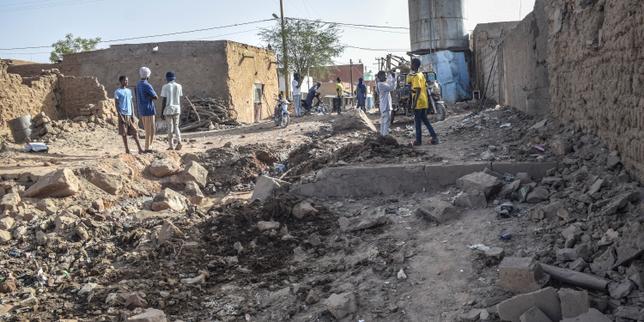
Military operations deployed against decentralized insurgency networks in the Sahelian zone face a structural crisis that extends far beyond tactical engagements. When forces deployed to remote outposts experience chronic operational friction, the degradation of fighting capacity is not a consequence of isolated tactical setbacks, but the predictable outcome of a systemic failure in resource allocation, logistical sustainability, and command coherence. Deconstructing the mechanics of frontline friction reveals why standard military interventions in Mali frequently deteriorate into protracted, low-yield attrition.
The Logistics Deficit and Operational Range
The primary constraint governing counter-insurgency operations in arid, low-infrastructure environments is logistical velocity. Operating units stationed in remote garrisons rely on extended supply lines that cross vast, highly contested terrain. This creates an unsustainable cost function where the resources required to secure a supply convoy often exceed the tactical value of the supplies being delivered.
When logistical throughput drops below the minimum consumption threshold required to maintain combat readiness, units experience a compounding degradation cycle:
- Equipment Attrition: Without regular access to specialized maintenance parts, vehicle availability rates plummet, forcing units to rely on degraded platforms or abandon mobility altogether.
- Resupply Intermittency: Food, potable water, and medical supplies frequently arrive irregularly, directly degrading the physiological endurance and cognitive performance of personnel stationed in isolated outposts.
- Firepower Rationing: Ammunition constraints force commanders to restrict defensive responses, reducing the deterrent value of fortified positions and inviting localized probes by insurgent forces.
This logistical vulnerability transforms static bases from projection hubs into isolated defensive liabilities. Troops are forced into a posture of containment, ceding tactical initiative to mobile insurgent factions who dictate the frequency and vector of engagement.
Information Asymmetry and the Intelligence Bottleneck
Counter-insurgency doctrine dictates that operational success depends on superior situational awareness and actionable intelligence. In the Malian theater, this principle encounters severe structural bottlenecks. Conventional military forces, structured around hierarchical command and heavy maneuver elements, often struggle to process the granular, shifting dynamics of local social structures.
The intelligence deficit is driven by three distinct structural failures:
- Language and Cultural Friction: External or centrally deployed forces frequently lack deep fluency in regional dialects and communal fault lines, rendering them dependent on intermediaries whose reliability may be compromised.
- Sensor-to-Shooter Latency: Even when reconnaissance assets identify transient targets, the bureaucratic layers separating tactical intelligence units from kinetic strike elements introduce delays that allow mobile adversaries to disperse.
- Population Alienation: When kinetic operations result in collateral disruption or fail to provide enduring security, the local civilian populace ceases to share actionable intelligence, starving military commands of early-warning data.
Without a reliable feedback loop from the civilian environment, military commands operate in an information vacuum, relying on reactive sweeps rather than preemptive disruption.
The Psychological Economy of Attrition
The cumulative effect of logistical neglect and intelligence poverty manifests directly in the psychological state of frontline personnel. Military effectiveness in high-stress environments relies on the implicit contract between the individual soldier and the institutional command structure: the soldier accepts extreme personal risk in exchange for institutional backing, advanced equipment, medical evacuation assurances, and operational purpose.
When this contract fractures, institutional cohesion degrades rapidly. Key indicators of this structural breakdown include:
- Evacuation Delays: The inability to guarantee rapid casualty evacuation (CASEVAC) from remote sectors instills a pervasive sense of vulnerability, altering unit risk calculi and leading to operational hesitation.
- Command Disconnect: Frontline operators frequently perceive a widening gulf between strategic objectives articulated by leadership and the tactical realities on the ground, eroding trust in command competence.
- Perceived Strategic Stasis: When operations resemble an endless cycle of patrolling without visible territorial consolidation or adversary degradation, unit morale shifts from proactive engagement to defensive survivalism.
This psychological erosion reduces the operational tempo of forces in the field. Units avoid high-risk maneuvers, minimize night operations where logistical and tactical risks are magnified, and hunker down in fortified perimeters, effectively ceding rural governance and freedom of movement to insurgent networks.
Strategic Reconfiguration
Reversing the degradation of frontline military efficacy requires moving away from conventional force-projection models toward decentralized, self-sustaining operational frameworks. Traditional large-scale sweeps yield diminishing returns because they treat symptoms of instability rather than the structural deficits that enable insurgent persistence.
To restore tactical initiative, strategic doctrine must prioritize three systemic adjustments:
- Decentralized Logistical Hubs: Transitioning from vulnerable, long-range supply chains to localized, fortified logistical nodes that reduce transit exposure windows and ensure predictable resupply intervals.
- Embedded Intelligence Networks: Shifting intelligence gathering away from high-altitude technical surveillance toward localized, community-integrated information architectures that shorten the decision-action cycle.
- Guaranteed Casualty Evacuation Protocols: Establishing dedicated, redundant medical evacuation capabilities to restore baseline trust among frontline personnel, directly influencing operational willingness to engage in aggressive patrolling.
Until the fundamental mechanics of logistical sustainment and information integration are corrected, deployments into contested zones will continue to generate high operational friction with minimal strategic gain.