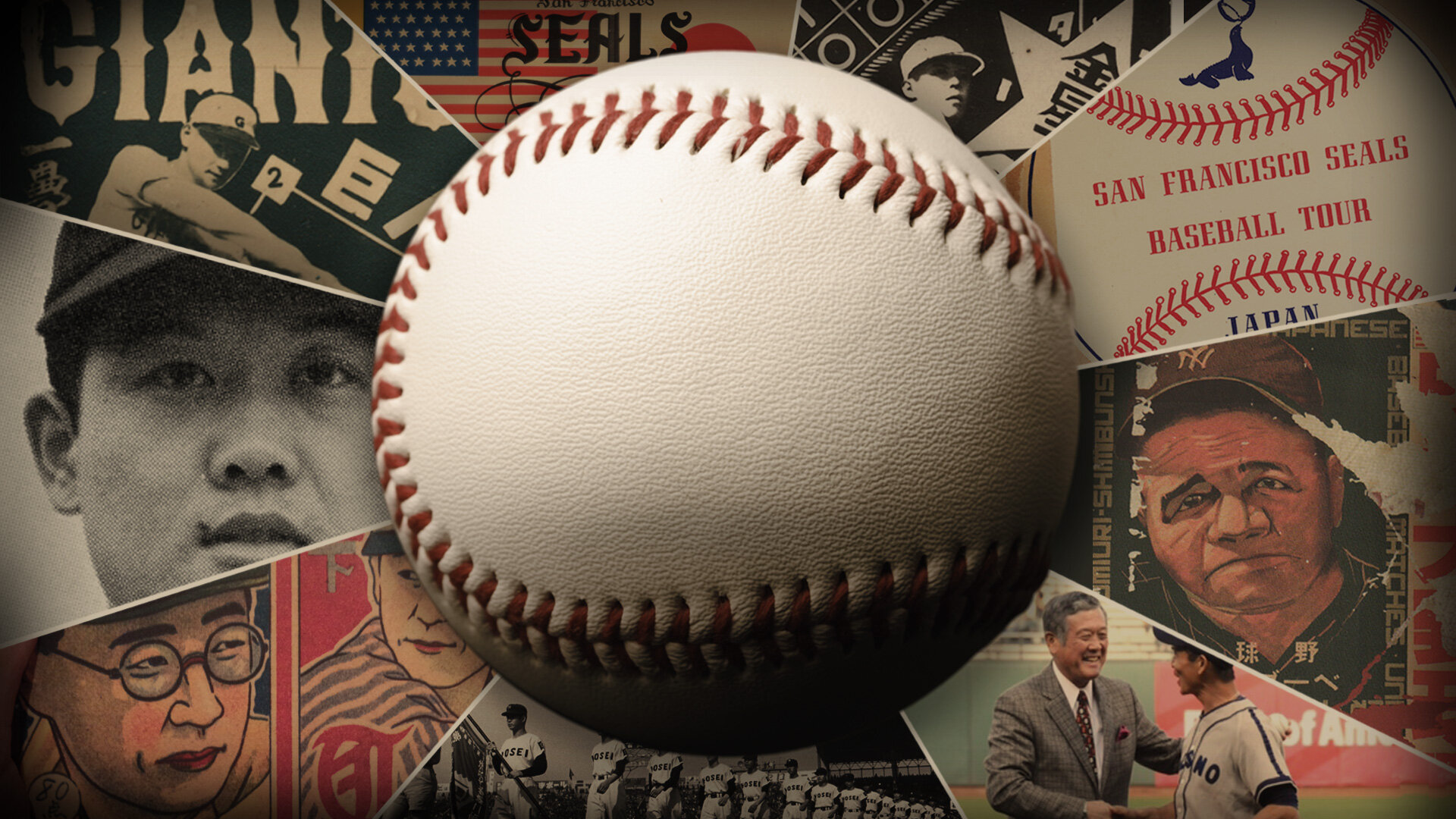
While diplomats in Beijing and Tokyo trade barbs over semiconductor export controls and disputed waters, the real contest for influence is playing out on the dirt of a baseball diamond. This is not about home runs or earned run averages. It is about a calculated move by Taipei to use its national pastime as a geopolitical wedge. By positioning itself as the bridge between Japanese sports culture and Chinese regional sensitivities, Taiwan is turning the baseball stadium into a venue where traditional statecraft has failed.
The tension between China and Japan is a permanent fixture of the Asian political map. It is a slow-burning friction over history, territory, and trade. Usually, when these two giants clash, smaller players in the region duck for cover. Taiwan is doing the opposite. It is stepping directly into the line of fire with a baseball bat in hand.
The Soft Power Squeeze in the Pacific
Baseball in Taiwan is more than a sport; it is a colonial inheritance that became a national identity. Under Japanese rule, the game was a tool of assimilation. After the KMT arrival, it became a symbol of defiance. Today, it serves as the most effective tool in Taipei's "unofficial" diplomatic kit. When a Japanese team plays a Taiwanese team, it isn't just a friendly match. It is a signal to Beijing that the cultural and historical ties between Taipei and Tokyo remain unbreakable despite China's attempts to isolate the island.
Beijing views these sports exchanges with deep suspicion. To the CCP, a Taiwanese baseball team receiving a warm welcome in a Japanese stadium is a visual manifestation of the "Two Chinas" or "One China, One Taiwan" concept they spent decades trying to erase. Every time a Japanese official sits in the VIP box with a Taiwanese representative at a game, a diplomatic protocol is breached in the eyes of the mainland.
Why the Baseball Diamond Matters More Than the Negotiation Table
Traditional diplomacy is rigid. It requires flags, anthems, and official recognitions that trigger immediate "wolf warrior" responses from Chinese foreign ministry spokespeople. Baseball is different. It provides a layer of plausible deniability. It is "just a game." This allows Japanese and Taiwanese officials to meet in the shadows of the dugout, away from the harsh glare of official state visits.
The Mechanics of the Three Way Friction
The dynamic is a triangle of resentment and necessity.
- Tokyo needs Taiwan as a security buffer and a stable partner in the high-tech supply chain.
- Taipei needs Japan to champion its inclusion in regional trade blocs like the CPTPP.
- Beijing needs both to recognize its regional hegemony, which is undermined every time a "sporting event" looks like a state visit.
Consider the recent surge in Japanese players joining the Taiwanese league and vice-versa. This movement of human capital creates a shared professional ecosystem. When fans in Osaka cheer for a Taiwanese pitcher, they are building a grassroots affinity that makes it much harder for the Japanese government to abandon Taipei during a crisis. It is the ultimate insurance policy.
The Economic Curveball Behind the Game
We cannot ignore the money. The business of baseball in East Asia is worth billions, and the integration of the Japanese and Taiwanese markets creates a powerhouse that excludes China. While China has tried to jumpstart its own professional baseball leagues, they have largely failed to gain traction. The lack of a "baseball culture" in the mainland means they are locked out of this specific channel of soft power.
Taiwanese corporations, many of which are the backbone of the global tech industry, are the primary sponsors of these baseball exchanges. These companies use the sport to solidify their brands in the Japanese market. It is a corporate-led diplomacy that the Taiwanese government encourages but does not officially own. This separation of powers makes it incredibly difficult for Beijing to apply direct pressure. If they sanction a Taiwanese tech firm for sponsoring a game in Tokyo, they risk disrupting their own supply chains.
The Risky Reality of Playing the Middle
This isn't a strategy without its dangers. Japan is walking a razor-thin wire. On one hand, the Japanese public overwhelmingly supports Taiwan. On the other, the Japanese business elite is terrified of losing access to the Chinese market. Every high-profile baseball event that emphasizes the Japan-Taiwan bond risks a retaliatory "gray zone" maneuver from China, such as a sudden ban on Japanese seafood or electronics.
Taipei knows this. They are betting that the cultural weight of baseball is heavy enough to anchor Japan to their side, even when the economic winds blow from the West.
A Calculated Provocation
Last year, the presence of Taiwanese officials at a Japanese tournament wasn't an accident. It was a test. It was designed to see exactly how much "unofficial" activity Beijing would tolerate before snapping. The silence from the mainland was telling. It suggests that even the CCP recognizes the optics of attacking a children's or professional sporting event are terrible. It makes them look like the regional bully.
The New Map of East Asian Influence
As we look at the shifting alliances in the Pacific, the focus is often on missiles and microchips. But the emotional resonance of a shared sport is what sustains those harder alliances. If Japan and Taiwan can continue to integrate their baseball cultures, they create a social barrier against Chinese expansionism that is arguably as effective as a naval blockade.
This is the diamond diplomacy. It is subtle, it is public, and it is infuriatingly hard for China to counter without looking desperate. While the diplomats at the UN bicker over wording, the crowds in the stadiums of Taipei and Tokyo are already speaking a common language.
The next time a Taiwanese pitcher takes the mound in a Japanese stadium, look past the scoreboard. The real game is happening in the luxury boxes and the press rooms, where the future of the regional order is being negotiated one inning at a time. Every strikeout is a message, and every home run is a defiance of the status quo that Beijing is so desperate to maintain.
Pay attention to the scheduling of these "friendship" games. They almost always coincide with periods of high tension in the South China Sea or around the Taiwan Strait. This is no coincidence. It is a deliberate deployment of cultural assets to remind the world that the Pacific is not a Chinese lake. The crack of the bat is the sound of a middle power refusing to be silenced.
If you want to understand the next decade of Asian geopolitics, stop reading white papers and start checking the box scores. The strategy is hiding in plain sight, dressed in a baseball uniform and backed by a stadium full of cheering fans who know exactly what is at stake.