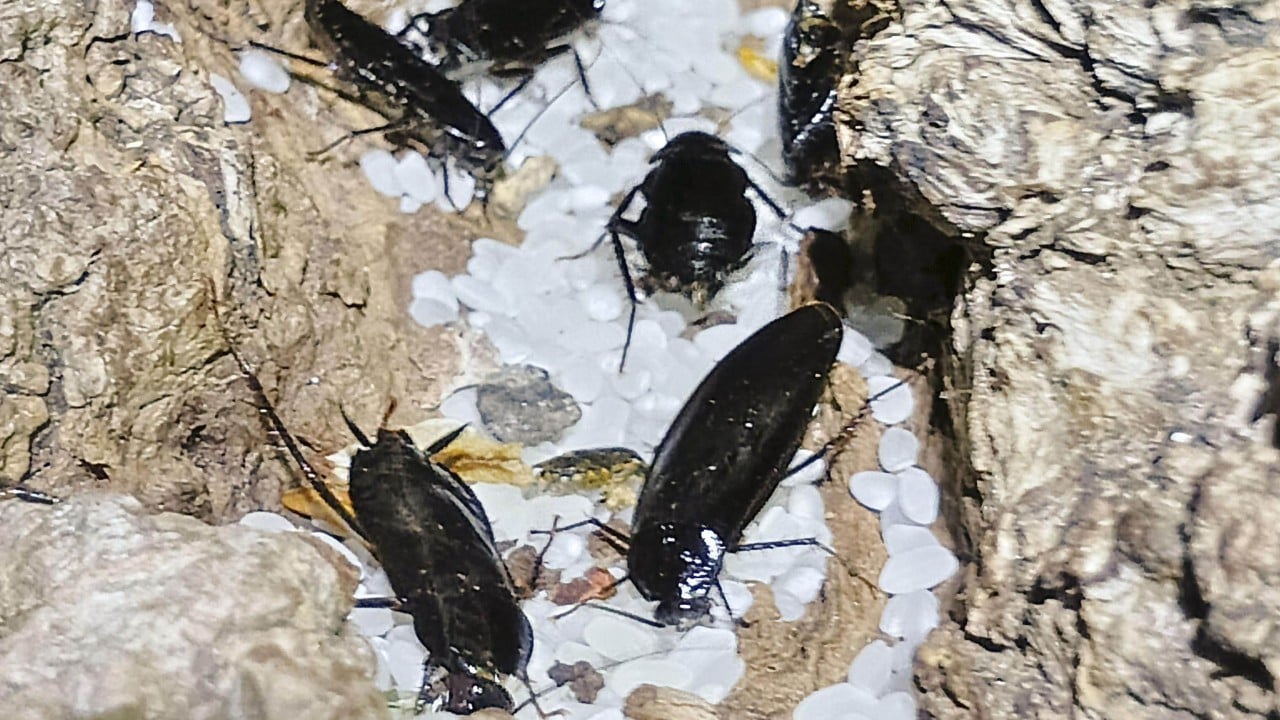
Geographic barriers protecting regional ecosystems from biological invasions are decaying under systematic thermal shifts. For decades, Japan’s northernmost main island of Hokkaido maintained a reputation as a functional zoological exception, shielded from the dense cockroach populations saturating Honshu and southern regions. That regional insulation has failed. Rising ambient temperatures, coupled with modern architectural adaptations and logistics expansion, have established a permanent vector footprint across northern municipalities like Sapporo. Analyzing this shift requires moving past anecdotal observations of seasonal discomfort to evaluate the structural mechanics driving urban pest proliferation in cold climates.
The Macro Thermal Vector
The baseline climate of Hokkaido has shifted beyond historical distribution parameters. Meteorological data confirms that average daytime summer temperatures across the island have climbed to 23 degrees Celsius, with major urban centers regularly hitting 29 degrees Celsius—representing a 1.5-degree increase over a thirty-year window. Microclimates in metropolitan districts now frequently spike to 35 degrees Celsius during peak summer periods. Simultaneously, winter minimums have moderated, reducing the thermal severity that previously served as a natural population bottleneck.
Biological systems governed by ectothermic physiology experience accelerated metabolic and reproductive rates under rising thermal baselines. For Blattodea species, ambient warmth directly shortens developmental cycles from egg to adult while increasing frequency of reproduction. The historical constraint—where sub-zero winter temperatures incapacitated colonies lacking frost-hardy adaptations—has been systematically neutralized by atmospheric warming.
Architectural Microclimates and Urban Heat Retention
Climate shifts alone do not account for successful biological colonization. The primary vector mechanism relies on the intersection of macro-warming and structural engineering. Modern construction standards in northern regions prioritize extreme thermal retention to combat historical cold. Double-glazed windows, advanced insulation envelopes, and continuous interior heating systems create artificial thermal zones that persist year-round.
This urban heat island effect generates a protected sub-ecosystem inside residential and commercial complexes. While exterior environments remain hostile during winter, interior spaces mimic subtropical baselines. Three specific resilient varieties—the black cockroach, the brown-banded cockroach, and the locally adaptable Japanese cockroach—exploit these anthropogenic microclimates. Architecture designed to conserve heat for human habitation inadvertently provides an optimal thermal envelope for invasive insects.
The Logistics Supply Chain as a Transport Vector
Climate and shelter establish survivability, but geographic transport drives initial distribution. Hokkaido operates as a net importer of consumer goods, foodstuffs, and industrial supplies originating from Honshu and southern manufacturing hubs. The rapid scaling of e-commerce, just-in-time supply chains, and automated distribution networks creates an uninterrupted vector pathway.
Cardboard packaging, storage containers, and commercial freight act as transport vectors carrying oothecae (egg cases) directly across the Tsugaru Strait. Unlike active migration through open terrain—which remains limited by residual cold weather barriers—passive transport via commercial logistics bypasses geographic friction entirely. Once inside regional distribution warehouses or residential entry points, specimens transition directly into climate-controlled interior networks.
Economic and Operational Countermeasures
The transition from a pest-free baseline to an endemic population requires a recalibration of regional property management and municipal health expenditure. Chemical defense markets reflect this structural pivot; commercial repellant and insecticide sales targeting cockroaches within Hokkaido have tracked an average annual increase of six percent over an eight-year observation window. Professional extermination service requests, previously negligible, have scaled exponentially as commercial and residential entities shift from reactive containment to continuous prophylactic management.
Eradication is no longer a viable strategic objective once a breeding population establishes footholds across interconnected urban infrastructure. The economic focus must instead shift to friction maximization—reducing moisture availability, eliminating structural harborage zones within storage areas, and implementing rigorous supply-chain screening protocols at commercial distribution entry points. Real estate developers must factor vector control into insulation and HVAC engineering, balancing thermal retention efficiency against the risk of creating permanent internal habitats for cold-sensitive organisms.
Deploy building-level audit protocols that mandate immediate cardboard removal from sub-floor storage, enforce airtight sealing around utility penetrations, and integrate thermal cutoff zones in commercial transit docks to arrest vector entry before interior colonization occurs.
Cold comfort: Japan’s Hokkaido battles cockroach surge amid global warming
This video provides a visual overview of how climate shifts and urban aging are accelerating insect population surges.
http://googleusercontent.com/youtube_content/1