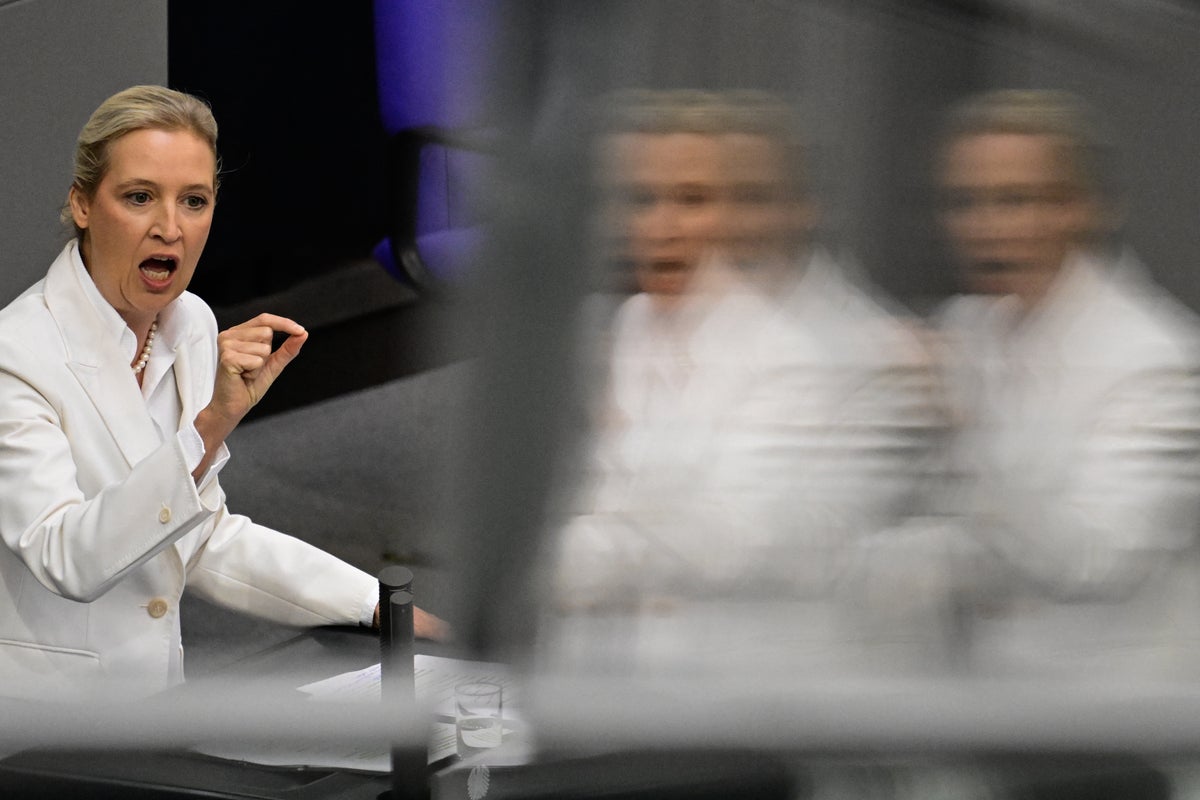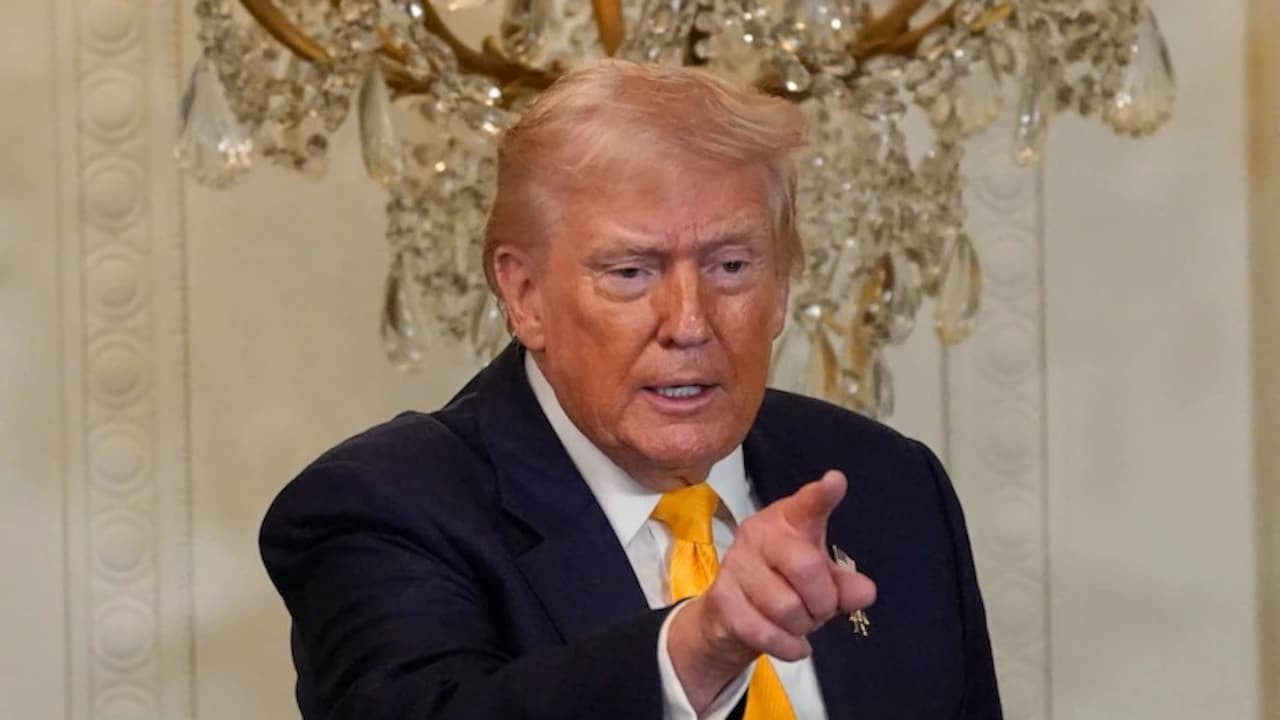
The media is having a collective meltdown because Donald Trump handed out forty-five thousand dollar holiday cash gifts to a few loyal aides, including executive assistant Natalie Harp. Ethics watchdogs are clutching their pearls, former government lawyers are citing obscure statutes, and pundits are shrieking about salary supplementation.
They are missing the point entirely.
The lazy consensus in every mainstream newsroom right now is that this is a norm-breaking, borderline-illegal maneuver to buy loyalty or bypass federal compensation caps. That argument relies on a fundamental misunderstanding of how elite political labor works and how modern executives reward hyper-performance.
Look at the math. Natalie Harp, Margo Martin, and Chamberlain Harris pull in roughly one hundred fifty thousand dollars a year working inside the White House. In Washington, DC, that sounds like a respectable salary to anyone living in a fantasy world. Rent a decent one-bedroom apartment near downtown, pay for security, handle the dry cleaning for daily professional appearances, absorb the astronomical cost of living, and watch how fast that sum evaporates. These aides aren't bureaucrats pushing paper from nine to five in a basement cubicle. They are tethered to the most intense, high-visibility principal on earth, working brutal, round-the-clock hours.
The Real Scandal Is What Government Pays Everyone Else
Let us talk about the hypocrisy of Washington compensation. For decades, official Washington has relied on a dirty little secret: young, hyper-ambitious staffers will happily trade their financial futures for proximity to power. Agencies and West Wing offices underpay junior staff because they know the resume clout will make up for the starvation wages.
When a billionaire executive from the private sector steps in and drops his own personal cash to true up the compensation of people who literally carry his schedule and printer across the globe, the system loses its mind. Why? Because it exposes the absolute poverty of public sector pay scales.
Critics like former White House ethics lawyer Richard Painter argue that a president cannot supplement federal salaries from outside pockets because it creates dependency. But let us flip that logic. Imagine a scenario where a private citizen employs a personal staff member at market rates, only for that staff member to enter public service and take a massive pay cut just to keep serving. In the corporate world, retention bonuses and discretionary performance gifts are standard operating procedure. CEOs reward the people who shield them from chaos, manage their communications, and keep operations moving.
Why should working for the American taxpayer mean you are forced into a vow of financial chastity?
The Corporate Boss Versus The Bureaucratic Machine
The institutional establishment hates this because Trump treats the presidency like an enterprise he actually owns and operates, rather than a sacred temple of faceless civil servants. In a standard corporation, if an executive’s chief of staff or personal assistant works seventy hours a week under microscope scrutiny, the boss writes a bonus check out of their own bank account.
Trump has a multi-decade track record of handing out holiday bonuses to people in his orbit, long before he ever walked down an escalator to announce a political campaign. It is paternalistic, it is transactional, and it is entirely transparent—the gifts were formally logged on public financial disclosures.
If someone wanted to hide a bribe or an illicit payoff, they certainly would not itemize it as a "Cash Gift for Holidays" on mandatory Office of Government Ethics forms. The disclosure itself proves the absurdity of the panic. These aides didn'暗 pass funds through a shell company in the Cayman Islands; they reported the money because, under their interpretation of the rules, personal gifts from a billionaire boss out of his own post-tax net worth don't violate the firewall between public duty and private enrichment.
Stop Penalizing Competence
The obsession with Natalie Harp—dubbed the "human printer" by cynical press corps members mocking her for keeping hard copies of data ready for a boss who hates digital screens—reveals a deep disdain for loyalty. The media focuses on her background at One America News and her unswerving dedication, framing her utility as a joke.
Yet every high-powered executive has an inner circle of operators who absorb the friction of daily life. In Silicon Valley, top executive assistants are compensated like junior executives because their gatekeeping is invaluable. In Washington, we pretend that everyone must subsist on government pay scales while managing multi-billion-dollar political operations.
If you want a government staffed exclusively by independent wealth where only trust-fund kids can afford to serve as aides, keep hyperventilating over holiday cash gifts. If you want a system where performance is rewarded by the person benefiting from it, stop pretending a boss taking care of his people is a constitutional crisis.
Pay your operators.