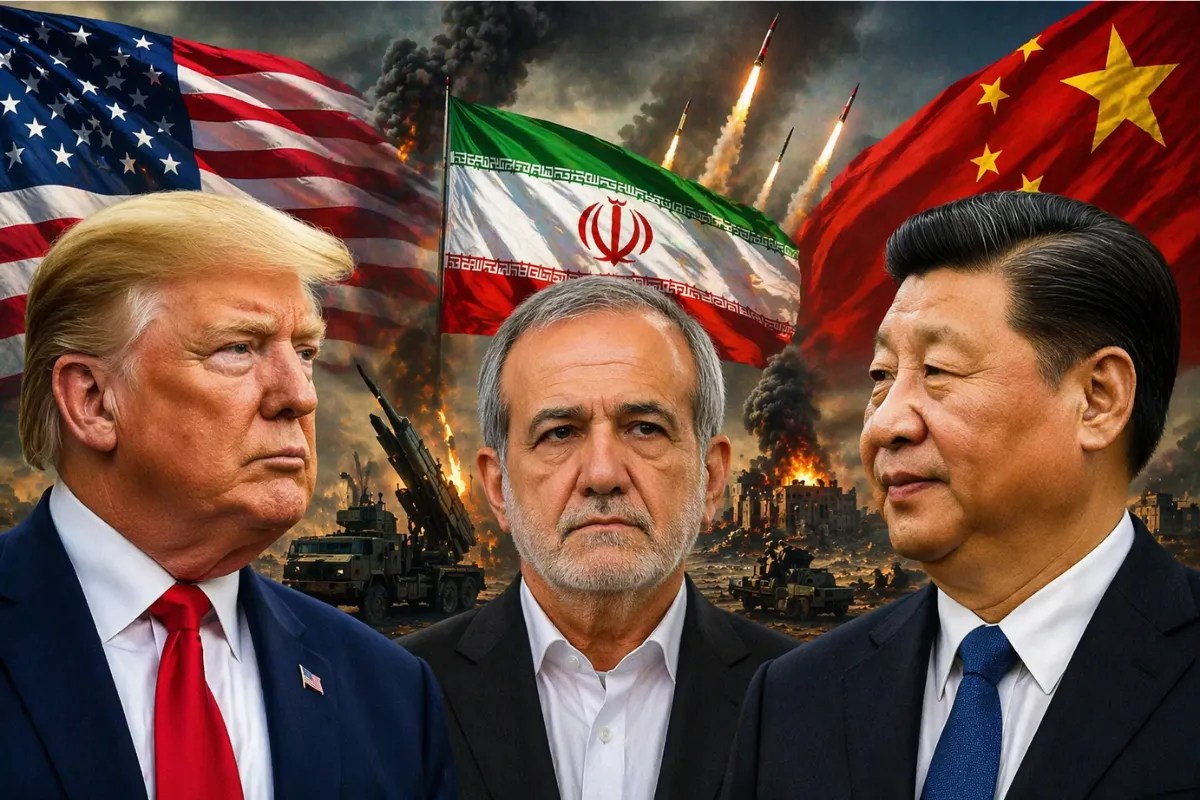
Stop pretending that financial blockades stop sovereign states from trading. Western commentary on Tehran and Beijing treats trade sanctions like magic spells that instantly freeze commerce, as if a multi-billion-dollar energy relationship can be erased by a bureaucratic decree from the US Treasury. Headlines screech about hidden networks, covert barter channels, and shadowy special purpose vehicles as though someone uncovered a secret conspiracy. There is no conspiracy. There is only basic economic gravity reacting to poorly designed geopolitical coercion.
For years, the mainstream consensus assumed that secondary sanctions and naval choke points would force Beijing to choose between the global dollar system and Iranian crude. That assumption was fundamentally flawed. It miscalculated how deeply China values energy security and how easily modern supply chains bypass SWIFT when the incentives to defect from Washington’s orbit outweigh the penalties.
The Mechanics of the Barter Illusion
Look closely at how the crude-for-goods pipeline actually operates. When Kpler data shows China absorbing over eighty percent of Iran's exported oil, Western analysts act baffled by how the bills get paid without touching traditional international banking channels. They call it a clandestine financial lifeline.
It is not clandestine; it is structural architecture.
Imagine a scenario where a state-backed oil buyer deposits hundreds of millions of dollars a month into an obscure domestic entity like ChuXin, routing seventy percent into domestic infrastructure projects and the rest into a ring-fenced special purpose vehicle managed jointly with bodies like China's Ministry of Commerce and the Central Bank of Iran. The Chinese manufacturer shipping the vehicles, communications equipment, or even air defense systems never deals with Tehran directly. They get paid in domestic currency by a local entity. The paper trail stays inside national borders.
Washington cannot sanction a payment network that never leaves Beijing's domestic jurisdiction. This is not an evasion loophole; it is a feature of a parallel financial ecosystem designed precisely to neutralize the weaponization of the dollar.
The Myth of Plausible Deniability
The lazy consensus claims that Beijing maintains strict deniability to avoid Western wrath. When foreign ministries issue standard statements claiming they are "not familiar with the situation," mainstream journalists report it as diplomatic cover.
That is naive. Beijing is not hiding its actions out of fear; it is managing a transition.
Andrea Ghiselli at the University of Exeter nailed the actual dynamic when pointing out that these arrangements prove Beijing refuses to bow to coercion. But analysts miss the corollary: Washington knows exactly what is happening. When the US Treasury issues broad threats about cutting off institutions from the dollar network, they are shouting at a wall. Total economic isolation only works if the target has no alternative markets. When the world's largest energy consumer meets a sanctioned producer sitting on massive reserves, market forces will always punch a hole through any blockade.
The billions routed through these channels over the past year represent a drop in the bucket for the Chinese economy, yet they provide an insurmountable oxygen supply to Tehran. Every barrel of discounted crude flowing eastward renders Western leverage slightly more obsolete.
Dismantling the Ostracization Playbook
People ask whether tighter naval restrictions in the Strait of Hormuz or aggressive snapback mechanisms at the United Nations can finally choke off this trade.
The premise of the question is broken. It assumes that physical blockades and legalistic UN resolutions carry weight in a multipolar trade network that operates entirely outside Western maritime insurance and banking oversight. If tankers stop moving through one narrow channel, ship-to-ship transfers multiply in open waters. If traditional intermediaries get burned, new regional entities take their place. You cannot blockade a bilateral relationship between two nations that control their own borders and share a land-sea continuum immune to Western patrols.
The real story is not how Iran manages to trick US intelligence to buy Chinese goods. The real story is that Washington's economic playbook is running on legacy software while the rest of the world has already upgraded its hardware. Stop looking for hidden tricks in the data. Look at the structural reality: the dollar's monopoly on global trade is fracturing, and bilateral barter is the hammer doing the damage.