The mission creep began less than forty-eight hours after the first Tomahawks hit Tehran. When Donald Trump authorized Operation Epic Fury on February 28, 2026, the stated goal was the surgical dismantling of Iran’s missile infrastructure to "prevent an imminent threat." By the first week of March, that objective had morphed into a demand for "unconditional surrender." By mid-March, it shifted again, with the administration suggesting that the war was "very complete" while simultaneously ordering the most intense bombing campaign of the conflict to date. This is not just a collection of shifting goalposts; it is a calculated doctrine of unpredictability that has left global markets reeling and the Pentagon scrambling to define what "victory" actually looks like.
The current conflict is the culmination of a "Maximum Pressure 2.0" campaign that began the moment Trump returned to the Oval Office in 2025. While the administration initially sought a "better deal" through economic strangulation and 25% tariffs on any nation trading with Tehran, the failure of diplomacy in Geneva last month provided the spark for kinetic action. Now, three weeks into a war that was supposed to last "four weeks or less," the United States finds itself at a crossroads: either declare a hollow victory and withdraw, or commit ground troops to secure nearly 1,000 pounds of enriched uranium buried under the rubble of the Fordow and Natanz facilities.
The Mirage of the Four Week War
The timeline for this conflict has been elastic from the start. On March 1, the President told the press the war would be over in a month. By March 2, he was already hedging, stating the U.S. has the "capability to go far longer." This rhetorical flexibility serves a specific purpose in the Trump foreign policy playbook. By refusing to commit to a firm end date, the administration keeps Tehran off-balance, but it also creates a vacuum where strategic objectives are replaced by optics.
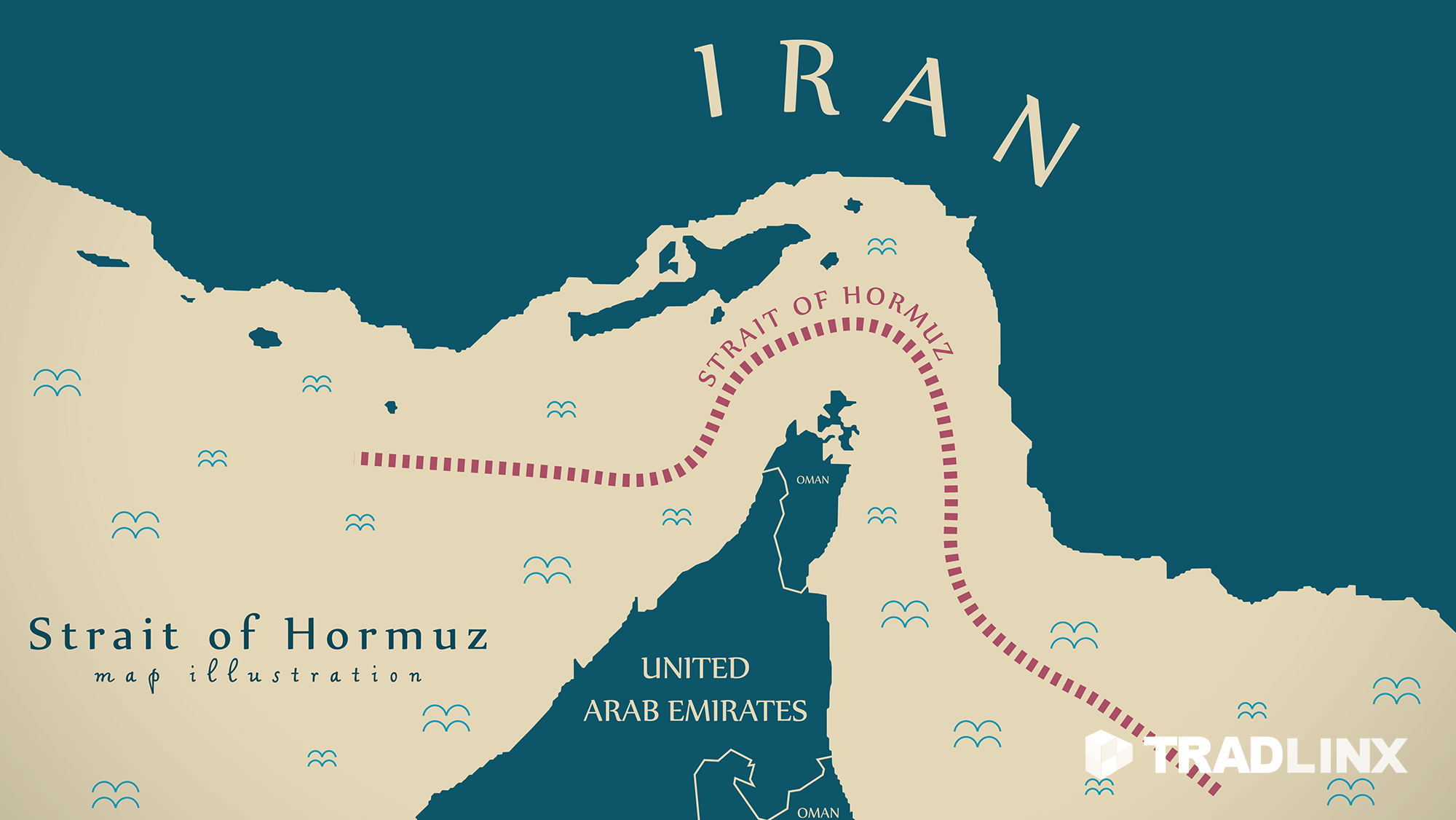
Internal documents and public briefings from Secretary of Defense Pete Hegseth suggest a military that is "controlling the throttle," but the throttle is being pulled by domestic economic anxiety rather than battlefield milestones. When oil prices spiked following Iran’s retaliatory strikes in the Strait of Hormuz, the White House briefly pivoted toward "winding down" operations. When prices stabilized, the rhetoric sharpened back to "ultimate victory."
The reality on the ground contradicts the "mission accomplished" undertones of recent Truth Social posts. While the initial wave of strikes successfully took out senior leadership, including Ali Khamenei, the "Axis of Resistance" remains functional. Hezbollah and various militias in Iraq and Syria continue to target U.S. assets, proving that decapitating the head of the snake did little to neutralize the venom in its tail.
Tactical Success vs Strategic Failure
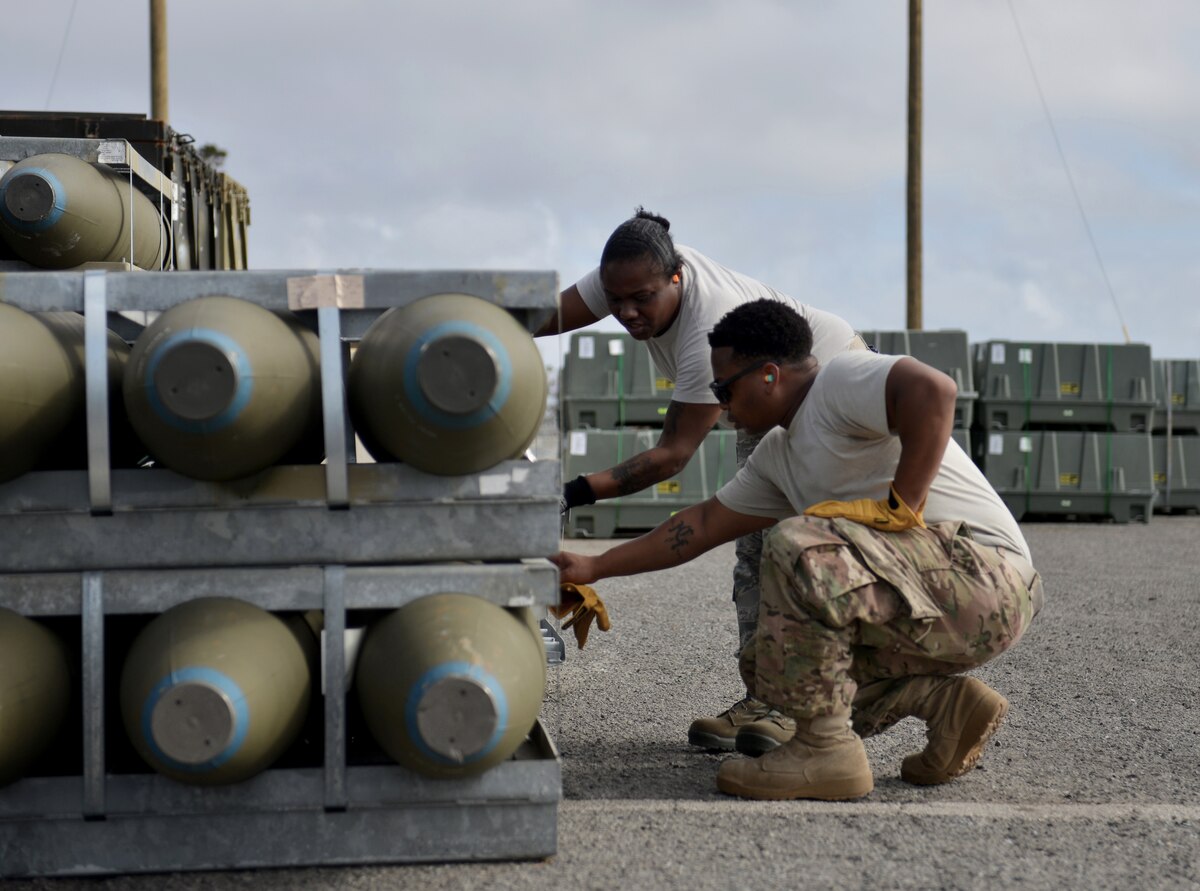
From a purely technical standpoint, the U.S. and Israeli air campaigns have been devastating.
- Missile Degradation: Over 190 ballistic missile launchers have been confirmed destroyed.
- Naval Neutralization: The Iranian Navy has lost 120 vessels, effectively ending its ability to conduct conventional surface warfare.
- Air Superiority: Iranian air defenses were crippled in the first twelve hours, allowing U.S. drones and bombers to operate with near-total impunity.
However, the "why" behind these strikes remains a moving target. If the goal was to stop a nuclear breakout, the June 2025 strikes on nuclear sites were supposed to have already "obliterated" the program. If the goal was regime change, the assassination of the Supreme Leader has only paved the way for more radical hard-liners to seize the interim government. The administration is now facing the "pottery barn" rule of the Middle East: they broke the Iranian state, and now they are responsible for the radioactive shards.
The most dangerous byproduct of this shifting strategy is the status of Iran’s enriched uranium.
Strategic analysts warn that without a physical presence on the ground to secure the material, the bombing campaign may have actually made the world less safe. High-grade uranium is currently sitting in unsecured, damaged bunkers. If "Epic Fury" ends today, that material becomes the ultimate prize for any extremist faction emerging from the chaos of Tehran’s power vacuum.
The Economic Backfire and the China Factor
This war is being fought as much in the global markets as it is in the skies over Isfahan. The administration's decision to temporarily lift sanctions on Iranian oil—just weeks after vowing to drive exports to zero—reveals the core tension of the Trump doctrine. You cannot wage a total war on a major energy producer while promising $2.00 gas at home.
The strategy also rests on a gamble regarding China and Russia. While the White House expected Beijing to buckle under the threat of massive tariffs, China has instead acted as a silent partner to Tehran’s remaining hard-liners, providing satellite intelligence and cyber-warfare support. Russia, while publicly condemning the strikes, has benefited from the surge in energy prices, using the windfall to further its own regional interests.
The administration’s "clear the board" philosophy—neutralizing Iran to focus on the Indo-Pacific—is failing because the board refuses to stay clear. Every strike in Iran draws more resources, more carrier groups, and more political capital away from the South China Sea.
The Nuclear Ground Game
The question of ground troops is no longer a "if" but a "when," despite the President’s campaign promises to avoid "endless wars." Securing the 970 pounds of enriched uranium requires specialized teams and a massive security perimeter.
"You can't vacuum up bomb-grade uranium from 30,000 feet," says one former NSC official. "If you want to ensure they never have a weapon, you have to go in and take the fuel."
This is the ultimate trap of the current policy. To achieve the one consistent goal—a non-nuclear Iran—Trump may have to authorize the very thing he spent a decade campaigning against: a large-scale ground intervention in the heart of the Middle East.
The conflict has reached a point of diminishing returns. The "hardest hits" have been delivered, the leadership has been decimated, and the economy of the Islamic Republic is in a state of total collapse. Yet, without a defined political exit strategy or a credible partner for negotiations, the United States is essentially "drilling for oil in a graveyard."
The war will likely end not with a treaty or a surrender ceremony on the deck of a carrier, but with a sudden, unilateral declaration of victory triggered by a domestic stock market dip. When the "throttle" is finally closed, the U.S. will leave behind a shattered nation, a more motivated set of proxies, and a nuclear problem that has merely been buried under a few more layers of concrete.
The next step for the administration is determining whether the risk of a "dirty" nuclear breakout outweighs the political cost of a ground mission at Fordow. Would you like me to analyze the specific troop requirements for a tactical extraction of nuclear materials in a high-threat environment?