The skies over Ukraine remain the primary battleground where the trajectory of this entire war is decided. When French President Emmanuel Macron announced a fresh, accelerated shipment of air defense interceptor missiles following brutal daylight strikes on cities like Kryvyi Rih, it wasn't just standard diplomatic posturing. It was a scramble to plug a gaping hole in European security. Kyiv's stockpiles for systems like the US-made Patriots are running dangerously thin, exactly while Moscow ramps up high-speed ballistic assaults designed to overwhelm civilian infrastructure.
You don't have to look far to understand the urgency. Every single day, residential neighborhoods, railway hubs, and commercial centers absorb waves of drones and missiles. When Macron spoke with Ukrainian President Volodymyr Zelenskyy following the devastating attack in Kryvyi Rih that left dozens dead and wounded, the focus immediately shifted to hardware that can actually stop ballistic threats. Words of sympathy are cheap. Interceptor missiles are not. If you liked this post, you should look at: this related article.
The Reality Behind the Air Defense Scramble
Let's be honest about how modern air defense works. You can have brilliant tactical strategies on paper, but if your launch tubes are empty, your cities are sitting ducks. Russia knows this arithmetic. By intensifying double-tap strikes and utilizing fast-flying ballistic vectors, Moscow aims to exhaust the remaining inventory of western-supplied interceptors.
France is trying to counter this by leaning heavily into the Anti-Missile Coalition formed in Paris, pushing to deploy specialized systems like the SAMP/T while granting local production licenses so Ukraine can manufacture critical components domestically. This marks a major shift from purely handing over spare parts to building sustained, independent defense manufacturing right inside a warzone. For another perspective on this development, check out the recent update from The Guardian.
Immediate Priority: Replenishing depleted Patriot and European anti-ballistic interceptors.
Secondary Goal: Securing domestic manufacturing licenses to ensure long-term supply resilience.
Diplomatic Line Drawing Ahead of the Coalition Summit
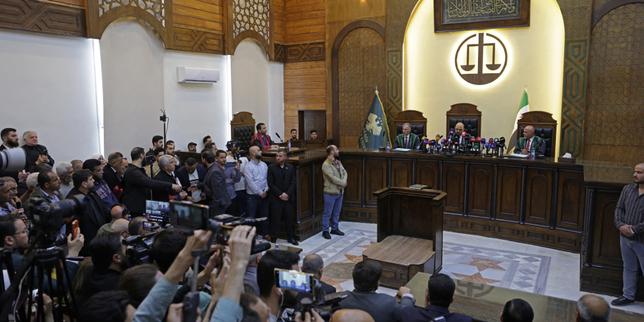
Military aid doesn't happen in a vacuum. Macron's announcement lands right on the doorstep of a high-stakes gathering of the Coalition of the Willing in Kyiv, where European leaders are hashing out security guarantees and pressure tactics. The diplomatic messaging accompanying these arms deliveries is sharp and unapologetic. Paris maintains that Russia's relentless targeting of civilians exposes strategic weakness rather than strength, a psychological play to counter Kremlin narratives.
At the same time, European powers are trying to close ranks against donor fatigue. With leaders from Britain, Germany, and the European Union coordinating closely with Kyiv, the objective is to force international partners who are hoarding Patriot stocks to hand them over.
What Comes Next for the Frontline Skies
The friction points are obvious. Manufacturing advanced interceptor missiles takes years under normal conditions, let alone under threat of constant blackouts and factory bombings. Licensing local production helps bypass supply chain bottlenecks, but it requires robust, hardened infrastructure that can survive continuous air raids.
If Europe successfully delivers these interceptors and ramps up joint production lines, Ukraine stands a fighting chance of stabilizing its urban skies. If the bureaucratic drag continues, the cost will be measured directly in civilian lives. The upcoming coalition talks in Kyiv will test whether western allies can translate emergency pledges into ironclad protection before the next wave hits.