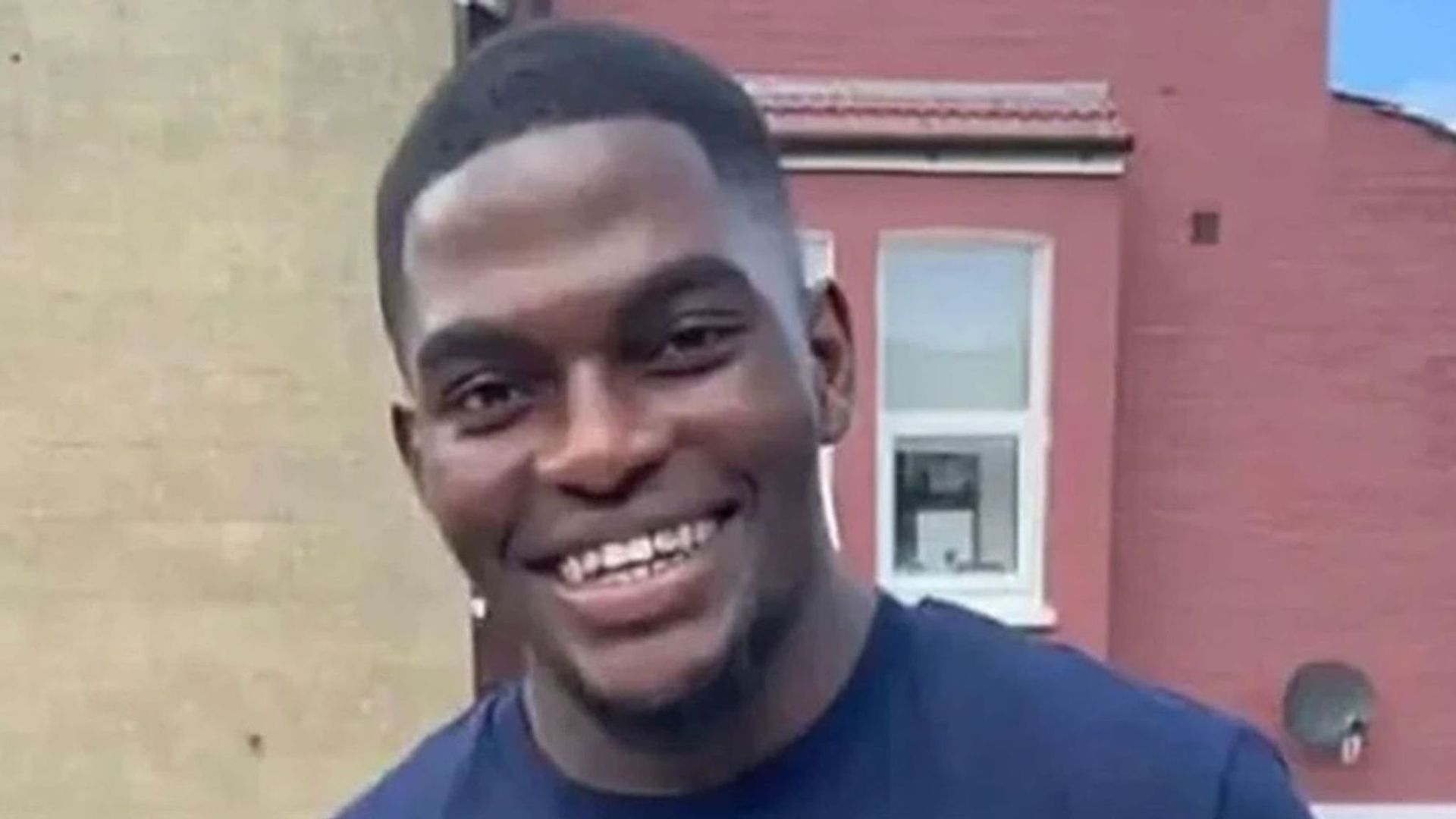
The watchdog looking into police standards just drew a hard line. Sergeant Martyn Blake will face zero disciplinary proceedings.
If you've followed the fallout of the Chris Kaba case, you know this update marks a massive shift. The Independent Office for Police Conduct confirmed the U-turn. It stems directly from a recent legal adjustment shifting the threshold for police use-of-force misconduct cases down to match criminal law standards.
Let's break down what actually happened, why the watchdog dropped the case, and what this means for accountability moving forward.
The Legal Shift That Changed the Outcome
Back at the Old Bailey, a jury cleared Sergeant Blake of murder. That criminal acquittal didn't instantly clear him of internal career consequences. Originally, the watchdog planned to push ahead with gross misconduct hearings anyway.
Then the government stepped in.
Regulations surrounding police use of force changed. The legal test required to prove misconduct moved from a civil standard to the much higher criminal threshold. Because of that update, continuing with disciplinary action no longer made sense under the new framework.
Amanda Rowe, the IOPC director of engagement, pointed out that pushing forward would create unfairness. An officer could face dismissal for actions that wouldn't even clear the bar for misconduct under current rules.
Divided Reactions Across Policing and Campaigns
Unsurprisingly, the decision opened up a massive chasm between police leadership and campaigners.
Metropolitan Police Commissioner Sir Mark Rowley welcomed the news. He argued it brings closure to nearly four years of intense strain for firearms commands. Rowley has spent months calling the old accountability system broken, claiming it leaves officers terrified to make split-second operational choices.
Paula Dodds from the Metropolitan Police Federation echoed that sentiment. She stated that officers need clear policies backing up lawful training decisions without risking their livelihoods.
On the flip side, campaigners didn't hold back.
Temi Mwale from the Justice for Chris Kaba Campaign called the choice a devastating blow. Representatives from the charity Inquest argued the move signals a dangerous erosion of oversight. They believe dropping the proceedings tells the public that officers operate above regular consequences.
What Happens Next for Accountability
With disciplinary routes officially closed, attention shifts entirely. A coroner will determine the next steps regarding a full inquest into the death.
The debate won't quiet down anytime soon. You are looking at a permanent alteration in how armed policing is judged in the UK. When the legal definitions move, the outcomes follow. Expect the friction between public oversight groups and police federations to intensify as these new rules take root across every force.