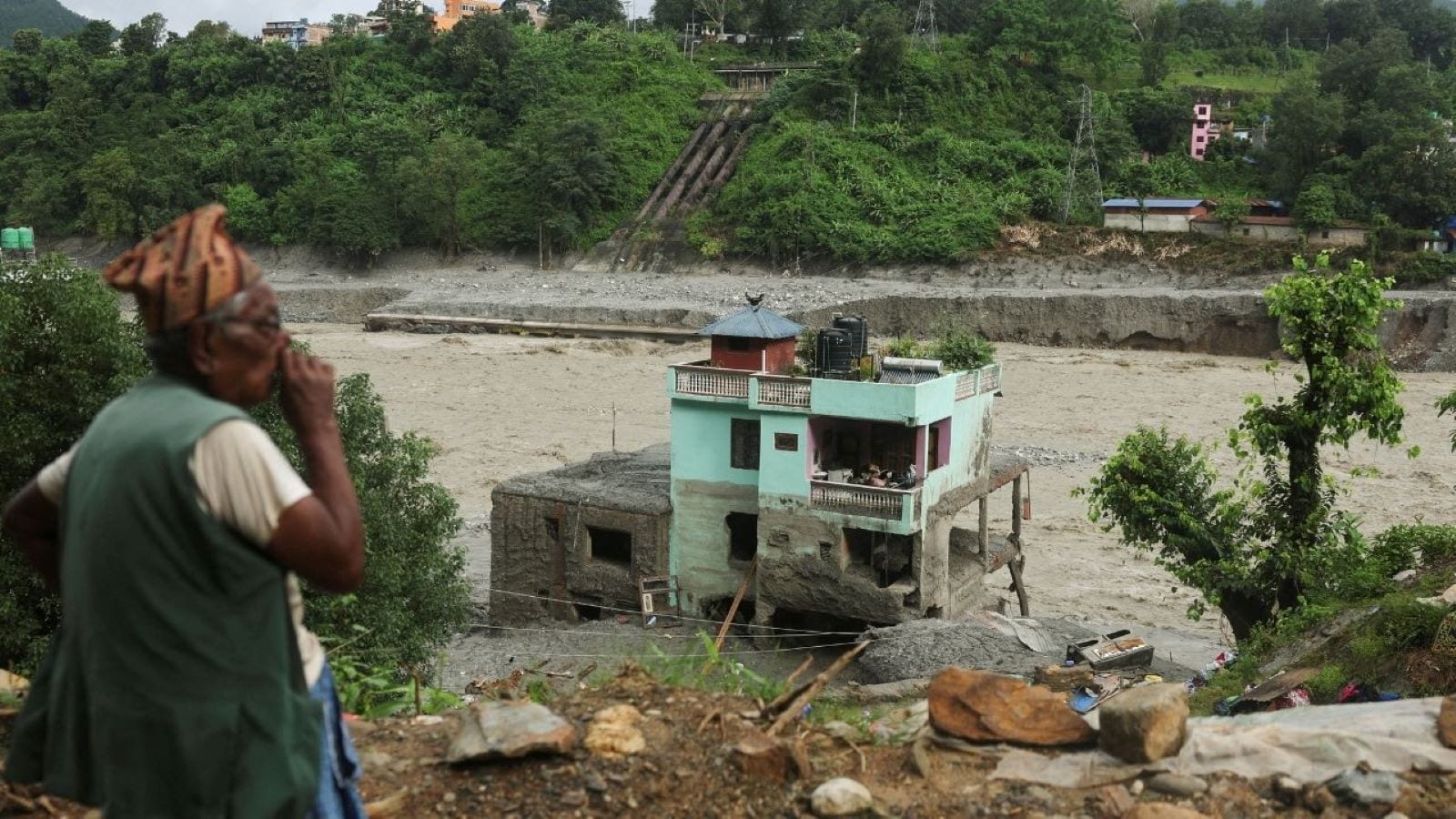
The monsoon does not knock. It arrives as a wall of gray water, stripping hillsides of topsoil and turning mountain creeks into freight trains of stone and mud. When the rains broke over Nepal, the structural flaws of modern rural architecture were laid bare. Survivors of the recent catastrophic flooding point to a specific anomaly that dominated regional disaster reports. A viral green house structure, engineered for commercial agricultural production, became a fatal bottleneck for a trapped family during the peak of the flash floods.
Standard emergency coverage focused entirely on the human interest angle of the rescue. The media praised local resilience and captured the tears of reunion. Yet, the deeper mechanics of why that structure failed remained unexamined. Agricultural modernization initiatives have flooded remote valleys with subsidized high-tunnel greenhouses. These buildings use lightweight galvanized steel frames wrapped in thick ultraviolet-resistant polyethylene sheeting. They are brilliant for retaining heat and humidity for crops. They are entirely unequipped to handle a lateral hydraulic load of four feet of rushing river silt.
The Engineering Oversight Behind Agricultural Plastics
To understand how a greenhouse transforms from an asset into a cage, you have to look at the materials. Standard agricultural film is designed to withstand wind shear from above, not hydrostatic pressure from the side. When monsoon runoff diverted from traditional drainage paths and slammed into the valley floor, the polyethylene skin acted as a containment membrane rather than a shelter. Water pooled against the plastic barrier, trapped by the high-tensile integrity of the metal anchoring system.
Instead of blowing out and allowing the family an escape route, the frame held firm while the interior filled. The occupants found themselves treading water inside their own livelihood.
Local civil engineers who inspected the site afterward noted a profound disconnect in how climate adaptation funds are deployed. Aid agencies prioritize yield protection over structural safety. Farmers receive grants for high-tunnel kits without mandatory flood-zoning assessments or quick-release perimeter panels. When the valley floor became a drainage basin, the very technology meant to lift families out of poverty nearly drowned them.
- High-tensile framing: Galvanized steel pipes anchored deep into concrete footings that refuse to yield under pressure.
- Impermeable membranes: Heavy gauge polyethylene that blocks airflow and traps rising water instead of letting it pass through.
- Siting errors: Placing commercial agricultural structures in historic flood plains due to flat-land scarcity.
Climate Realities Meet Outdated Disaster Response
Nepal sits at the intersection of rapid climatic shifts and fragile geography. Glacial lake outburst floods and erratic monsoons have rewritten hydrological maps across the Himalayas. Despite this, rural zoning laws remain dangerously lax. Families build where the land is flat enough to cultivate, ignoring centuries-old indigenous markers that designate certain zones as seasonal water paths.
The family in question survived because an elderly neighbor recognized the sound of the impending debris flow before the water hit the door lintel. They did not survive because of early warning systems or government-issued evacuation alerts. They survived due to pure, unadulterated luck and thirty seconds of preemptive action.
Official reports often celebrate the heroism of rescue volunteers. While that courage is genuine, relying on neighbors with ropes is not a viable disaster mitigation strategy. The state must transition from reactive rescue operations to aggressive infrastructural overhauls.
Re-Engineering Rural Resilience
Fixing this vulnerability requires confronting uncomfortable economic truths. Subsidy programs cannot simply drop agricultural kits into valleys without evaluating local hydrology. Every high-tunnel installation in a flood-prone zone needs mandatory break-away panels at the base level. These panels would allow sudden water surges to pass through the structure without lifting the entire foundation or trapping occupants inside.
Furthermore, early warning systems must move beyond centralized SMS broadcasts that often fail to reach remote gorges with spotty cellular coverage. Acoustic sensors placed upstream can provide the ten-minute window required to outrun a flash flood.
The viral video of the trapped family served its purpose on social media platforms, generating sympathy and brief outrage. Now the cameras have left the valley. The mud has dried into a hard gray crust over the ruined crops. The steel frames have been straightened, the plastic replaced, and the family is back inside waiting for the next rain.