You'd think a major military strike in the heart of the world’s oil patch would send the cartel into a defensive huddle. Instead, we’re seeing the opposite. Following the joint U.S. and Israeli strikes on Iran this weekend, OPEC+ hasn't just stayed the course—it’s actually leaning into a production boost.
It’s a gutsy move that signals a massive shift in how the world's most powerful oil players view the current volatility. While the initial reaction to falling missiles is usually to tighten the taps and let prices skyrocket, Saudi Arabia and its allies are taking a different path. On Sunday, the "Voluntary Eight" group—which includes heavy hitters like Russia, the UAE, and Kuwait—agreed to hike their output by 206,000 barrels per day (bpd) starting in April.
This isn't just about meeting demand. It's about damage control and keeping a grip on a market that’s currently being whipped around by headlines and drone footage.
Why the Cartel is Adding Barrels During a War
The math here is pretty straightforward, even if the politics aren't. Before the strikes, analysts were only expecting a modest 137,000 bpd increase. By pushing that number to 206,000 bpd, OPEC+ is trying to get ahead of the "war premium."
When trading opens on Monday, Brent crude is likely to gap up significantly. We saw prices hit $73 a barrel on Friday just on the fear of escalation. Now that the escalation is here, the risk of a $100 barrel is back on the table. OPEC+ knows that if prices stay too high for too long, they'll kill global demand and invite more competition from U.S. shale. They’re basically trying to flood the engine just enough so it doesn't overheat.
There’s also the Iran factor. Iran is an OPEC member, but it’s currently the target. With its infrastructure under fire and its retaliation affecting Gulf shipping, Iranian oil is effectively being squeezed out. By increasing their own production, the other members are essentially "taking" the market share that Iran can no longer reliably supply.
The Strait of Hormuz Nightmare
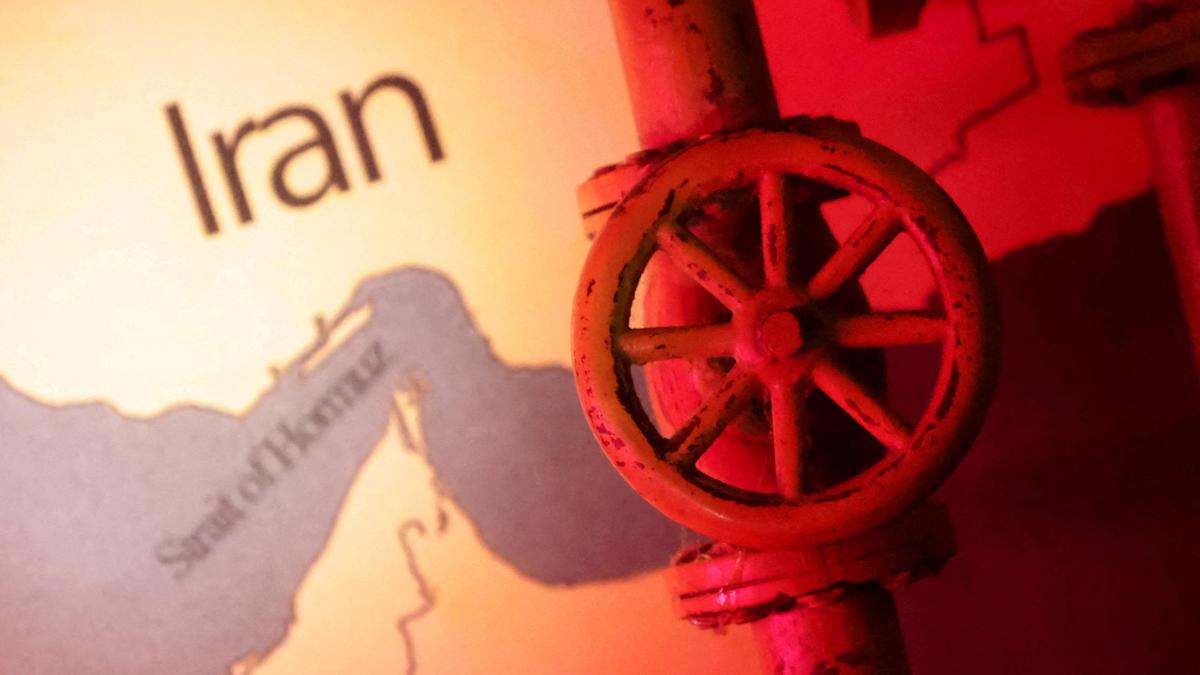
The biggest wildcard isn't what’s being pumped out of the ground; it’s how that oil gets to you. Iran has already issued warnings that the Strait of Hormuz is closed for navigation. If you aren't a geography buff, just know that about 20% of the world’s petroleum flows through that narrow gap.
If the Strait stays closed, it doesn't matter if Saudi Arabia pumps an extra million barrels. Those barrels are stuck in the Gulf.
- Insurance Costs: Shipping insurers are already hiking premiums or canceling contracts for vessels entering the Gulf.
- Alternative Routes: Saudi Arabia can move some oil via its East-West pipeline to the Red Sea, and the UAE has the Adcop pipeline to Fujairah.
- The Gap: These "pressure valve" pipelines can’t handle the full volume. We’re looking at a potential shortfall of 8 million to 10 million bpd if the maritime blockade holds.
Honestly, the 206,000 bpd boost is a drop in the bucket compared to those numbers. It’s a psychological play. It’s OPEC+ telling the market, "We have the oil, and we're ready to sell it," even if the logistics are currently a mess.
Is the Spare Capacity Actually There
There’s a lot of talk about "spare capacity," but let’s be real—only a few countries actually have the keys to the extra taps. Most of the 4.5 million bpd in reserve belongs to Saudi Arabia and the UAE.
Russia is likely tapped out. Their production has been sliding since late 2025, and between drone strikes on their own refineries and the ongoing war in Ukraine, they don't have much left to give. Iraq and Kuwait have some wiggle room, but not enough to change the global needle.
If this conflict drags on, the world is going to find out exactly how much "buffer" we really have. Most estimates suggest the global spare capacity is less than 3% of world supply. That’s a razor-thin margin for error when the Middle East is on fire.
Market Share vs. Price Support
For the last few years, Riyadh has been playing a long game. They’ve moved away from trying to keep prices artificially high at all costs. Instead, they’re focused on reclaiming market share from non-OPEC producers like Brazil, Canada, and the U.S.
Higher prices are great for the balance sheet in the short term, but they're a "buy" signal for every fracking company in West Texas. By keeping the market supplied—even during a regional war—OPEC+ is trying to keep prices in a "Goldilocks zone" (roughly $70 to $90). High enough to pay the bills, but low enough to keep competitors from booming.
What Happens When the Markets Open
Expect a volatile Monday. Traders will be weighing the actual damage in Iran against the OPEC+ promise of more oil. If the Strait of Hormuz shows any sign of a long-term blockage, the OPEC+ boost won't be enough to stop a price spike.
But if the military action stays "contained" and shipping resumes, we might see the price rally fizzle out faster than people expect. We've seen this movie before—geopolitical spikes often have a very short shelf life once the initial shock wears off.
Keep an eye on the official shipping notices from the Gulf. If tankers start moving again through the Strait, the "war premium" will evaporate, and the focus will shift back to the fact that the world is actually producing quite a lot of oil right now.
If you’re looking to hedge against this, check your exposure to energy ETFs or companies with significant production assets outside the Middle East. The real winners in this chaos aren't the ones pumping more in the Gulf—it's the producers in the Americas who get to sell their oil at a "conflict premium" without the risk of their tankers being targeted.