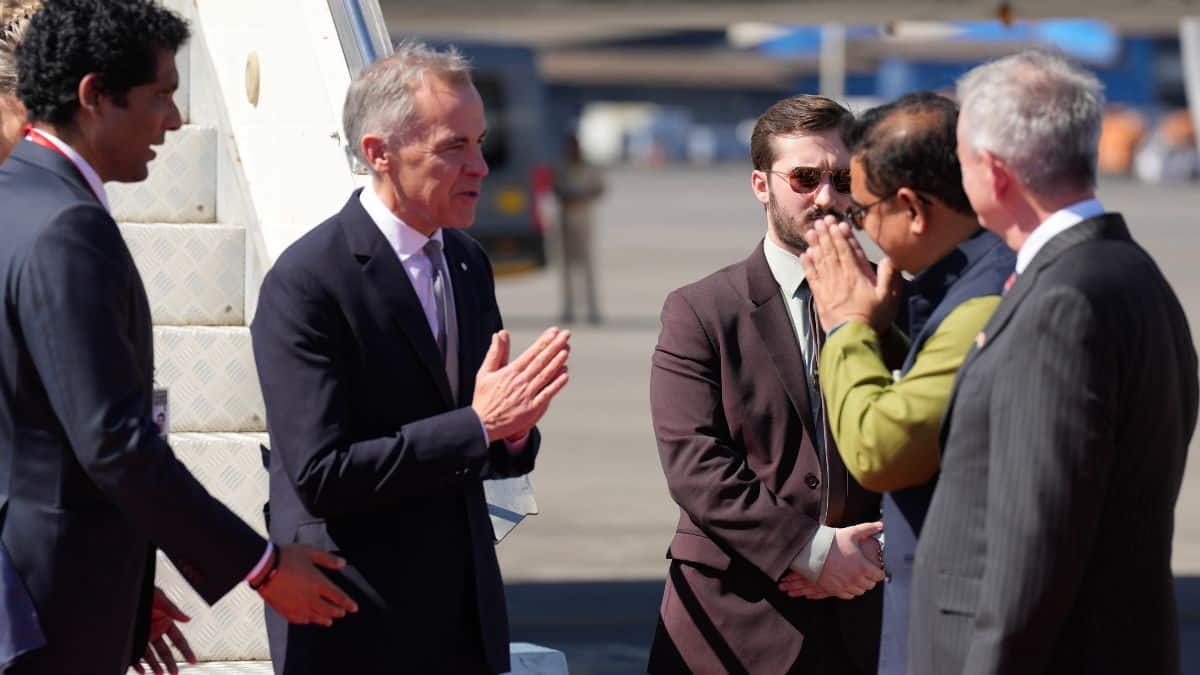
Mark Carney did not go to India to play diplomat. He went because the Canadian economy is staring down a barrel, and New Delhi holds the trigger.
For the better part of two years, the relationship between Ottawa and New Delhi was a wreckage of high-stakes accusations and expelled envoys. The fallout from the 2023 assassination of Hardeep Singh Nijjar and the subsequent claims of "transnational repression" under the Trudeau administration effectively froze one of Canada’s most vital strategic partnerships. But as Carney touches down in Mumbai this week, the tone has shifted from moral grandstanding to cold, hard pragmatism.
The primary driver is a "Trumpian shock" that has fundamentally altered Canada's risk calculus. With 25% tariffs looming from the south and an American administration increasingly hostile to traditional trade norms, Canada can no longer afford the luxury of a diplomatic grudge. Carney’s mission is a desperate, necessary pivot toward the Indo-Pacific, seeking to double bilateral trade to $70 billion by 2030 to offset a fracturing relationship with the United States.
The Cost of the Deep Freeze
When the diplomatic floor fell out in 2024, the damage was not just felt in the halls of the Global Affairs building. It hit the balance sheets. Indian student enrollments—a massive driver of the Canadian "education export" economy—plummeted from 41% of the international student body to just 24% in 2025.
This was not an accident. It was the result of suspended visa services and a narrative of mutual suspicion that made Canada look like a hostile environment. While the previous administration leaned into the rhetoric of sovereignty and justice, the economic reality was that Canada’s seventh-largest trading partner was walking away.
Carney, a man who built his career on the predictable mechanics of central banking, understands that markets hate uncertainty. His "Blue Grit" approach is a departure from the ideological fervour of the Trudeau years. He is moving to de-politicize the security file, tucking the contentious issues of "transnational crime" into structured, quiet liaison channels between National Security Advisers. The goal is to isolate the noise so the money can move again.
Energy as the New Anchor
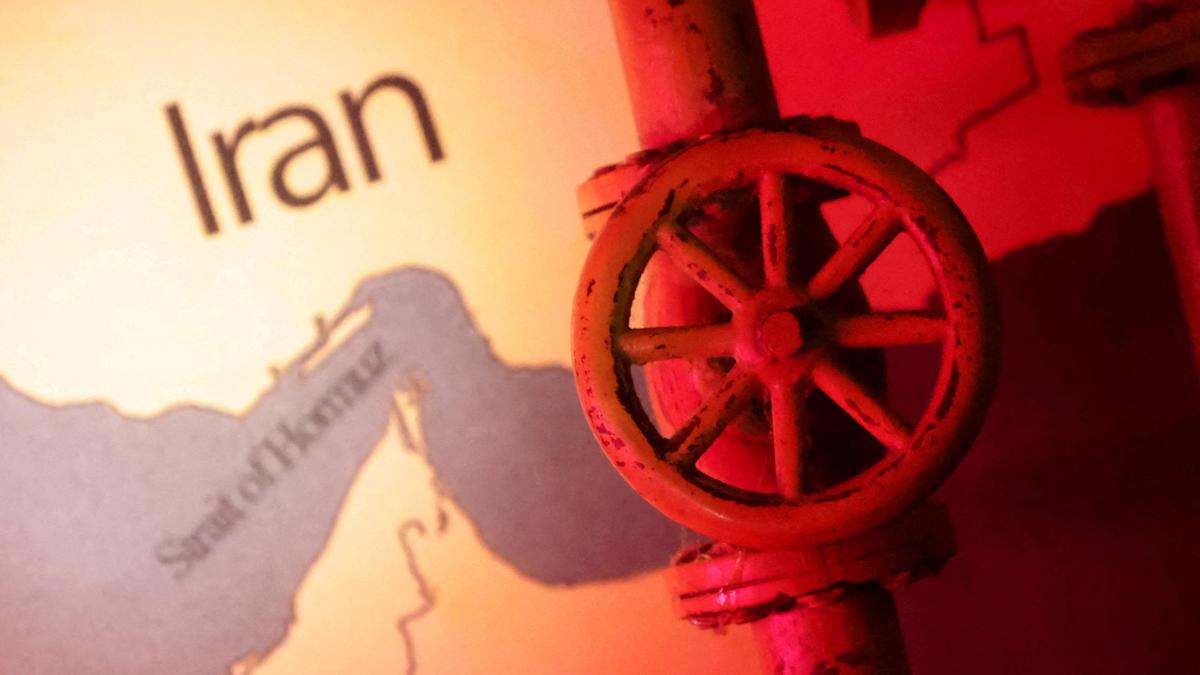
The most significant shift in this reset is the move away from abstract values toward tangible commodities. India’s energy appetite is insatiable. It is the world’s third-largest oil consumer, and it is currently under immense pressure to diversify away from discounted Russian crude.
Canada, meanwhile, has 97% of its energy exports tied to a single, volatile customer: the United States.
The Strategic Trade-Off
| Sector | Canada's Objective | India's Objective |
|---|---|---|
| Energy | Diversify away from US markets | Reduce reliance on Russian oil/gas |
| Agriculture | Increase pulse and potash exports | Secure food supply for 1.4 billion people |
| Technology | Attract high-skill Indian talent | Access Canadian AI and quantum research |
| Security | Stop foreign interference activities | Curb extremist movements in the diaspora |
The logic is simple. India needs food and fuel; Canada has both. By positioning Canada as a "stable, rules-based producer," Carney is pitching a partnership that transcends the temporary whims of whoever occupies the White House. This isn't just about trade; it is about survival in a world where middle powers are being squeezed by great power coercion.
The Elephant in the Room
Despite the smiles in Mumbai, the "mess" is far from fully cleaned. The Canadian public remains skeptical. Recent polling suggests only 30% of Canadians hold a favourable view of India, a number that hasn't budged much since the height of the 2024 crisis.
There is also the matter of the Sikh diaspora. Carney's itinerary notably avoids Punjab, focusing instead on the corporate boardrooms of Mumbai and the political corridors of New Delhi. This is a deliberate attempt to sidestep the domestic political landmines that blew up Trudeau’s 2018 visit. However, ignoring a problem does not make it disappear.
Security officials in Ottawa have quietly acknowledged that while they are "confident" certain activities have ceased, the underlying friction regarding Khalistani activism remains a dormant volcano. Carney is betting that a $70-billion trade deal will provide enough gravity to keep that volcano from erupting.
The Pivot to the Middle
This trip is the centerpiece of a broader "Middle Power" strategy. After India, Carney travels to Australia and Japan. The message is clear: the era of "North American Exceptionalism" is over. Canada is trying to find its footing in a multipolar world where the old alliances are no longer a guaranteed safety net.
To succeed, Carney has to do more than just sign a Comprehensive Economic Partnership Agreement (CEPA). He has to prove that Canada is a serious, adult actor on the world stage—one that can separate its internal diaspora politics from its external strategic interests.
The "mess" Trudeau left behind was not just a diplomatic spat; it was a demonstration of what happens when domestic virtue signaling overrides national interest. Carney is now attempting to reverse that trend. He is trading the pulpit for the ledger, hoping that in the high-stakes world of 2026, the ledger is enough to keep the lights on in Canada.
Whether Narendra Modi is willing to truly "bury the ghost" of the last three years remains to be seen, but for Carney, there is no Plan B.