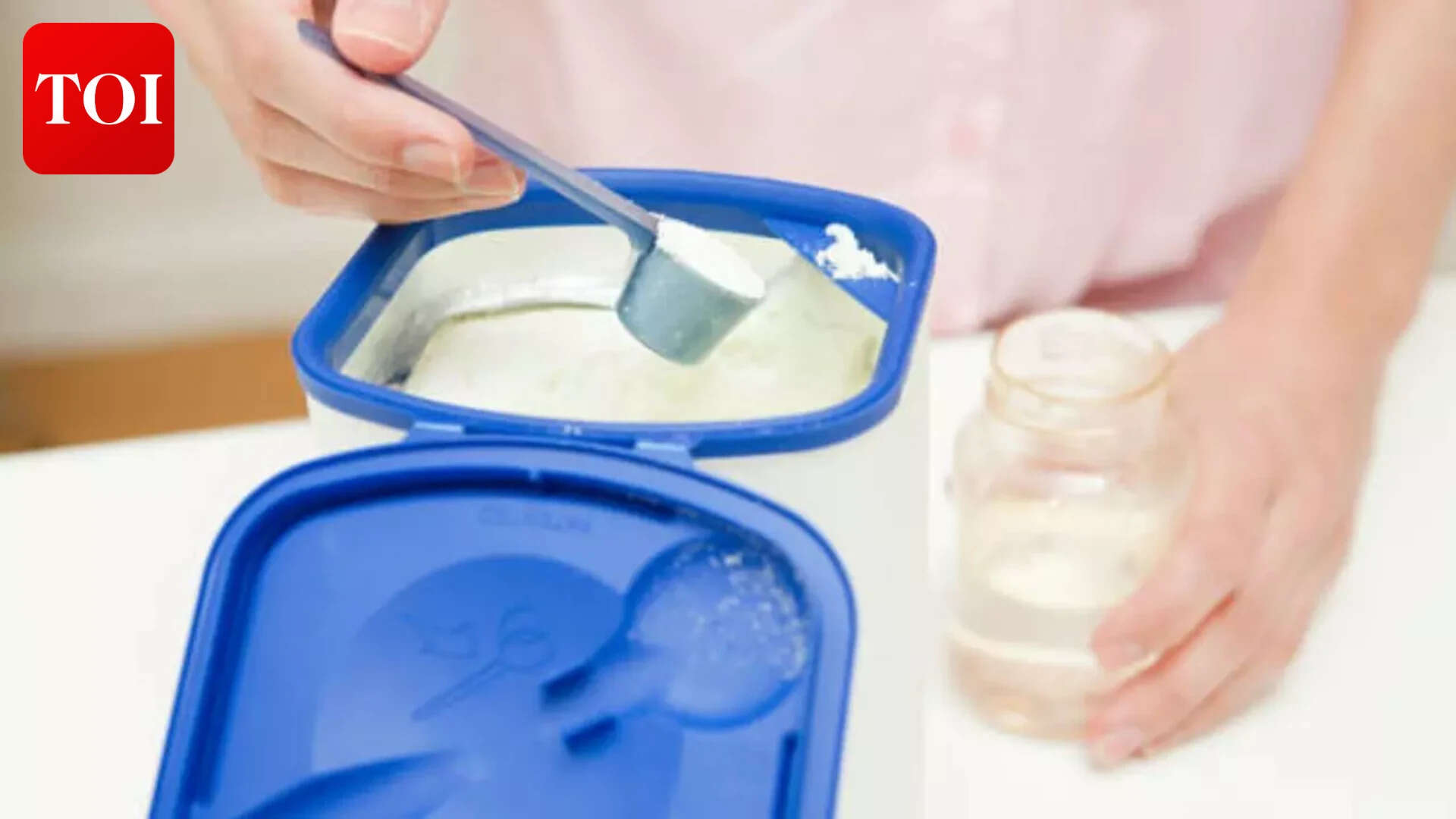
The 3:00 AM silence in a Saudi or Kuwaiti home has a specific weight. It is the sound of a hum from a cooling unit, the rhythmic click of a ceiling fan, and the soft, rhythmic breathing of a child. For a parent, this is the hour of the sacred ritual. You stumble into the kitchen, eyes heavy, reaching for the tin of formula with a muscle memory born of a thousand sleepless nights. You trust that tin. You trust the seal, the brand, and the regulatory stamp. You believe, with every fiber of your being, that the powder inside is the purest thing in your house.
But that trust was recently fractured across the Gulf.
When the news broke that health authorities in Saudi Arabia and Kuwait were issuing urgent recalls for specific batches of baby formula, it wasn't just a logistical announcement. it was a tremor. For the Ministry of Health and the Food and Drug Authority, it was a matter of chemistry and contamination protocols. For the mother in Riyadh or the father in Kuwait City, it was a frantic sprint to the kitchen cabinet.
The Ghost in the Powder
Contamination is an invisible enemy. We aren't talking about a visible shard of glass or a discoloring of the product. The culprits behind these recalls are often microscopic—bacteria like Cronobacter sakazakii or Salmonella. To a healthy adult, these names are mere footnotes in a biology textbook. To an infant with an undeveloped immune system, they are predators.
Consider Sarah. She is a hypothetical composite of the thousands of parents who received that notification on their phones last week. Sarah lives in a bright apartment in Jeddah. Her son, Omar, is four months old. When she read the word "recall," her heart didn't just beat faster; it stopped. She looked at the half-empty tin on her counter and felt a cold wave of betrayal.
The science of why this happens is complex, yet the failure is always human. Formula is manufactured in massive facilities where "sterile" is a religion. But a single compromised seal on a drying tower, or a minute moisture leak in a packaging line, creates a breeding ground. Cronobacter is particularly sinister because it can survive in very dry environments. It waits. It hides in the powder, dormant, until you add warm water. Then, it wakes up.
The Geography of a Crisis
The recall wasn't a suggestion. It was a synchronized strike by the Saudi Food and Drug Authority (SFDA) and the Kuwaiti Ministry of Health. In the Gulf, the supply chains are tightly knotted. A batch that lands at the Port of Jeddah often finds its way across the border into Kuwaiti pharmacies within days. This interconnectedness is a triumph of modern trade, but in moments of crisis, it becomes a highway for risk.
Authorities identified specific batch numbers and expiration dates. The precision of these recalls is a testament to modern tracking, but the burden of execution falls on the consumer. The store shelves were cleared quickly. Logistical teams moved through supermarkets like ghosts in the night, pulling tins from the front rows. But the tins already in the homes? Those are the ones that keep officials awake at night.
The symptoms of a child affected by these contaminants are agonizingly similar to common infant fussiness—at first. A fever, a refusal to eat, an unusual bout of crying. This is the cruelty of the situation. It forces a parent to second-guess their intuition. Is he just colled? Or is the very food I gave him making him sick?
Beyond the Batch Number
We often treat these recalls as isolated incidents of "bad luck." They aren't. They are symptoms of a globalized food system that prioritizes scale. When a single factory in one corner of the world produces formula for ten different countries, a single mistake becomes a multi-national emergency.
The technical term for what Sarah experienced is "consumer trauma." It is the lingering doubt that remains long after the "all clear" is given. Even when she buys a new brand, or a fresh batch with a "safe" number, she pauses. She looks at the water. She looks at the scoop. The ritual of feeding has been stripped of its peace.
Health experts in the region emphasize that the recall is a sign the system is working. The fact that the contamination was caught—often through routine sampling or international alerts—means the safety net held. But for the person standing in a kitchen at 3:00 AM, the "system working" feels like cold comfort when they have been feeding their child from a "toxic" batch for three days.
The Anatomy of the Response
What should a parent actually do when the headlines scream "Recall"?
The instinct is to throw everything away in a panic. But the clinical, necessary approach is more methodical.
- Verify, don't guess. The batch number is usually located on the bottom of the tin. It is a string of letters and numbers that tells the story of that specific product’s birth. If it matches the list provided by the SFDA or the Kuwaiti Ministry, the product is no longer food. It is waste.
- Sterilization is a reset button. If a baby has consumed formula from a recalled batch, the bottles, nipples, and even the counters must be deep-cleaned. This isn't just about soap; it’s about breaking the biological chain.
- The Medical Watch. This is the hardest part. The "wait and see" period. Doctors advise monitoring for extreme lethargy or any sign of jaundice.
The reality of these recalls is that they happen in a vacuum of information for the first few hours. Rumors fly on WhatsApp groups. Misinformation spreads faster than the bacteria itself. One message says all formula is tainted; another says it’s a conspiracy by rival brands. In this storm, the only anchor is the official government portal. In Saudi Arabia and Kuwait, the digital infrastructure for health alerts has become one of the most robust in the world, specifically to combat the "WhatsApp panic."
The Invisible Stakes
Why does this matter so much? Because infant formula is the only food source for a vulnerable population. If a batch of spinach is recalled, adults have alternatives. A baby does not. The stakes are binary: health or hazard.
We live in an age of miracles where we can turn cow's milk and plant oils into a bio-available substitute for the most complex liquid on earth—breast milk. But that miracle requires a perfect record. 99.9% isn't good enough. In the world of infant nutrition, a failure rate of 0.1% is a catastrophe.
The recall in Saudi Arabia and Kuwait is a reminder of the fragility of our domestic security. It highlights the need for localizing production, for tightening the window between the factory and the crib. It also highlights the courage of the inspectors who have to make the call to pull millions of dollars of product off the shelves to save one life.
The Lingering Echo
The news cycle will move on. Next week, there will be a new headline about oil prices, a new development in a neighboring city, or a celebrity scandal. The "Urgent Recall" will fade from the top of the feed.
But in a quiet home in Kuwait, a father will still be triple-checking the bottom of a tin before he levels off a scoop. He will hold the bottle up to the light, looking for something he cannot see. He will remember the week the news told him that the most important thing he bought for his child was a threat.
Safety isn't a destination. It is a constant, grueling, and often thankless process of checking and re-checking. It is the invisible shield that we only notice when it cracks. The crack has been patched for now, the batches have been destroyed, and the shelves have been restocked.
The silence of the nursery has returned to its normal, peaceful weight. But the vigilance remains. It has to. Because the trust of a parent is the hardest thing to build and the easiest thing to break, and once it’s gone, no batch number in the world can truly replace it.
The tin is opened. The powder is scooped. The water is mixed.
Everything seems fine. And in that "seems," the entire world of food safety resides.
Would you like me to find the specific batch numbers and official SFDA contact links for the most recent recalls so you can verify your own supplies?