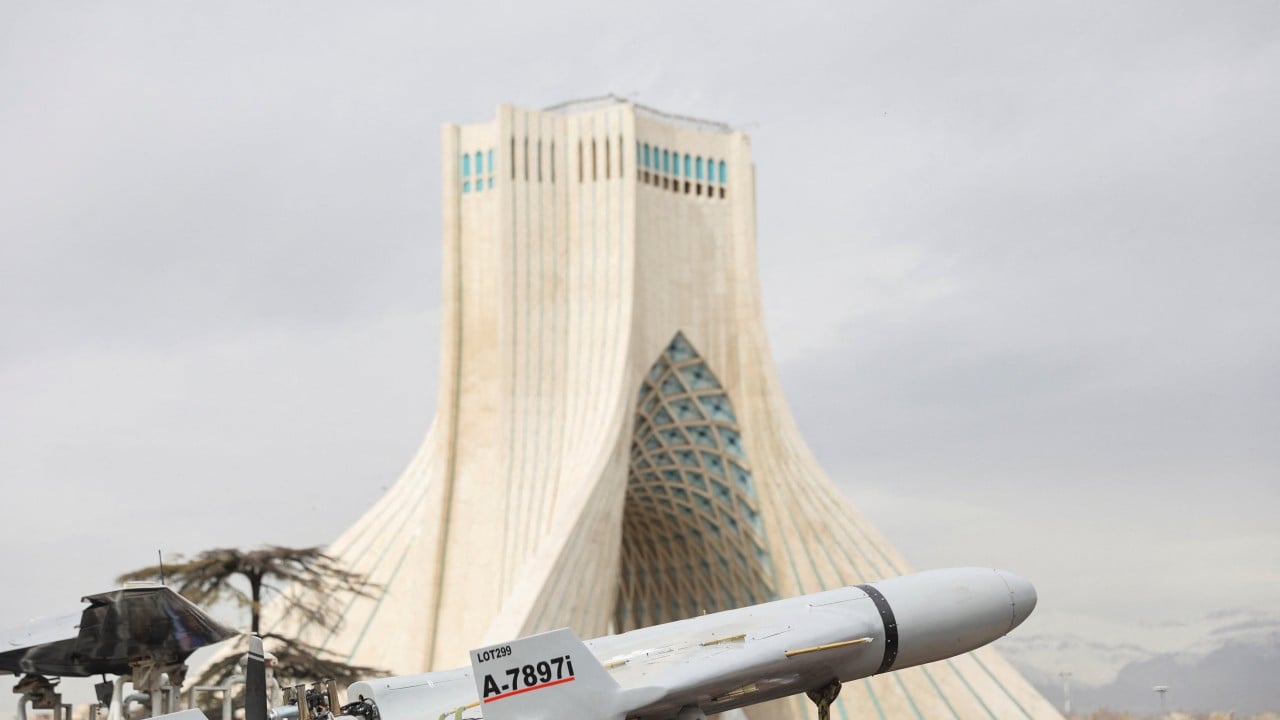
Donald Trump just launched a massive military operation against Iran, and honestly, nobody should be surprised. On February 28, 2026, the world woke up to "Operation Epic Fury," a joint U.S.-Israeli bombardment that reportedly killed Supreme Leader Ayatollah Ali Khamenei. It’s the second time in less than a year that Trump has ordered bombs to drop on Iranian soil. But if you're trying to pin down exactly why he did it this time, you'll find the logic shifting faster than a Florida weather report.
The administration’s justifications have moved from "surgical strikes" on nuclear sites to full-blown regime change. This isn't just about a nuclear deal anymore. It's a high-stakes gamble that could reshape the Middle East or trap the U.S. in a conflict it didn't vote for.
The nuclear excuse that won't die
For months, we were told the goal was simple: stop the bomb. Trump’s team, led by Secretary of State Marco Rubio, argued that Iran was weeks away from a nuclear weapon. They claimed the June 2025 strikes had "obliterated" the program, but then suddenly, by early 2026, the story changed. Now, they say Iran was "rebuilding" and "speeding toward a breakout."
Here’s the reality. Trump’s own intelligence agencies—the DIA and others—issued reports in late 2025 suggesting Iran was actually years away from a functional ICBM that could hit the U.S. mainland. Yet, during his State of the Union address just days before the strike, Trump told a different story. He claimed the threat was "imminent" and that missiles could reach "good friends and allies" in Europe right now.
The logic is a bit of a circle. We hit them in June 2025 to force them to negotiate. When they did negotiate (with three rounds of talks in Oman and Geneva), we told them the terms were "zero enrichment" and "hand over all your uranium." When Iran predictably balked at what amounted to a total surrender, Trump walked away. He used the failure of the talks he sabotaged as the reason to start the war.
From deterrence to regime change
If you look at the rhetoric from early 2025, the word "deterrence" was everywhere. The idea was to put "maximum pressure" on Tehran until they folded. But as the USS Gerald R. Ford moved into the Mediterranean in late February 2026, the mask slipped. Trump began posting on Truth Social, urging Iranians to "take back" their country.
By the time the bombs hit Tehran on Saturday, the goal wasn't just neutralizing centrifuges. It was "eliminating threats from the Iranian regime" entirely. Assassinating Khamenei is the ultimate move in a regime change playbook. You don't kill a head of state if you're just looking to get a better seat at the negotiating table.
Trump is betting on the "broken glass" theory. He thinks if he breaks enough of the regime's infrastructure, the Iranian people—already protesting in the streets since December over the tanking rial—will do the rest of the work for him. It’s a massive "if." History shows that foreign air strikes often make a population rally around a flag, even a flag they hate.
The messy legal reality at home
While the bombs were falling, Washington was screaming. Democrats and even some "America First" Republicans are furious. Why? Because Trump did this without a single vote from Congress. He’s essentially treating the 2001 Authorization for Use of Military Force (AUMF) like a blank check for a war that looks nothing like the fight against Al-Qaeda.
Senator Tim Kaine and others are already pushing for war powers legislation to rein him in. They’re calling it a "war of choice." They've got a point. If the threat was so "imminent," why was Trump golfing at Mar-a-Lago while his team monitored the start of the operation? The urgency seems manufactured to fit a political timeline, not a tactical one.
What this actually means for you
You’re probably wondering how this hits your wallet. It's not just "over there."
- Gas prices: Analysts expect a spike. If Iran tries to choke the Strait of Hormuz, we’re looking at $130 per barrel oil. That means $5 or $6 a gallon at the pump is a real possibility.
- Regional blowback: Iran has already retaliated by hitting bases in Qatar, Bahrain, and the UAE. This isn't a "limited" operation. It's a regional fire.
- Nuclear Proliferation: Every other "rogue state" just learned a lesson. If you don't have a nuke, the U.S. might try to topple you. This actually makes countries like North Korea hold onto their nukes even tighter.
Trump’s shifting arguments aren't just confusing; they're a strategy. By keeping the goalposts moving, he avoids having to meet any specific metric of "success." If the nuclear program is the goal, he can say it’s destroyed. If regime change is the goal, he can point to the chaos in Tehran. It's a "choose your own adventure" foreign policy where the ending is always a win for him, regardless of the cost in lives or dollars.
Watch the oil markets and the "Gang of Eight" briefings this week. If the administration can't produce actual proof of an "imminent" threat, the domestic political war will be just as ugly as the one in the Persian Gulf.