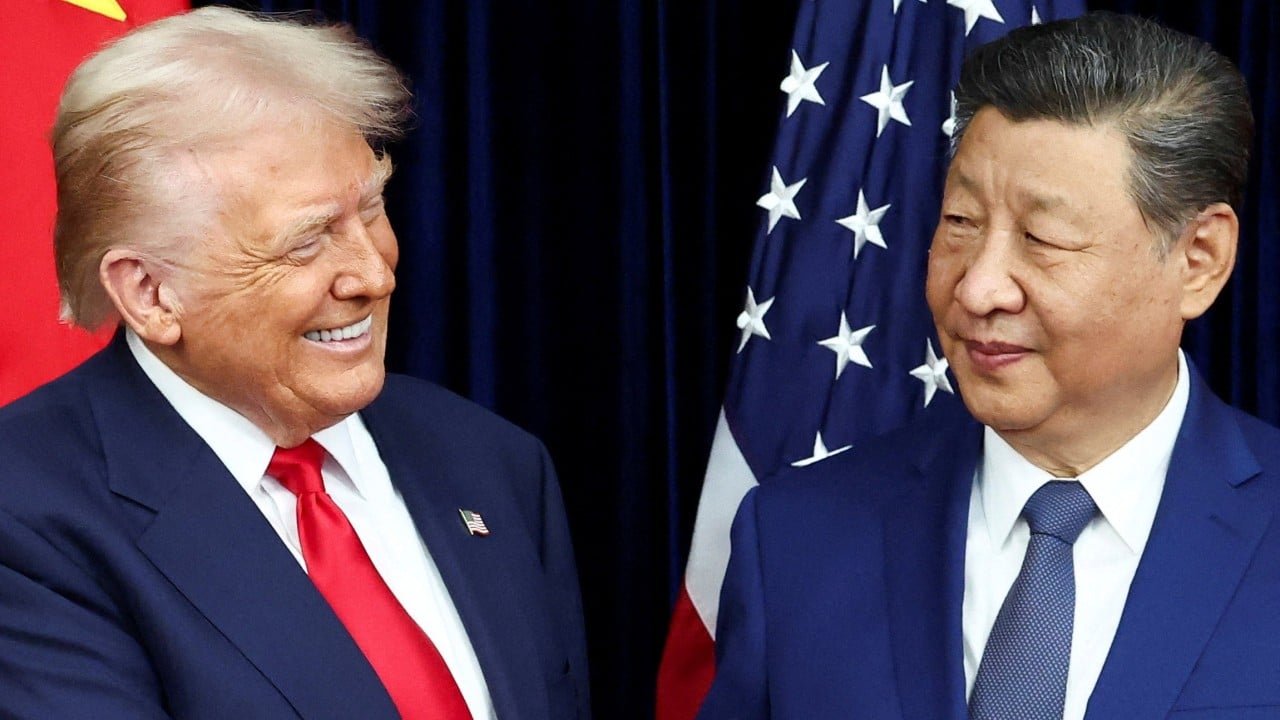
The era of grand bargains between Washington and Beijing is dead. If you’re waiting for a sweeping trade deal or a grand "reset" that returns us to the sunny optimism of the early 2000s, stop. It isn't happening. Instead, both superpowers have spent the last few months quietly constructing what diplomats call "minimum stability." It’s a fancy way of saying they’ve agreed to stop punching each other in the face long enough to catch their breath.
After a brutal stretch of spy balloons, chip wars, and saber-rattling over the Taiwan Strait, the vibe has shifted. It’s not friendship. It’s not even a "thaw" in the traditional sense. It is a calculated, cold-eyed realization that total escalation is currently too expensive for either side to afford. We’re seeing a tactical pause where both nations are essentially saying, "I still don't trust you, but I'd rather not go to war today."
The High Cost of the Rough Patch
The "rough patch" wasn't just a series of diplomatic gaffes. It was a fundamental breakdown in communication that brought the world’s two largest economies to the edge of a systemic rupture. Think back to early 2023. Communication lines were silent. Military-to-military hotlines were essentially disconnected. When the US shot down that Chinese high-altitude balloon, we weren't just looking at a weird weather instrument—we were looking at the collapse of basic crisis management.
Why did they pivot? Money and internal pressure.
China’s economy isn't the juggernaut it was a decade ago. With a massive property sector crisis and sluggish consumer spending, Beijing needs a predictable external environment to fix its internal plumbing. Xi Jinping can’t afford a full-blown trade war 2.0 while trying to keep his domestic economy from stalling. On the flip side, the US is juggling a messy election cycle, a persistent conflict in Ukraine, and volatility in the Middle East. The Biden administration wants to "de-risk" without triggering a global depression.
What Minimum Stability Actually Looks Like
Minimum stability isn't about solving problems. It’s about managing them. You can see it in the sudden flurry of high-level meetings. We saw Treasury Secretary Janet Yellen and Secretary of State Antony Blinken heading to Beijing, not to sign historic treaties, but to set up "workgroups."
These workgroups are the literal definition of minimum stability. They exist so that when the next crisis hits—and it will—there’s a specific person at a specific desk who picks up the phone. It’s about preventing a mistake from turning into a catastrophe.
- Military Communication: Re-establishing the links that were severed after Nancy Pelosi’s 2022 visit to Taiwan. This is the most basic level of "don't accidentally start a war."
- Economic Guardrails: Agreeing on where the lines are for "national security" versus "general trade." The US is still blocking high-end AI chips, and China is still restricting certain minerals. They’ve just agreed to talk about it instead of just retaliating blindly.
- Fentanyl and AI: Finding niche areas where interests actually overlap. Both sides want to look like they’re doing something about the opioid crisis or the existential risks of AI. It gives them "wins" to show their respective domestic audiences.
The Taiwan Elephant in the Room
Don't let the polite handshakes fool you. The core friction points haven't moved an inch. Taiwan remains the most dangerous flashpoint on the planet. China still views it as a breakaway province; the US still views it as a vital democratic partner and a key link in the "first island chain."
Minimum stability in the Taiwan Strait doesn't mean China has stopped its military drills. It just means they’re keeping them at a predictable level of aggression. The US, meanwhile, continues to provide defense equipment while maintaining the "One China" policy—a delicate, linguistic balancing act that grows more strained every year.
If you look at the rhetoric coming out of Beijing, they haven't backed down on their "reunification" goals. Washington hasn't backed down on its "free and open Indo-Pacific" stance. They’ve just agreed that, for now, they won't let these disagreements blow up the entire relationship. It’s a ceasefire of convenience, not a peace treaty.
Tech Wars and the New Iron Curtain
The real battlefield isn't the South China Sea—it’s the semiconductor lab. The US is currently engaged in a massive effort to "hollow out" China’s ability to produce high-end chips. By leveraging export controls, the US is trying to ensure that China stays several generations behind in AI and military tech.
Beijing isn't taking this lying down. They’re pouring billions into domestic "self-reliance." This is the part of the relationship that defies "stability." How do you maintain a stable relationship when one side is actively trying to freeze the other’s technological development?
This is where the "minimum" part of minimum stability gets tested. Both sides are currently testing how much they can hurt the other without causing a total collapse. It’s a high-stakes game of chicken where the goal isn't to win, but to keep from crashing.
Why This Fragile Peace Might Actually Last
I know it sounds cynical. Honestly, it is. But "minimum stability" might be the best we can hope for right now. In a world where neither side can realistically "win" a conflict without destroying themselves, this weird, uncomfortable middle ground is the only logical choice.
Businesses are already moving. They aren't waiting for a "reset." They’re diversifying. The "China Plus One" strategy is no longer a suggestion; it’s a requirement for survival. Companies are keeping their Chinese factories for the Chinese market but building new ones in Vietnam, India, or Mexico for everyone else.
This decoupling—or de-risking, if you prefer the political term—actually helps stability in a weird way. As the two economies become less intertwined in critical sectors, the "shock" of a political blowup becomes slightly more manageable. It reduces the leverage each side has over the other, which, paradoxically, might lead to fewer desperate moves.
Moving Past the Rough Patch
The "rough patch" taught both leaders that they were uncomfortably close to a disaster neither wanted. Xi needs growth; Biden needs calm. That’s the foundation of this current era.
Don't expect the tariffs to vanish. Don't expect the rhetoric to soften much. You’ll still hear tough talk during campaign seasons and see "freedom of navigation" operations in contested waters. But beneath the noise, the goal is now "predictability."
If you’re an investor or a business leader, the takeaway is simple: assume the tension is permanent. The "stability" we’re seeing is a floor, not a ceiling. It’s there to prevent a fall into the abyss, but it doesn't mean the room is going to get any warmer.
What You Should Watch For Next
To see if this "minimum stability" is actually holding, keep your eyes on these specific markers:
- The Frequency of the "Hotline": If military commanders start talking regularly again, the floor is holding. If they go silent after a close encounter at sea, the floor is cracking.
- Battery and EV Regulations: Watch how the US handles Chinese battery tech entering the domestic market. This will be the next big test of whether "de-risking" can be done without a total trade shutdown.
- Cross-Strait Rhetoric: Pay attention to the specific phrasing around the upcoming elections and political shifts in Taiwan. This is the one variable that can shatter "minimum stability" overnight.
Basically, we’re living in a world of managed competition. It’s not pretty, it’s not particularly safe, but it’s better than the alternative. Both sides have looked into the mouth of the volcano and decided they’d rather stay on the rim for a while.
Start diversifying your supply chains if you haven't already. Don't bet your entire future on a sudden return to 1990s-style globalization. The world has changed, and "minimum stability" is the new normal. Accept it, plan for it, and don't get distracted by the occasional handshake.