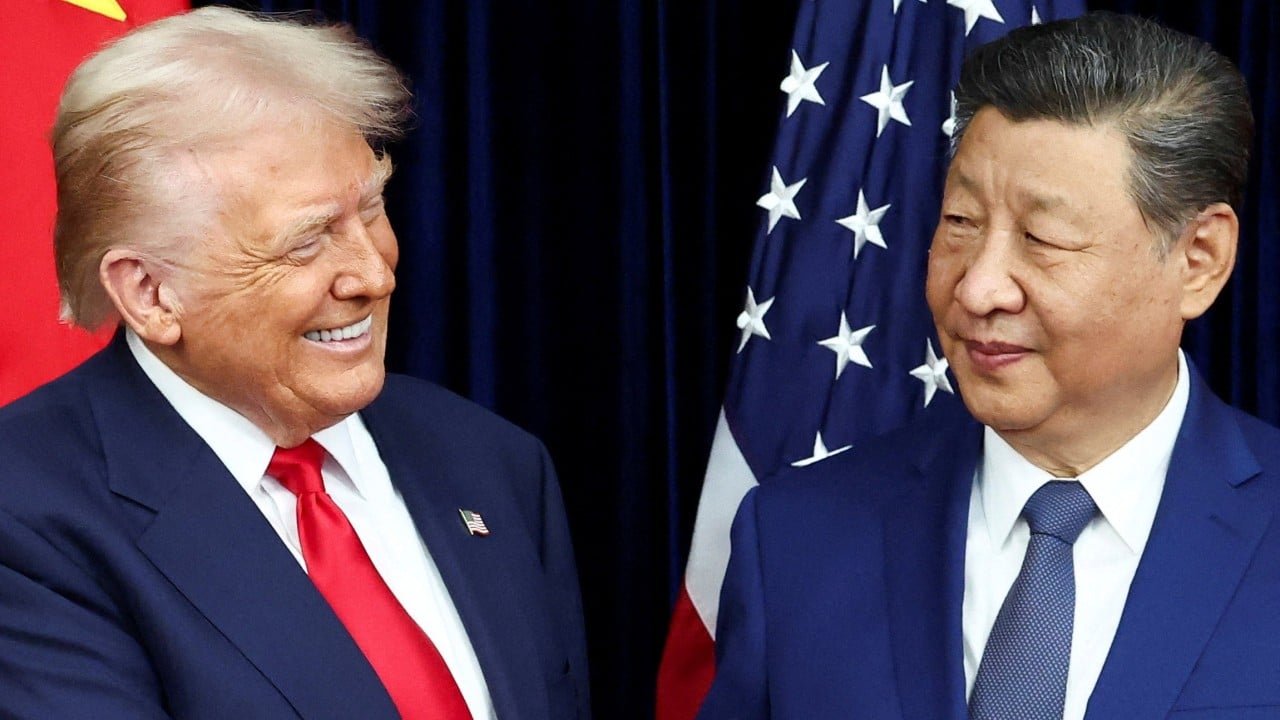
Beijing is officially worried. You can see it in the increasingly pointed language coming out of the Foreign Ministry. As the conflict in the Middle East drifts toward a broader regional blowback, China is making a public, high-stakes push for the United States and Iran to sit down at the same table. It isn't just about peace. It’s about protecting the massive infrastructure and energy investments China has spent a decade building across the Gulf.
The old map of the Middle East is fading. For years, the region felt split into rigid camps: pro-Western monarchies on one side and the Iranian-led "Axis of Resistance" on the other. That binary is dead. Today, Gulf states like Saudi Arabia and the UAE are playing both sides of the fence, maintaining security ties with Washington while refusing to burn bridges with Tehran. China sees this shift as its opening to act as the "responsible superpower" that the U.S. supposedly isn't.
Why the Red Sea Crisis Forced China's Hand
China generally prefers to stay on the sidelines. It buys oil, signs construction deals, and avoids getting bogged down in ancient religious or territorial feuds. But the disruption in the Red Sea changed the math. When Houthi rebels began targeting commercial shipping, they didn't just hit Western tankers. They threatened the literal flow of goods that fuels the Chinese economy.
Beijing realizes that it can't just talk its way out of a shipping crisis. If the U.S. and Iran remain in a state of constant, low-grade shadow war, the entire maritime corridor stays a "no-go" zone for predictable trade. China's message to Washington is simple: stop trying to contain Iran through isolation and start talking. It's a calculated move to paint the U.S. as the primary obstacle to stability.
The pressure is mounting. We saw this during the recent diplomatic rounds where Chinese officials met with Iranian counterparts, reportedly urging them to rein in proxy groups. But China has limited leverage. It can't force Iran’s hand any more than the U.S. can. What it can do is offer Iran a diplomatic "out" and a path toward economic integration that doesn't require total submission to Western demands.
The Gulf States Are No Longer Picking Sides
If you still think the Saudi-Iranian rivalry is the only thing that matters in the Gulf, you're missing the bigger picture. The 2023 China-brokered deal to restore ties between Riyadh and Tehran was a massive wake-up call. It signaled that Gulf leaders are tired of being the battlefield for a cold war they didn't start.
Saudi Arabia is focused on Vision 2030. They want tech hubs, tourism, and massive futuristic cities. You can't build a global tourism destination if missiles are flying over the border. This is why the Kingdom is keeping its channels to Iran open. They're hedging. They want the U.S. defense umbrella, but they want Chinese investment and Iranian non-interference.
This creates a weird, fluid environment. Gulf states aren't "flipping" to China. They’re just becoming more transactional. They see a U.S. administration that is distracted by Ukraine and internal politics. Then they see a Chinese government that shows up with a checkbook and a promise of "non-interference" in how they run their countries. It's an easy choice for a monarch who wants to survive the next twenty years.
The Limits of Chinese Diplomacy
Let's be real about what China can actually achieve. Despite the grand rhetoric, Beijing doesn't have a regional security architecture. They don't have carrier groups stationed in the Persian Gulf. They don't have a network of airbases. When things get truly ugly, the region still looks to the U.S. Navy.
China's power is almost entirely economic. They are the top buyer of Iranian oil. They are the top trading partner for most of the Arab world. This gives them a "soft" veto on certain escalations, but it doesn't give them the ability to dictate terms. The U.S. remains the only player with the hard power to actually enforce a ceasefire or a blockade.
The tension lies in the fact that the U.S. and China want the same thing—stable oil prices—but through completely different means. The U.S. wants stability through deterrence and alliances. China wants stability through development and trade. These two paths are currently crashing into each other in the halls of the United Nations.
What a US-Iran Dialogue Actually Looks Like
When China calls for talks, they aren't dreaming of a "Grand Bargain" that settles every dispute. They’re looking for a de-escalation framework. Think of it as a pressure valve. If the U.S. and Iran have a direct line of communication, the risk of an accidental war drops.
- Sanctions Relief for Security: Iran wants its frozen assets. The U.S. wants the proxies to stop firing. There's a deal there, even if it's a messy one.
- Nuclear Transparency: Any talk of a deal has to address the centrifuges. China knows this, but they're more willing to tolerate a "threshold" Iran than the West is.
- Regional Integration: This is the Chinese specialty. They want to connect the Iranian economy to the Gulf monarchies. If everyone is making money together, they're less likely to blow each other up.
It sounds optimistic. Maybe even naive. But the alternative is a slow-motion collapse of the global energy market. China's push for these talks is a sign that they're finally realizing that "neutrality" has a shelf life. You can't be a global leader if you're afraid to get your hands dirty in the world's most volatile neighborhood.
The Economic Reality of the New Silk Road
The Belt and Road Initiative (BRI) is the quiet engine behind all of this. China has poured billions into ports in Oman, industrial zones in Egypt, and digital infrastructure in Kuwait. These aren't just vanity projects. They're part of a long-term plan to ensure China has multiple exits and entries for its goods, bypassing any potential Western-led blockades in the Pacific.
Iran is a central piece of this puzzle. It's the land bridge between Central Asia and the Middle East. If Iran stays a pariah state, that bridge is broken. If Iran is integrated, China wins a massive strategic advantage. This explains why Beijing is willing to burn diplomatic capital to get the U.S. to the table. They need the "Iran problem" solved so they can get back to the business of building roads.
How the US Should Respond
Washington shouldn't just dismiss the Chinese proposal as propaganda. While the motives are self-serving, the goal of preventing a regional war is a shared one. The U.S. has a chance to test China's influence. If Beijing wants to be a mediator, let's see them actually deliver a Houthi ceasefire or a slowdown in Iranian enrichment.
Don't expect a sudden bromance between D.C. and Tehran. The domestic politics in both countries make that impossible. But "talks" don't have to be a televised summit. They can be quiet, technical, and limited. China is offering to be the "bad cop" to Iran's internal hardliners, telling them that the economic gravy train stops if the region goes up in flames.
The smart move for businesses and investors is to watch the diplomatic travel schedules. When you see high-level Chinese delegations hitting both Riyadh and Tehran in the same week, pay attention. That's when the real deals are being cut. The Middle East isn't just about oil anymore; it's the front line of the new multi-polar world.
Track the shipping rates in the Red Sea and the insurance premiums for tankers in the Gulf. Those numbers tell a more honest story than any press release. If those rates start to stabilize, it's a sign that the back-channel diplomacy China is pushing for might actually be working. Stop waiting for a formal treaty and start looking at the logistics. That’s where the real power shift is happening.