Justice is rarely a sprint. Usually, it is a slow, grinding trek across borders, time zones, and decades of silence. For twenty-one years, a shadow hung over a quiet corner of New Zealand—a memory of a night in 2003 that refused to fade, even as the world moved on, even as the person responsible vanished into the global hum of the twenty-first century.
When the news broke that a 46-year-old man had been escorted onto a plane in Singapore to face charges of rape and home invasion in a New Zealand court, it wasn't just a legal update. It was the closing of a circle.
Consider the weight of two decades. In 2003, the world was a different place. We lived in the space between the analog and the digital. DNA technology was potent but still evolving. International police cooperation relied on slower, more cumbersome gears. For a victim of a home invasion and sexual assault, the passage of time can feel like a betrayal. Every year that passes without an arrest feels like the world forgetting. But the law has a long memory.
The man at the center of this extradition arrived at Auckland International Airport under heavy guard. He didn't come by choice. He came because the systems we build to protect the vulnerable—systems that often seem bureaucratic or sluggish—eventually caught up with his trail.
The Ghost in the System
Criminals often believe that if they can just put enough distance between themselves and the scene of the crime, the trail will go cold. They count on the friction of international borders. They rely on the idea that a police department in the South Pacific won't have the reach to pluck someone from the bustling, high-tech metropolis of Singapore.
They are wrong.
This case is a testament to the persistent, often invisible work of Interpol and the New Zealand Police. It’s about the "cold case" teams who refuse to let files gather dust. Imagine a detective sitting in a fluorescent-lit office in Wellington, looking at a grainy photo or a lab report from 2003. To the rest of the world, that year is ancient history. To that detective, it is a puzzle that remains unsolved.
The charges are as serious as they get: sexual violation by rape and burglary. These aren't just legal terms. They represent a night where someone's sanctuary—their home—was breached. They represent a trauma that doesn't simply "heal" because the calendar turns. By the time this man stepped off the plane, he was facing a version of New Zealand that had changed drastically, yet was singularly focused on one thing: accountability.
The Singapore Connection
Singapore is known for its strict adherence to the rule of law. It is not a place where one goes to hide from the authorities. The extradition process is a complex dance of diplomacy and judicial review. It requires a "prima facie" case—meaning the requesting country must prove there is enough evidence to warrant a trial. It isn't a simple hand-off. It is a rigorous check and balance.
When the Singaporean authorities agreed to the extradition, they weren't just helping New Zealand. They were reinforcing a global pact. The message was clear: there is no safe harbor for those accused of such visceral violations of human dignity.
The logistics of an extradition are sterile. There are handcuffs, specialized transit officers, and endless paperwork. But the emotional undercurrent is deafening. For the survivors of the 2003 attack, the notification that an arrest had finally been made must have felt like a physical blow. A relief, perhaps. Or perhaps a sudden, jarring reopening of a door they had tried so hard to lock.
The Architecture of a Cold Case
Why did it take twenty-one years?
Sometimes the answer is as simple as a name that didn't match a database. Other times, it's a piece of biological evidence that sat waiting for a more sensitive test to be invented. In many instances, it is a tip-off—a whisper from a life lived in the shadows that finally reaches the right ears.
We often think of justice as a lightning bolt. A crime happens, the sirens wail, and the culprit is caught in the act. But true justice is more often like a glacier. It is slow. It is cold. It is relentless. It moves inches at a time, but it carries a weight that can crush anything in its path.
The man, whose name remained suppressed in early hearings to ensure a fair trial, now stands before a judge. He is no longer a ghost in a database. He is a person in a dock. The transition from "suspect at large" to "defendant in custody" is the most critical shift in the life of a criminal case. It moves the story from the realm of mystery into the realm of the record.
The Invisible Stakes
What is at stake here?
It isn't just the fate of one man. It is the integrity of the social contract. We agree to live by certain rules, and in exchange, the state promises to pursue those who break them, no matter how far they run or how long they stay gone. If the police had given up in 2008, or 2015, or 2022, that contract would be broken.
The cost of this extradition—the flights, the legal fees, the police hours—is often criticized by those who look only at a balance sheet. But how do you price the message sent to every other person who thinks they can outrun their past? How do you price the peace of mind for a community knowing that a "home invader" isn't just a campfire story, but a person the law will hunt for decades?
There is a specific kind of courage required to revisit a twenty-year-old trauma. The witnesses will be older. Memories will be tested. The defense will undoubtedly point to the passage of time as a reason for doubt. But facts have a way of surviving the years. DNA doesn't age the way we do. Physical evidence, if preserved correctly, is a silent witness that never forgets its lines.
The Flight Back
Imagine the flight from Singapore to Auckland. Ten hours across the ocean. The hum of the jet engines. For the officers, it’s a job. For the man in custody, it’s a journey toward a reckoning he likely thought he had escaped. Every mile closer to New Zealand is a mile closer to a day in 2003.
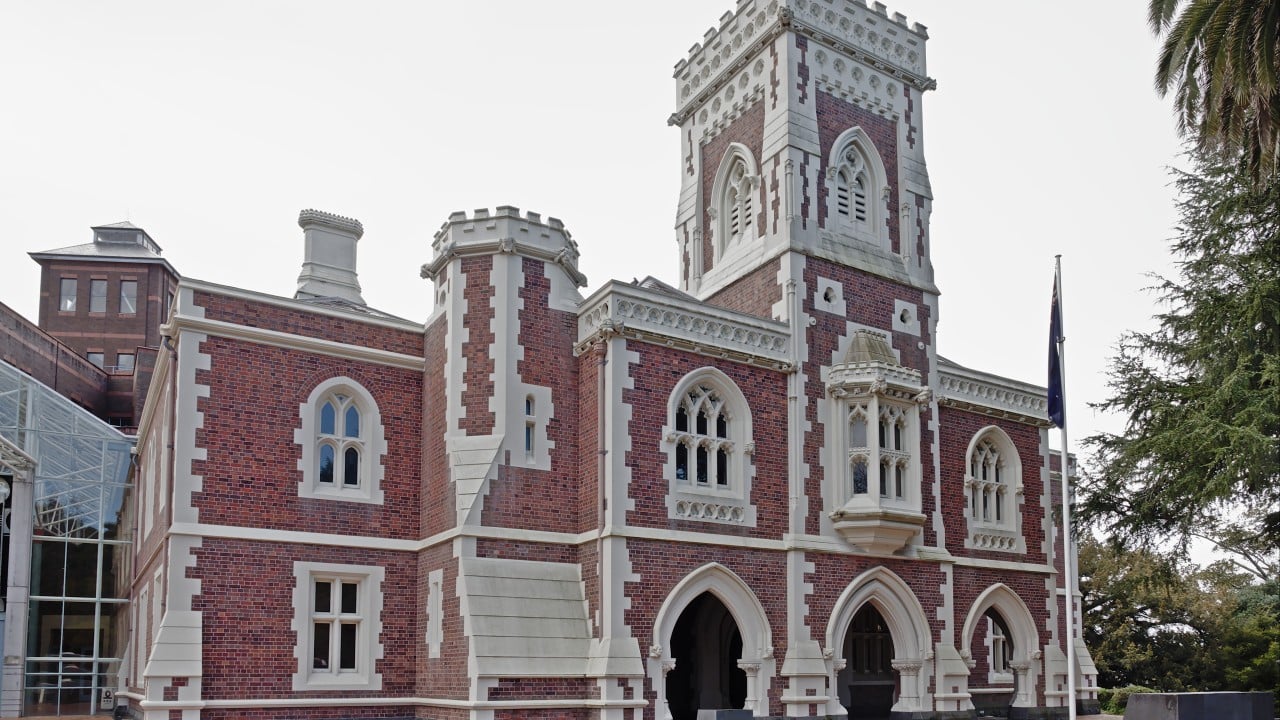
The air in New Zealand is different. It’s sharper. For someone returning under these circumstances, it must feel heavy with the weight of expectation. The courtrooms in Auckland are modern, but they carry the echoes of every judgment ever passed within their walls.
This isn't a story with a happy ending yet. It is a story with a necessary middle. The trial will be the next chapter. There will be evidence, arguments, and the painstaking reconstruction of a night two decades ago. The public will watch, perhaps briefly, before returning to the chaos of the present day.
But for those involved, the clock has stopped ticking and the work of the truth has begun. The long road home from the Lion City didn't end at the airport terminal; it ended at the bar of justice, where time finally ran out.
The handcuffs clicked shut not just on a wrist, but on the idea that one can ever truly leave the past behind.