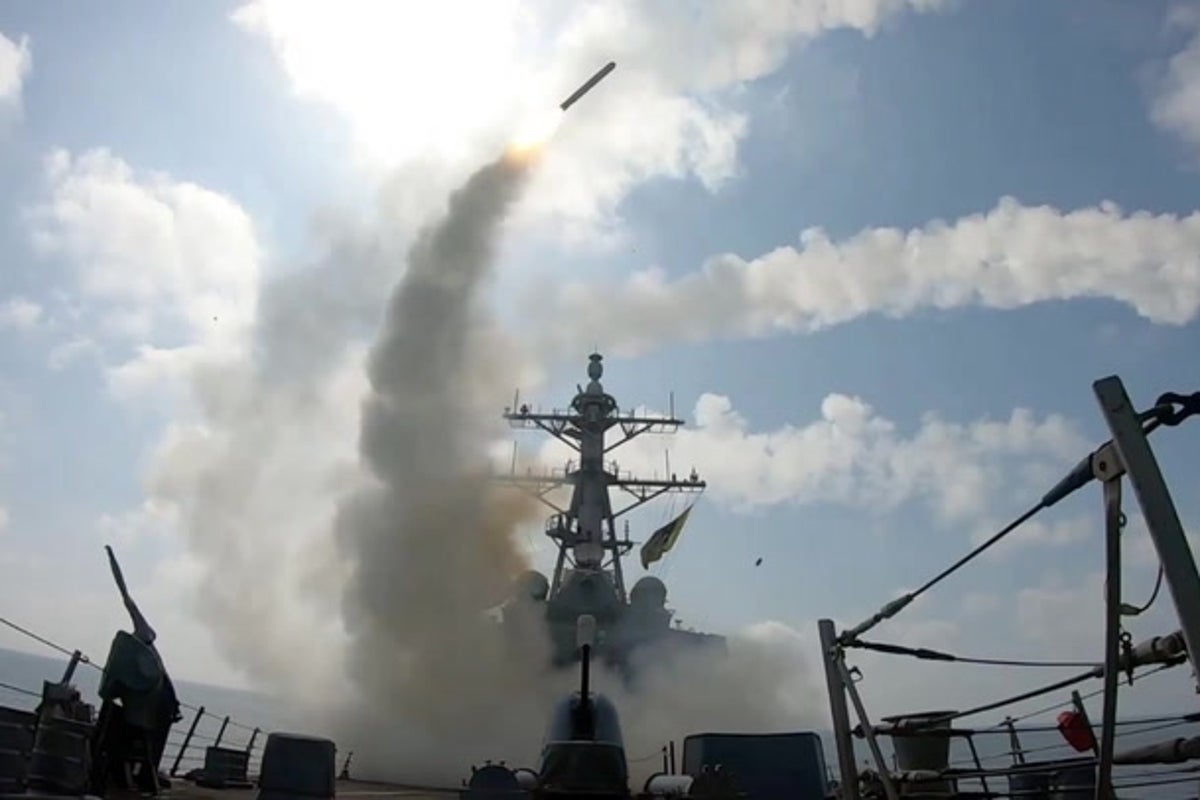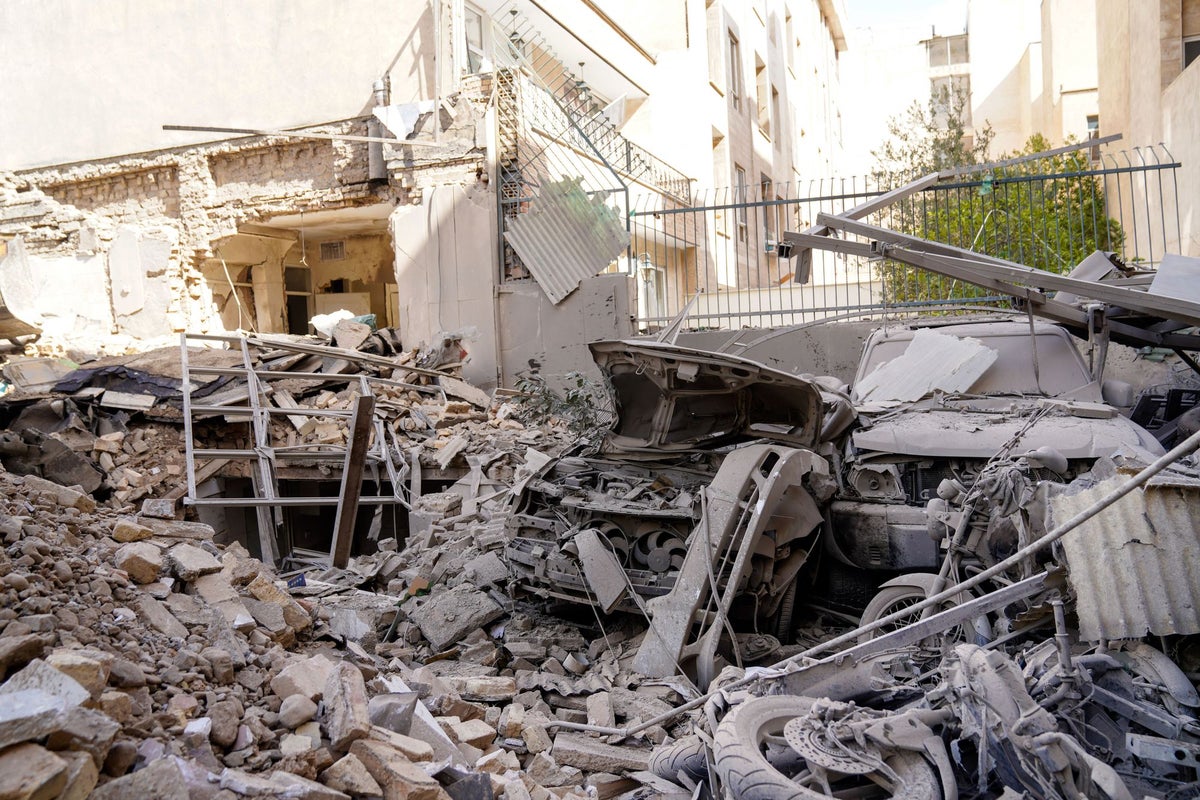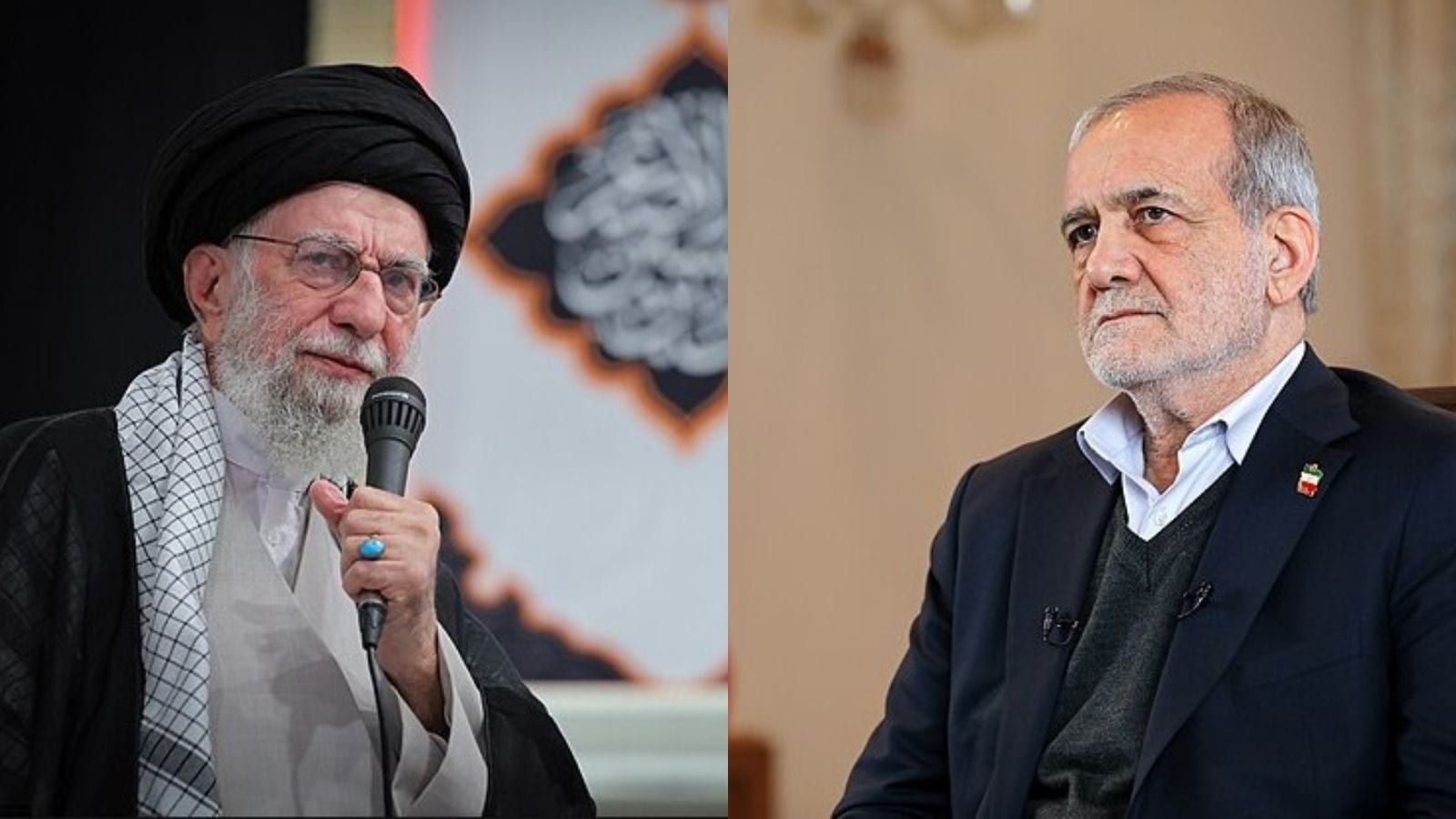
The media loves a hierarchy. It’s clean. It’s cinematic. When news broke of the coordinated US-Israel strikes, the headlines followed a predictable, lazy script: a list of names, a tally of "top commanders," and a breathless speculation on whether Supreme Leader Ali Khamenei was looking over his shoulder.
They’re selling you a 19th-century view of warfare in a 21st-century distributed network.
The consensus view—that killing "Person X" or "Commander Y" degrades a regime’s capability—is the most expensive delusion in modern geopolitics. We have spent billions of dollars and decades of specialized operations chasing the "decapitation strike." Yet, the IRGC (Islamic Revolutionary Guard Corps) and its regional proxies are more integrated, more resilient, and more technologically autonomous than they were twenty years ago.
If you think a missile hitting a radar station or a specific general’s office "blunts the spear," you aren't paying attention to how power actually flows in the Middle East.
The Cult of the Org Chart
Mainstream analysis treats the Iranian military structure like a Fortune 500 company where the CEO’s sudden departure tanks the stock price. This is a fundamental misunderstanding of asymmetric resilience.
The IRGC is not a rigid pyramid; it is a fungal network. You can kick over the mushroom, but the mycelium remains untouched beneath the soil. When Israel or the US targets a specific figure like Mohammad Reza Zahedi or even Qasem Soleimani, they aren't "dismantling" a command structure. They are simply accelerating the promotion cycle for a younger, more tech-literate generation of officers who have been waiting in the wings for a decade.
The "Target List" is a sedative for the Western public. It provides a sense of progress where there is only churn.
Why Decapitation Fails
- Redundancy by Design: The Iranian "Axis of Resistance" operates on a principle of mission command. Lower-level cells have the authority to execute strikes without a green light from Tehran.
- The Martyrdom Multiplier: In this specific ideological framework, a dead commander is often more useful than a living one. They become a recruitment tool, a symbol, and a justification for further escalation.
- Institutional Memory: These organizations aren't built around individuals; they are built around processes. The smuggling routes, the drone assembly plants, and the financial back-channels don't disappear because a man in a green uniform died.
The Drone Fallacy: Hardware Over Humans
The competitor pieces focus on the "Top Commanders" because names are easy to write about. What they should be focusing on is the democratization of precision.
While the press was busy tracking Khamenei’s whereabouts, they missed the real story: the industrialization of the Shahed-series loitering munitions. Iran has successfully decoupled its military threat from its human leadership. You don’t need a "genius" general to win a war of attrition when you can mass-produce $$20,000$ drones that can overwhelm a $$2$ million interceptor missile.
I’ve seen intelligence analysts obsess over the seating chart at a funeral in Tehran while ignoring the shipping containers moving through the Port of Bandar Abbas. The power isn't in the man; it’s in the supply chain.
If a strike doesn't hit the CNC machines, the fiberglass molds, and the localized server farms, it hasn't actually happened. It’s just expensive fireworks.
The Myth of the "Message"
There is a popular theory that these strikes are "messages" intended to deter the Supreme Leader. This is a projection of Western diplomatic logic onto a revolutionary state.
To a revolutionary regime, a strike isn't a "message" to stop; it’s a "validation" of their struggle. Every time the US or Israel publishes a target list, they provide the regime with a pre-written propaganda script. It allows the leadership to consolidate domestic power by pointing to a foreign aggressor.
The Deterrence Paradox
We are told these strikes "restore deterrence." Look at the data. Has the frequency of proxy attacks decreased after high-profile assassinations?
- Post-Soleimani (2020): Rocket attacks on US bases in Iraq spiked.
- Post-Zahedi (2024): Iran launched its first-ever direct drone and missile barrage from its own territory.
The "deterrence" isn't working because we are targeting the wrong layer of the stack. We are hitting the "User Interface" (the commanders) instead of the "Operating System" (the logistical and ideological infrastructure).
The Intelligence Trap
The focus on "Who were the targets" ignores the most uncomfortable question: Why are we being told who the targets were?
Leaks about target lists are almost always "Information Operations" designed to project omnipotence. By claiming we know exactly where the top brass is hiding, we signal that we are in control. But true control doesn't require a press release.
I’ve watched agencies burn sources and methods just to get a "win" in the Sunday morning news cycle. This isn't strategy; it’s PR.
The real targets—the ones that actually matter—are never on the front page. They are the mid-level procurement officers in Europe buying dual-use electronics. They are the software engineers in Mashhad optimizing flight algorithms. They are the shadowy financiers in Dubai laundering the oil revenue.
But "The US Struck a Shell Company in the UAE" doesn't get clicks. "US Targets Khamenei’s Inner Circle" does.
Logic Over Optics
If you want to understand the efficacy of a strike, stop reading the names of the dead. Start looking at the Refit Rate.
How quickly can the adversary replace the destroyed asset? If they can replace a radar station in 48 hours but it took us 6 months to plan the strike, we lost the engagement. If they can replace a commander in 10 minutes by promoting his deputy, the strike was a net negative due to the intelligence we burned to execute it.
The current "Target List" obsession is a holdover from the Cold War, where knocking out a central command node could actually paralyse a Soviet division. In the age of decentralized, drone-heavy, proxy-led warfare, it’s a vestigial organ of a dying military philosophy.
The Hard Truth of Attrition
The US and Israel are playing a game of "Whack-a-Mole" while Iran is playing a game of "Flood the Zone."
You cannot win a war against a distributed network by targeting its "stars." You win by targeting its utility. You make the network too expensive to operate. You disrupt the connectivity between the nodes. You don’t kill the general; you kill the general’s ability to communicate with his drones.
We are currently spending millions to kill individuals who are functionally replaceable. It is the definition of a losing trade.
Stop asking who the targets were. Start asking why we are still using a target list that hasn't evolved since the 1990s. The regime isn't shaking in its boots because a few offices in Isfahan were turned into rubble. They are laughing because they know that as long as we are chasing "commanders," we aren't chasing the systems that actually keep them in power.
The decapitation strike is dead. Long live the network.
Burn the org charts. Follow the silicon.