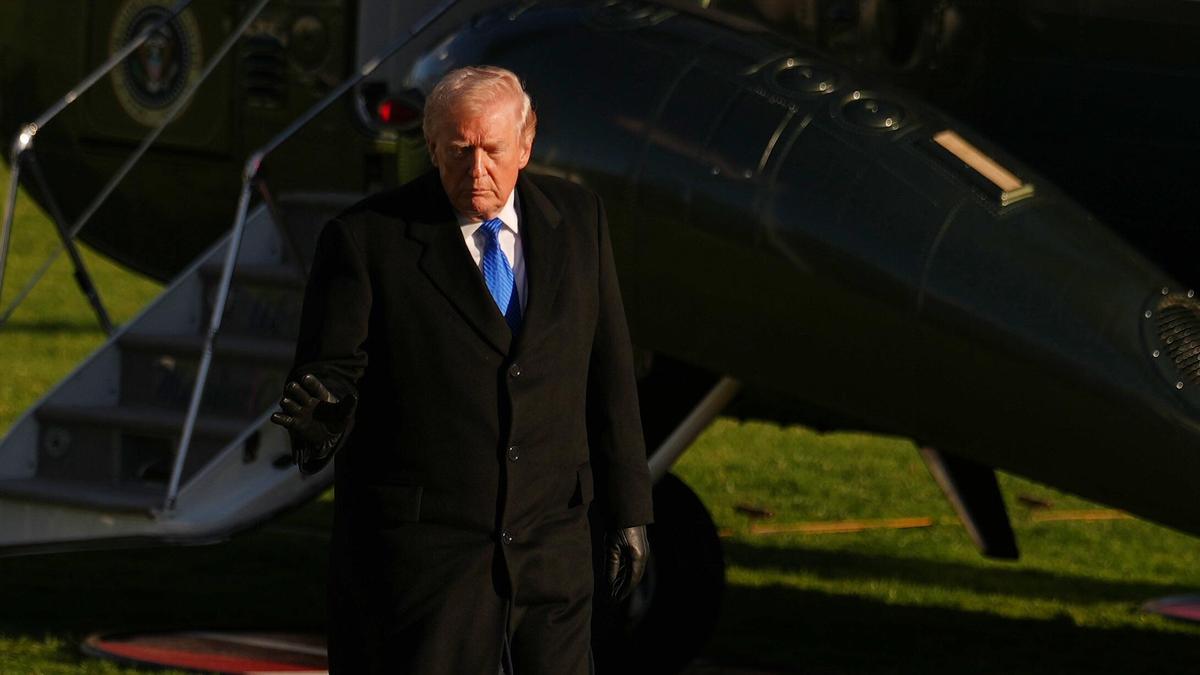
Donald Trump claims the United States and Iran are locked in productive, high-level negotiations to end a month of brutal regional warfare. He speaks of a "very significant prize" involving the Strait of Hormuz and hints that the Islamic Republic is on the verge of total capitulation. But in Tehran, the military command isn't just denying the talks; they are laughing at them.
The disconnect is not merely a diplomatic disagreement. It is a fundamental collapse of reality between two warring states. While the White House describes a "15-point plan" and "meaningful progress," the Iranian military’s Khatam Al-Anbiya Central Headquarters just released a video that paints a far darker picture. Lt. Col. Ebrahim Zolfaghari, speaking for the joint command of the regular army and the Revolutionary Guard, asked a single, biting question on state television: "Have your internal conflicts reached the point where you are negotiating with yourselves?" For a closer look into this area, we suggest: this related article.
The Ghost of the 15-Point Plan
Washington’s strategy appears to be built on a gamble that economic and military exhaustion will force Tehran’s hand. The 15-point proposal, reportedly shuttled through Pakistani intermediaries, demands a total cessation of uranium enrichment, the abandonment of regional proxies like Hezbollah, and the reopening of the Strait of Hormuz. In exchange, the U.S. offers to lift the very sanctions that have crippled the Iranian grid, leading to the daily rolling blackouts that currently plague every major Iranian city.
On paper, the deal looks like a logical exit for a regime under fire. Since the conflict escalated in late February, U.S. Central Command reports flying over 9,000 combat sorties, claiming to have neutralized much of Iran’s conventional navy and air force. Trump has used this perceived leverage to issue a series of "bombing pauses," including a current five-day window where he has threatened to "obliterate" Iranian power plants unless the Strait is cleared of mines. For additional background on this issue, in-depth analysis can also be found on BBC News.
However, the "prize" Trump speaks of—a shared or internationalized control of the Strait of Hormuz—is a non-starter for the Iranian security establishment. To the IRGC, the Strait is not a bargaining chip; it is their only remaining lung.
Command Collapse and the Rise of the Hardliners
One reason the U.S. might be misreading the room is the recent, violent shift in Iran’s internal power structure. Last week, an Israeli strike killed Ali Larijani, a veteran politician who often served as a pragmatic bridge for backchannel diplomacy. His replacement as head of the Supreme National Security Council is Mohammad Baqer Zolghadr, a former IRGC commander with zero interest in Western overtures.
Zolghadr’s ascent signals that the "diplomatic track" in Tehran has been effectively shuttered. While the Foreign Ministry occasionally acknowledges receiving "points" through Pakistan or Turkey, they are quick to frame these as U.S. requests for mercy rather than bilateral negotiations. This is the "maximum resistance" doctrine in its purest form. By striking Tel Aviv with a massive missile barrage immediately after Trump’s recent claims of progress, Iran sent a message that no envoy could: we are not talking; we are reloading.
The Strategy of Deceptive Desperation
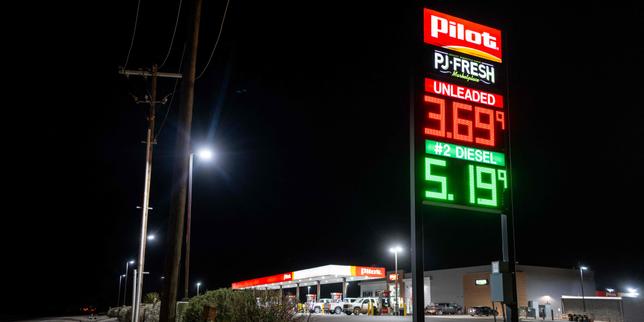
There is a distinct possibility that both sides are performing for an audience of one. Trump needs a "win" to justify a conflict that is currently costing the global economy eleven million barrels of oil per day—a supply shock worse than the 1970s. By announcing that a deal is imminent, he stabilizes fluctuating energy markets and buys time for the deployment of 5,000 more Marines to the region.
Iran, conversely, uses the denial of talks to maintain domestic order. Admitting to negotiations while their infrastructure is being systematically dismantled would look like surrender. Instead, they frame the U.S. offers as a "retreat" born of American fear. Zolfaghari’s mockery serves a specific purpose: it tells the Iranian public that the Great Satan is hallucinating, not dominating.
The Reality of the "Five Day" Clock
As the five-day pause nears its end this Friday, the stakes move beyond rhetoric. The U.S. has signaled it is ready to target Iran’s energy heartland. Iran has countered by threatening to "irreversibly destroy" Middle Eastern desalination plants and water systems if their power grid is touched.
This is not the language of two parties nearing a grand bargain. It is the language of a "zero-sum" escalation where the only thing being negotiated is the scale of the next catastrophe. Trump’s "prize" might be nothing more than a mirage in the desert, while the Iranian military remains committed to a scorched-earth defense that cares little for the 15 points on a piece of paper from Islamabad.
The gap between Trump’s optimism and the IRGC’s vitriol suggests that if any talks are happening, they are occurring in a vacuum. You cannot reach an agreement when one side believes it is winning a war that the other side refuses to admit is even a conversation.
Would you like me to analyze the specific economic impact of the Strait of Hormuz blockade on the 2026 global energy market?