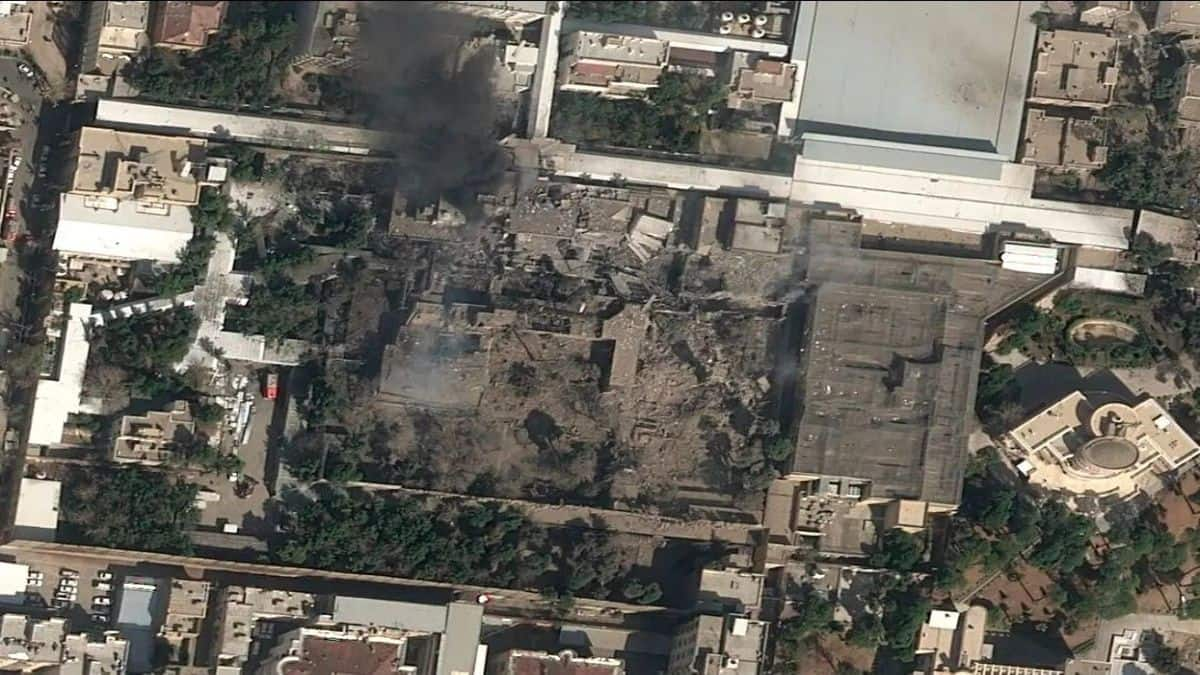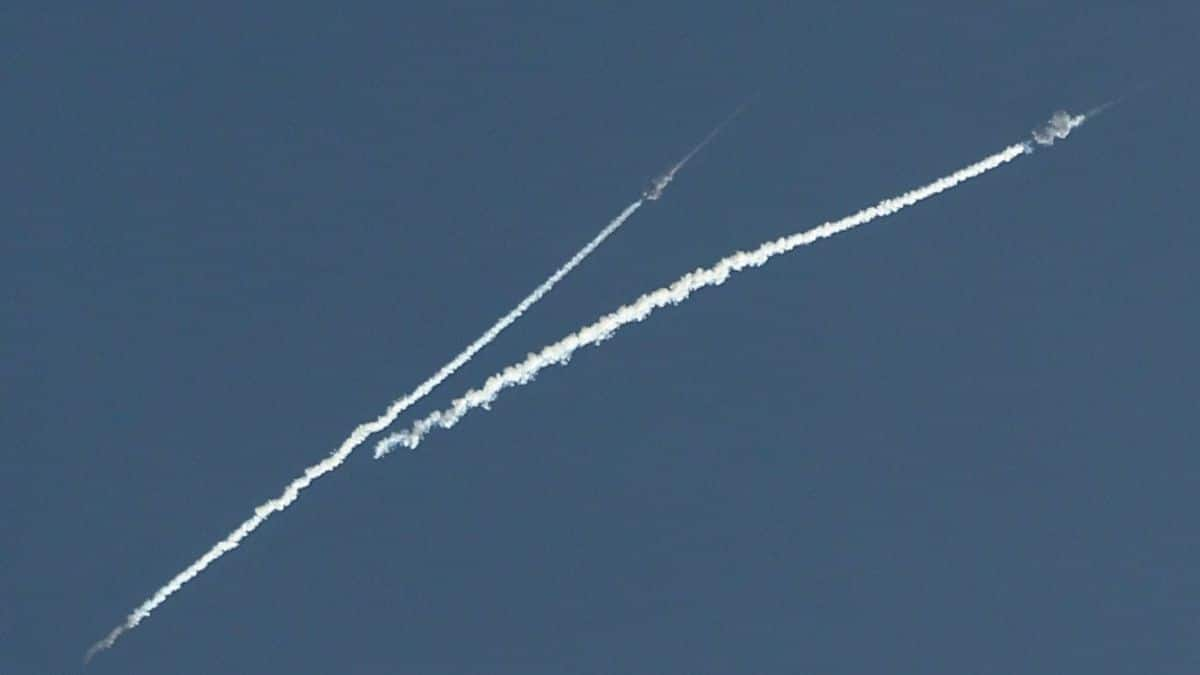
The Middle East is currently a powder keg with a very short fuse. Following the joint US-Israeli strikes on Iran—dubbed "Operation Lion's Roar" by some and "Operation Epic Fury" by others—the region has shifted from a shadow war into a direct, high-stakes confrontation. For India, this isn't just another distant conflict. It's a strategic nightmare landing right on New Delhi’s doorstep.
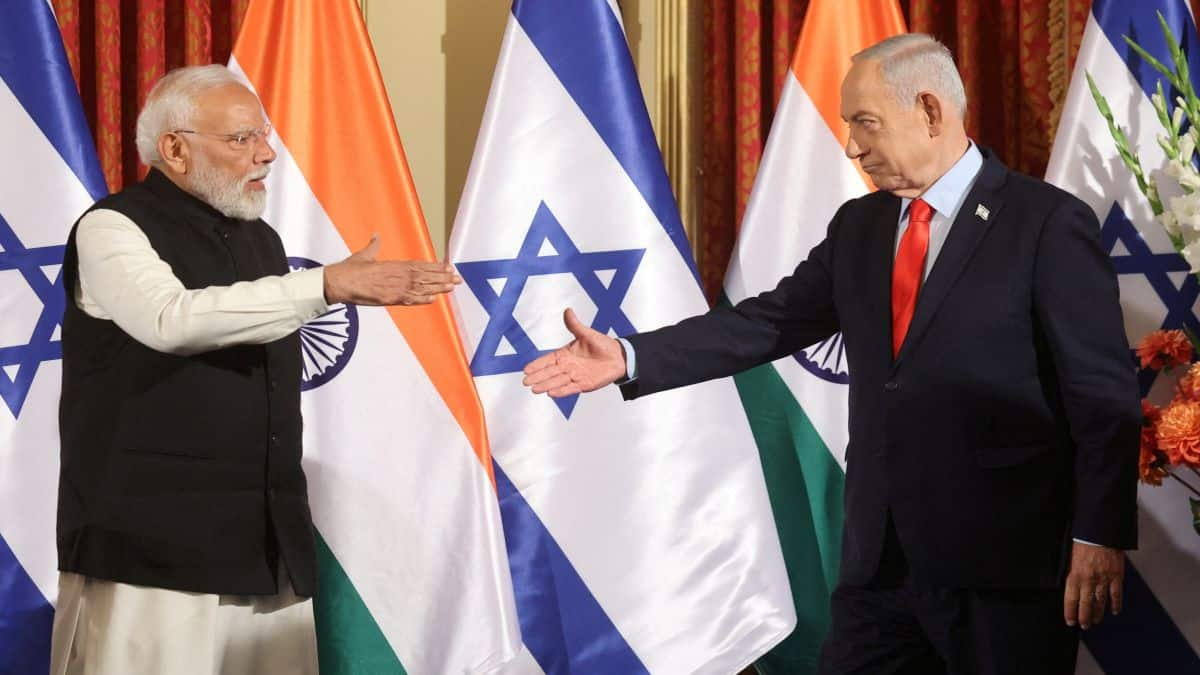
India’s official response came fast: "deep concern," a call for "restraint," and a reminder that "sovereignty and territorial integrity" must be respected. If that sounds like diplomatic boilerplate, you’re missing the subtext. New Delhi is walking a razor-thin tightrope between a critical defense partner in Israel, a superpower ally in the US, and a traditional energy and connectivity partner in Iran.
Why the Middle East is India’s Sixth Neighbor
You might think of the Gulf as far away, but for the Indian economy, it’s practically a domestic issue. About 9 million Indians live and work in the region. They aren't just names on a spreadsheet—they send back billions in remittances and form the backbone of several Gulf economies. When a drone hits a terminal in the UAE or a missile strikes a base in Qatar, the safety of these millions becomes India's top priority.
That's why External Affairs Minister S. Jaishankar didn't just issue a statement. He was on the phone within hours. He spoke to Israeli Foreign Minister Gideon Sa'ar and then to Iran's Seyed Abbas Araghchi. It was a clear signal: India isn't taking a side. It’s taking the side of stability.
The $70-and-Rising Problem
The most immediate blow isn't political; it's the price at the pump. Brent crude prices jumped toward $73 per barrel immediately after the strikes on Tehran. If this turns into a prolonged war, we’re looking at $100 or even $120.
India imports over 80% of its oil. For every dollar the price of oil goes up, the Indian trade deficit widens and inflation gets harder to manage. The Reserve Bank of India (RBI) has been trying to bring inflation down, and a massive spike in global energy costs could ruin those plans. This isn't just about global politics—it's about the cost of a bus ride in Mumbai or a cooking gas cylinder in Delhi.
The Strait of Hormuz is the New Chokepoint
If you want to understand India’s real fear, look at the Strait of Hormuz. It's a tiny strip of water that nearly 20 million barrels of oil pass through every single day. Roughly 2.5 million of those barrels are headed for Indian ports.
Iran has long used the threat of closing this strait as a bargaining chip. If they actually do it—or even just disrupt traffic with mines or drones—global energy markets will go into a tailspin. Unlike crude oil, India doesn't have massive strategic reserves for Liquefied Petroleum Gas (LPG). We import nearly 80-85% of our LPG, and most of that comes through Hormuz. A disruption there means a potential shortage of cooking fuel for millions of Indian households.
Diplomatic Autonomy Under Pressure
India’s strategy has always been "strategic autonomy." It’s the same playbook we saw with the Russia-Ukraine war. Don't publicly condemn one side, keep talking to everyone, and focus on national interest.
But this time, the US is directly involved. President Trump’s administration has taken a much more aggressive stance, openly calling for regime change in Tehran. This puts India in a tough spot. We have a deep interest in the Chabahar Port in Iran, which is our gateway to Central Asia and a counter to China’s influence in Pakistan. If Iran’s government collapses or the country descends into chaos, that multi-billion dollar strategic asset becomes a liability.
What it Means for the Indian IT Sector
Most people think of the Middle East as just oil and gas. They're wrong. The Gulf is a massive and growing market for Indian IT services. Giants like TCS, Infosys, and Wipro have significant operations in the UAE, Kuwait, and Bahrain.
The conflict is already threatening to slow down tech spending. If European and American growth takes a hit because of high oil prices, they'll cut their discretionary tech budgets. Some analysts are already predicting that Indian IT services growth could slow down to 2-3% for the next fiscal year. That’s a serious blow to an industry already grappling with the disruptions of AI.
Navigating the Chaos
New Delhi’s current focus is purely on damage control. The Ministry of External Affairs (MEA) has set up 24x7 helplines and issued advisories for Indians in the region to stay vigilant. Air India and IndiGo have already suspended several flights, and some westbound routes are being diverted around the conflict zone, adding hours to travel times and increasing freight costs.
India isn't trying to be a mediator—at least not yet. The goal is to ensure that the "Axis of Resistance" and the Israel-US alliance don't accidentally (or intentionally) blow up the global economy.
If you're an investor or just someone watching the news, keep an eye on the official statements from the MEA. They’re rarely loud, but they’re incredibly precise. When India talks about "sovereignty and territorial integrity," it’s telling the West that unilateral strikes aren't the answer. When it talks about "safety of civilians," it’s warning Iran and its proxies that targeting cities and commercial ships is a red line.
Don't expect India to jump into the fray or pick a side anytime soon. The long game is about protecting energy supplies, ensuring the safety of the diaspora, and keeping the trade routes open. Everything else is secondary.
If you have family or business interests in the Middle East, now’s the time to double-check those emergency contacts and keep a very close eye on the Indian Embassy's social media feeds for the latest travel advisories.