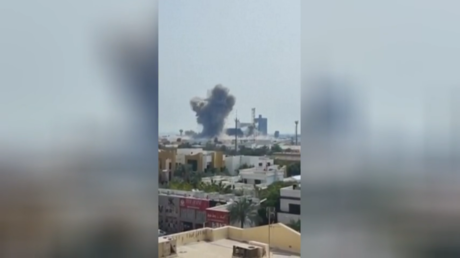
The sirens started screaming across the Middle East this weekend, and they haven't stopped. If you've been watching the headlines, you know the situation between the United States, Israel, and Iran just went from a slow burn to a regional inferno. This isn't just another exchange of threats or a proxy skirmish in a third country. This is direct, high-stakes kinetic warfare involving ballistic missiles, stealth bombers, and a map of the Persian Gulf that looks more like a target range every hour.
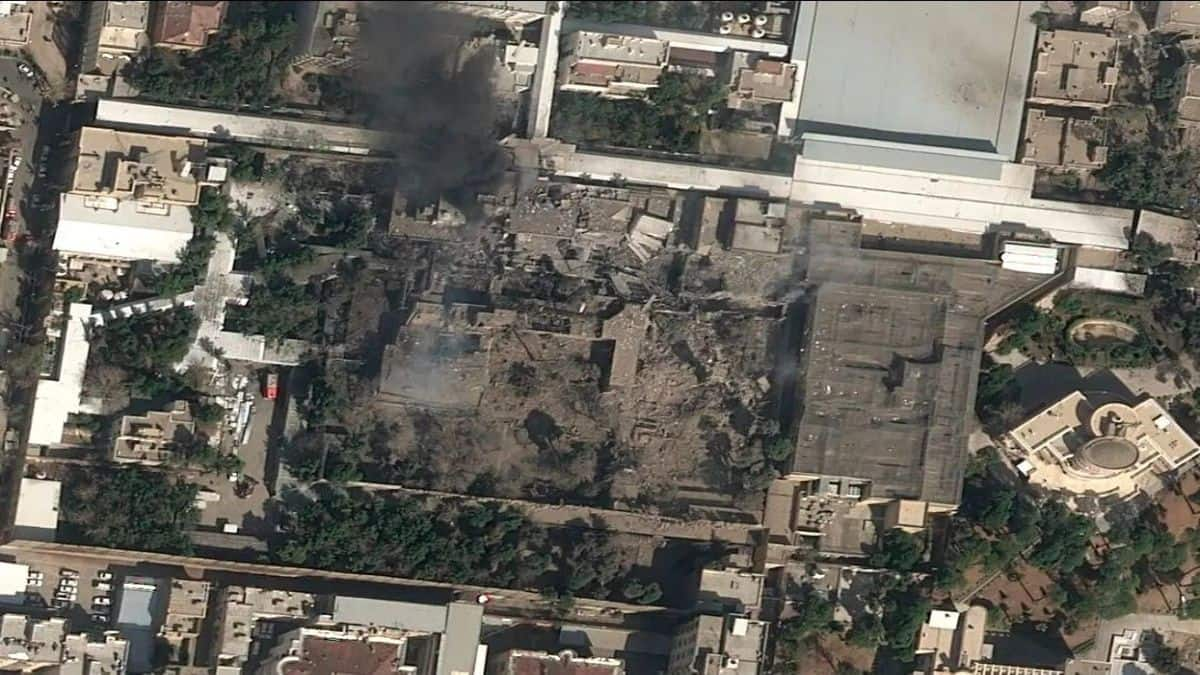
On February 28, 2026, the US and Israel launched Operation Epic Fury (known in Israel as Roaring Lion). This wasn't a warning shot. It was a massive, coordinated campaign targeting Iran's nuclear infrastructure, its military command centers, and even the leadership compound in Tehran.
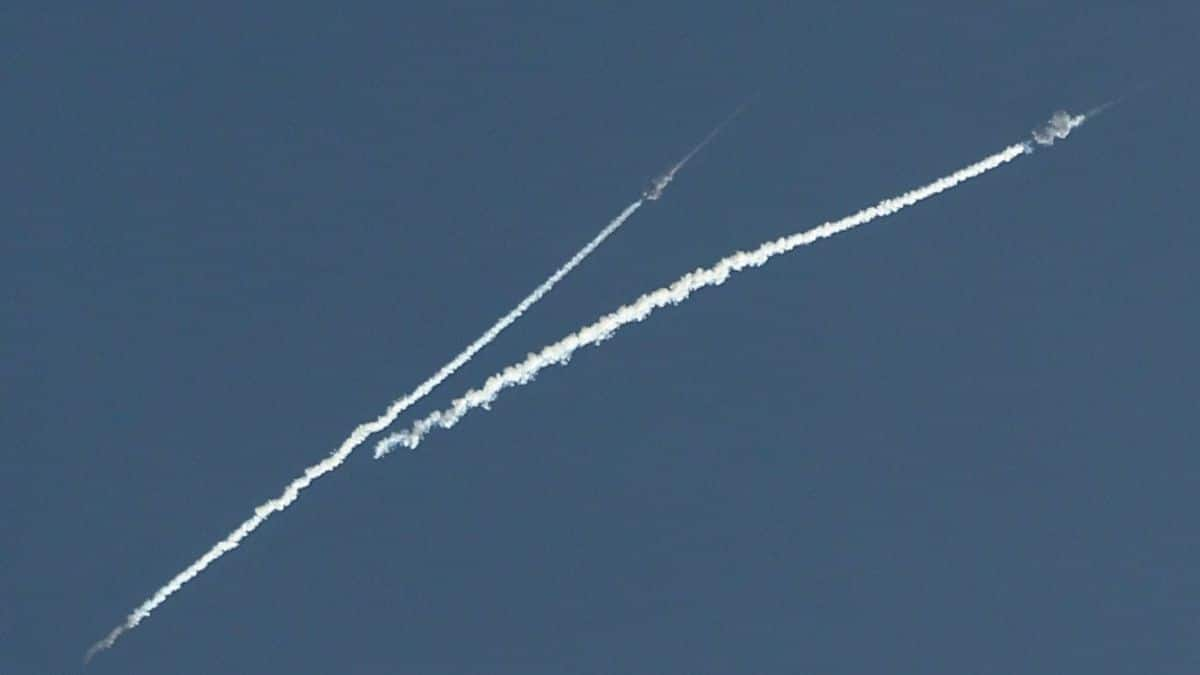
Iran didn't wait to see the dust settle. Within hours, the Islamic Revolutionary Guard Corps (IRGC) launched its own massive retaliatory strikes. They aren't just aiming at Israel; they're hitting US bases and allied facilities in Kuwait, Bahrain, Qatar, Iraq, and the UAE.
The targets of the Iranian retaliation
Iran’s response has been fast and surprisingly broad. They're trying to prove that if their sovereignty is violated, no US asset in the region is safe. It's a "hostage of fortune" strategy—turning every American base into a liability.
- Al-Asad Airbase, Iraq: Smoke and explosions were reported here almost immediately. This base has a history; it was the site of the massive 2020 missile attack, and it’s once again a primary target for Iranian ballistic missiles.
- Ali Al Salem Airbase, Kuwait: Reports indicate damage to the runways here, with several Kuwaiti servicemen injured. This is a critical logistics hub for US and Western forces.
- Al Udeid Air Base, Qatar: As the largest US military installation in the Middle East, a strike here is a massive escalation.
- Muwaffaq Al-Salti Air Base, Jordan: Even though Jordan tried to stay out of the crossfire, several missiles have reportedly struck this facility, though Jordanian air defenses intercepted at least two.
- Civilian Infrastructure: This is where it gets even more dangerous. Reports have surfaced of drone and missile strikes on international airports in Abu Dhabi and Kuwait City.
Iran also announced the closure of the Strait of Hormuz. If you’re wondering why your gas prices might spike tomorrow, that’s your answer. About a fifth of the world’s oil passes through that narrow waterway.
Why this time is different
I've seen plenty of "brink of war" moments over the last decade, but 2026 feels fundamentally different. In previous years, both sides usually looked for an "off-ramp"—a way to hit back enough to save face without starting a world war.
This time, the US and Israel went for the head of the snake. Reports suggest that the initial strikes targeted the compound of Supreme Leader Ali Khamenei. When you go after the top leadership, you aren't looking for a "proportional response." You're looking for regime change or total neutralization.
President Trump's message was blunt: "When we are finished, take over your government. It will be yours to take." That's not the language of de-escalation. It’s an invitation to revolution, backed by B-2 bombers.
The human cost you don't see on the news
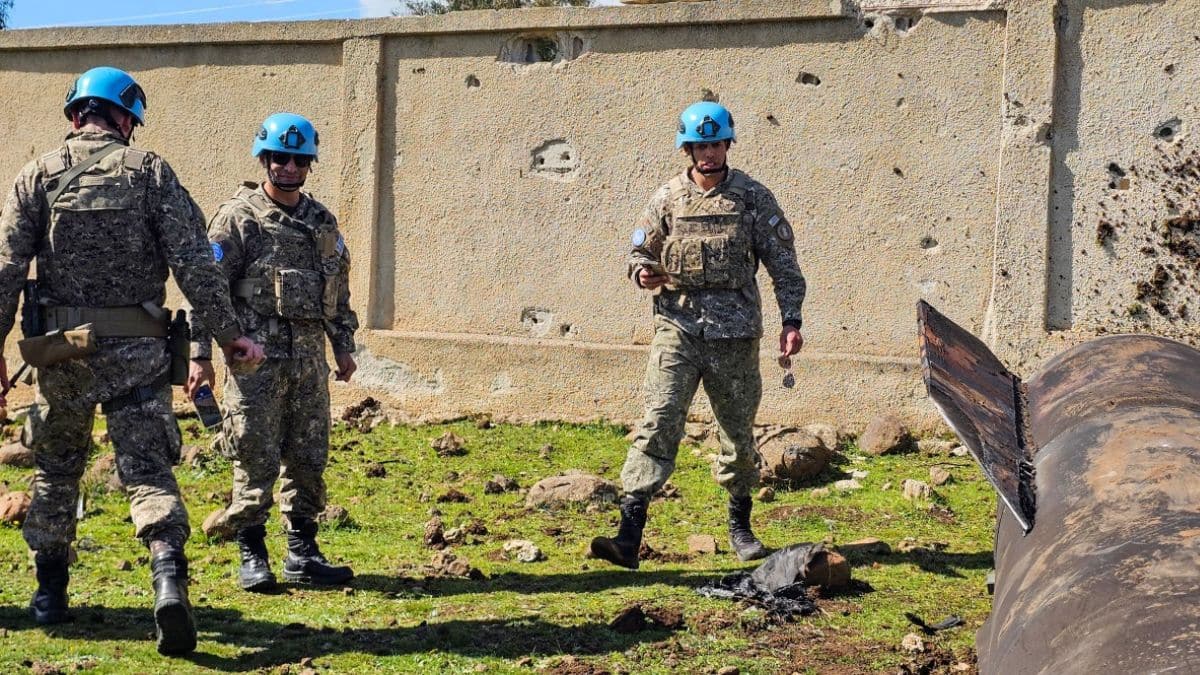
We talk about "strikes" and "assets," but the reality on the ground is terrifying. In the 2020 strikes on Al-Asad, over 100 US service members suffered traumatic brain injuries (TBI) from the sheer force of the blast waves. Those weren't just "concussions." They were life-altering neurological injuries.
With the current volume of fire—Iran claims to have hit 27 US bases—the casualty count could be much higher. And it’s not just the soldiers. Civilian airports in the Gulf are packed with travelers. A single "miss" or a piece of shrapnel from an interceptor hitting a terminal can turn a regional conflict into a global tragedy.
What happens next
Don't expect this to blow over by the weekend. Here’s what you should actually be watching:
1. The Cyber Front
Iran knows it can't win a conventional dogfight against US stealth jets. But they are world-class at cyber warfare. Expect "wiper" malware to hit US financial institutions or power grids. This is their way of bringing the war to your doorstep without firing a single bullet on US soil.
2. The Proxy Network
The "Axis of Resistance" is waking up. The Houthis in Yemen have already announced they’ll resume attacks on shipping in the Red Sea. Hezbollah in Lebanon and various militias in Iraq will likely increase their pressure, forcing the US to fight a war on five different fronts at once.
3. The Oil Shock
OPEC is meeting today. If the Strait of Hormuz stays closed, we aren't just talking about a few cents at the pump. We're talking about a global supply chain crisis that could make the 2022 energy spike look like a minor hiccup.
Practical steps for the next 48 hours
If you have family in the region or business interests tied to Middle Eastern logistics, stop waiting for the 6 o'clock news.
- Secure Communications: If you're in the Gulf, expect internet blackouts. Iran has used them before to mask internal crackouts, and the US may use electronic warfare to jam communications. Have a satellite or offline backup plan.
- Watch the Airspace: If you have travel plans through Doha, Dubai, or Istanbul, check for rerouting. Many airlines are already avoiding the Persian Gulf entirely, which means longer flights and massive delays.
- Harden Digital Defenses: If you run a business, ensure your backups are offline. Iranian-affiliated actors often use these moments of kinetic "distraction" to launch massive DDoS and ransomware attacks.
The bottom line is that the "rules" of the Middle East have been tossed out the window. We're in uncharted territory. The strikes on US bases are a signal that Iran is willing to risk everything to survive. Whether the US and Israel have the stomach—or the resources—for a protracted war in 2026 is the question that will define the rest of this year.
Check your local travel advisories and keep an eye on the Brent Crude tickers. The next few days will determine if this stays a regional clash or becomes something much bigger.