Social media is currently melting down over a theory that sounds like a political thriller. The claim is simple: Israel and the United States intentionally waited for Prime Minister Narendra Modi to leave Jerusalem before launching their massive strikes on Iran. This "48-hour pause" theory suggests that the Indian leader’s presence acted as a physical shield for Tehran, delaying a war that was already signed, sealed, and ready to deliver.
Is it true? Did New Delhi actually manage to hold back the dogs of war for two days? In related news, we also covered: The Sabotage of the Sultans.
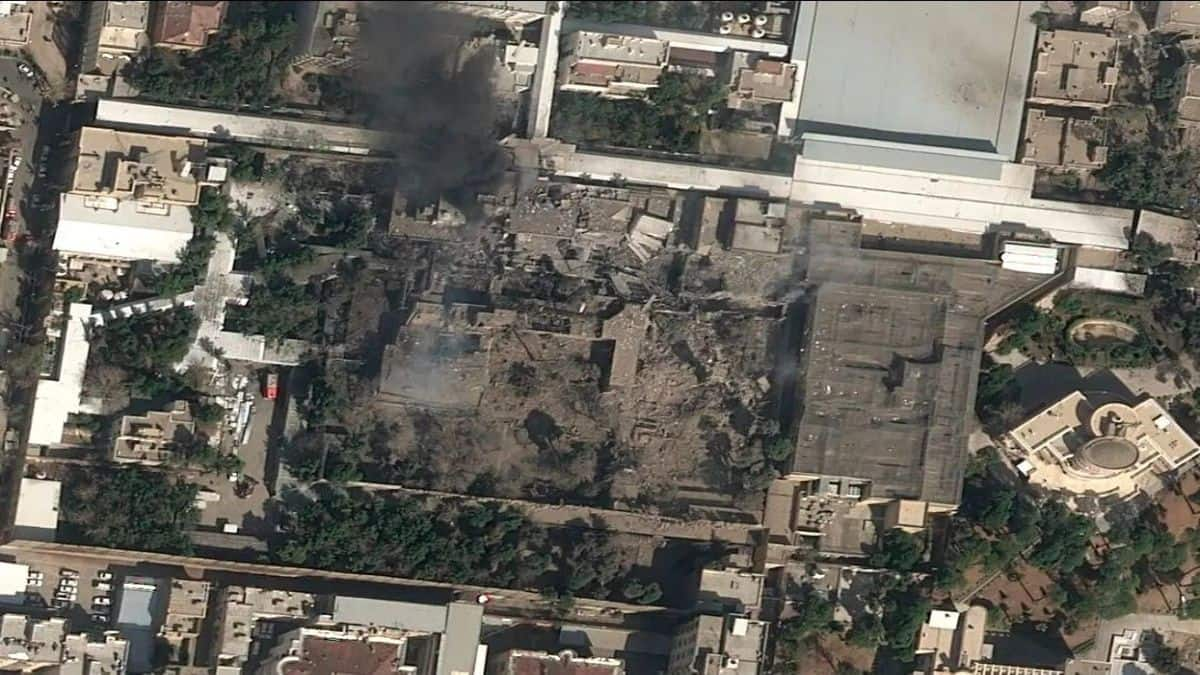
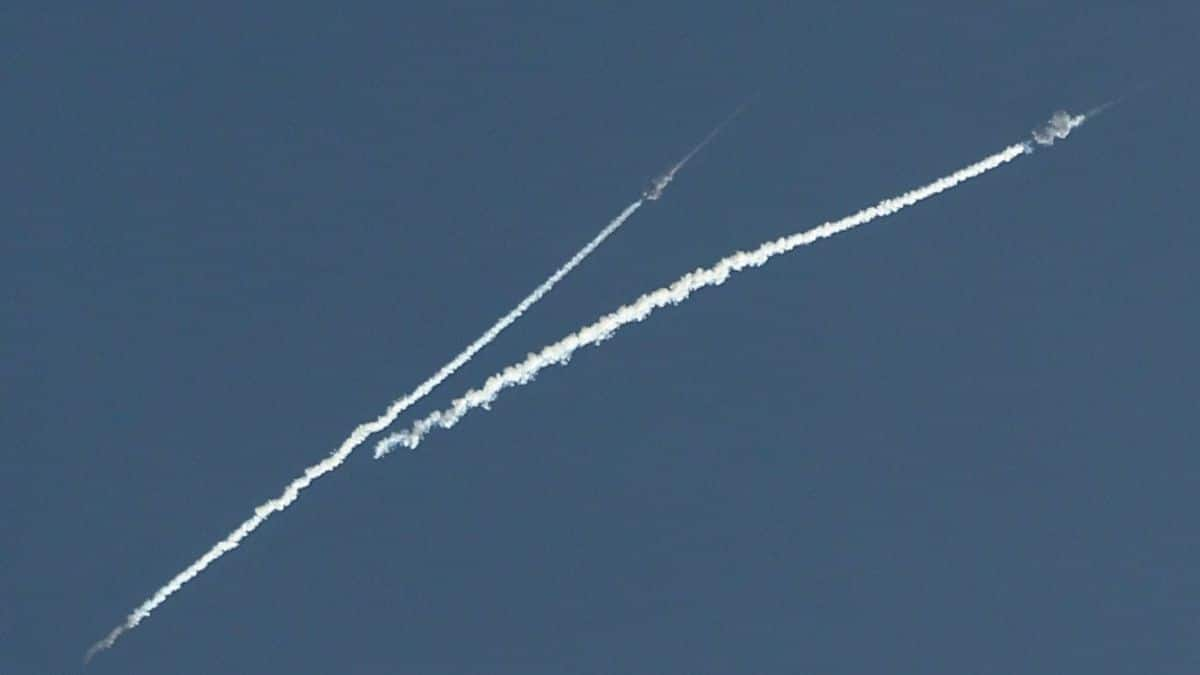
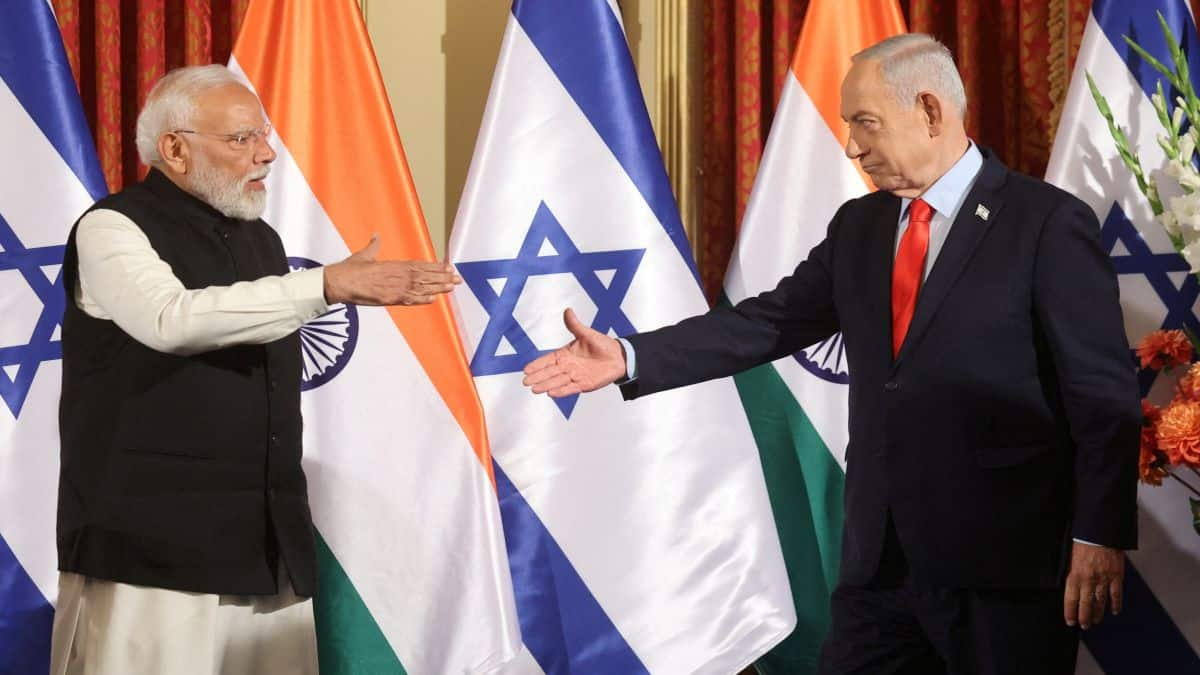
The timing is undeniably suspicious. PM Modi wrapped up his high-profile visit to Israel on February 26, 2026. Exactly two days later, on February 28, the sky over Tehran turned orange. Coincidence? Maybe. But in the world of high-stakes diplomacy, "coincidence" is a word used by people who aren't paying attention.
Why the Strike Pause Theory Actually Makes Sense
The logic behind the viral "48-hour rule" is rooted in cold, hard logistics. No nation — especially not a strategic partner like Israel — would launch a major military offensive against a regional power while the leader of the world’s most populous country is sitting in the target’s line of fire. USA Today has provided coverage on this critical subject in extensive detail.
Think about it. If the US and Israel had launched those strikes on February 25 or 26, the potential for Iranian retaliation would’ve put PM Modi and his entire delegation at risk. You don't invite your best friend over for dinner and then pick a fight with a guy who’s known for throwing bricks at your house.
- Diplomatic Liability: Hitting Iran while Modi was in Jerusalem would've been a nightmare for Israeli diplomacy. India is one of Israel's largest defense partners. If an Iranian missile had strayed toward Jerusalem while Modi was addressing the Knesset, it would've been a catastrophic failure for Netanyahu.
- The "Knesset Shield": Modi’s speech at the Knesset was historic. He spoke about standing "firmly with full conviction" against terror. Attacking Iran during that moment would've distracted from the optics of the visit and probably forced Modi into a public condemnation he didn't want to make.
- Logistical Buffer: Military operations like this, especially joint ones involving the US, need clear airspace and predictable movement. Having a high-profile state visit in the same theater adds layers of complexity that generals hate.
The Opposition’s Fury and the "Moral Cowardice" Label
Back home, the political reaction has been anything but quiet. The Congress party, led by communications chief Jairam Ramesh, hasn't held back. They're calling the timing of the visit "moral cowardice."
The accusation is that Modi knew exactly what was coming. While the PM was shaking hands and embracing Benjamin Netanyahu, the Indian Embassy in Tehran was busy issuing "urgent advisories" telling the 10,000+ Indians in Iran to leave immediately.
If the government didn't know a strike was imminent, why the rush to evacuate?
The optics are tricky. On one hand, you have the PM declaring unconditional support for Israel. On the other, you have a country (Iran) that India relies on for its Chabahar Port project and energy security. By visiting Jerusalem just hours before the strikes, critics argue that India has essentially signaled its blessing for the operation, potentially burning bridges with Tehran that took decades to build.
Was New Delhi Tipped Off?
You'd have to be naive to think India was completely in the dark. The intelligence sharing between Israel and India is deep. You don't send your Prime Minister into a tinderbox without knowing when the match is going to be lit.
However, "being informed" and "controlling the timeline" are two different things. Defense insiders are quick to point out that operations of this scale, involving US naval deployments and carrier groups, are planned months in advance. The idea that Netanyahu and the Pentagon shifted their entire war calendar just to accommodate a two-day visit from New Delhi is a bit of a stretch.
What’s more likely is that the window for the strike was already identified, and the visit was squeezed in just before it. Or, perhaps more strategically, the visit served as a final "high-level consultation" before the regional status quo was shattered.
The Economic and Human Cost of the Conflict
While social media debates the 48-hour pause, the reality on the ground is getting ugly. India has a lot to lose here.
- The Energy Crisis: Over 80% of India’s oil comes from the Middle East. Any disruption in the Strait of Hormuz sends prices through the roof.
- The Diaspora: There are millions of Indians living in the Gulf. If this escalates into a full-scale regional war, "Operation Sindhu" (the current evacuation effort) will look like a practice run.
- Trade Routes: With the Red Sea already a mess, shipping costs are spiking. Taking the long way around the Cape of Good Hope isn't just a detour; it’s an economic tax on every Indian consumer.
What You Should Watch For Next
The "pause" is over. The missiles have landed. Now, the real diplomatic work starts. India is currently trying to play the role of the "bridge" — maintaining ties with Israel for defense and technology while keeping the door open to Iran for strategic access to Central Asia.
It’s a balancing act that’s becoming nearly impossible.
If you're looking for the next sign of where this is going, don't look at the public speeches. Look at the flight trackers. Watch the movement of Indian commercial vessels and the frequency of "back-channel" meetings in New Delhi. The 48-hour window gave the world a brief moment of calm, but the storm that followed is going to take a lot longer than two days to clear.
Keep an eye on the official MEA statements regarding the Chabahar Port. If India starts pulling back on its investments there, it's a sign that the relationship with Iran has been permanently damaged by the optics of this week's Jerusalem visit.